ID · adt-dump-truck-operator-guide-c124b951
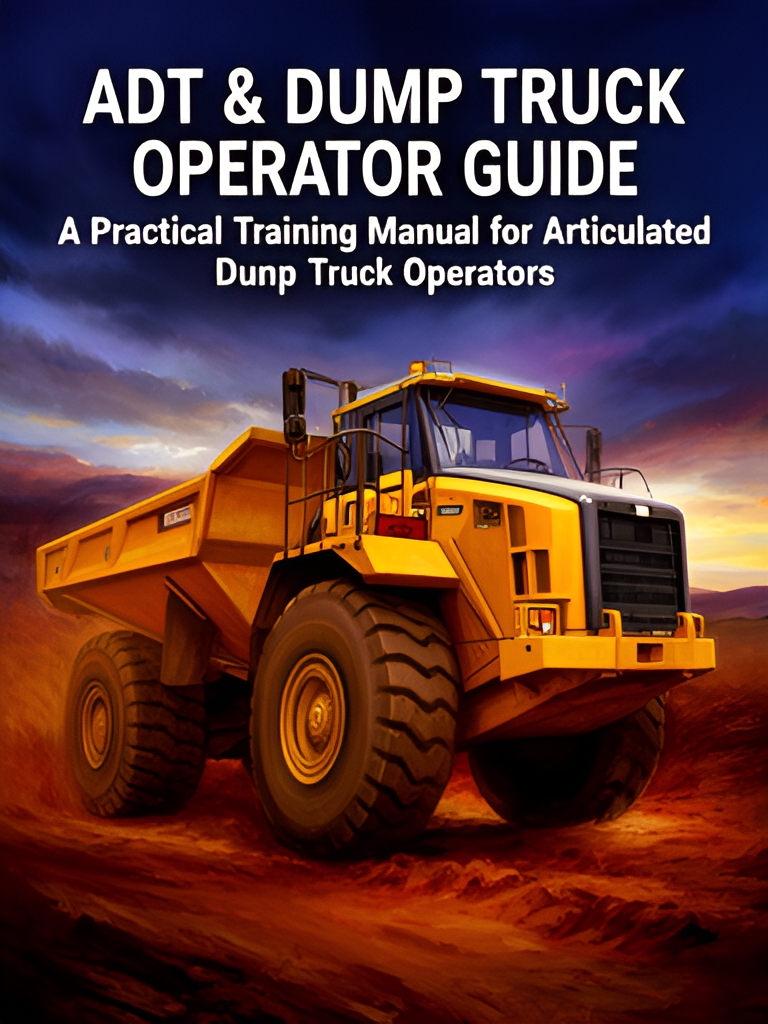
ADT & Dump Truck Operator Guide
By Jr Chilekwa · Education · Professional · 31 pages
Table of contents
- 1. Introduction to ADT Operations
This chapter introduces the basics of ADT operations, including machine components and safety protocols. The Articulated Dump Truck (ADT) is a complex machine with key components including the engine, transmission, axles, hydraulic system, dump body, and articulated joint. The machine also features safety components such as backup alarms, visibility enhancements, and safety interlocks. The Articulated Dump Truck (ADT) requires careful operation to ensure safety, and operators must be familiar with its safety features and protocols, including a pre-operation checklist and operating safety protocols. The Articulated Dump Truck (ADT) requires careful operation to ensure safety, and operators must be familiar with its safety features and protocols, including safety interlocks, backup alarms, and visibility enhancements, to prevent accidents and ensure a safe working environment. The Articulated Dump Truck (ADT) is a complex machine with several key components that work together to enable safe and efficient operation. The machine has various safety features, including backup alarms, visibility enhancements, safety interlocks, and a seatbelt. Operators should follow established best practices, such as wearing a seatbelt, keeping a safe distance from others, avoiding blind spots, and following traffic patterns and speed limits. The Articulated Dump Truck (ADT) is a complex machine with several key components that work together to enable safe and efficient operation. The machine has various safety features, including backup alarms, visibility enhancements, safety interlocks, and a seatbelt. Operators should follow established best practices, such as wearing a seatbelt, keeping a safe distance from other workers and equipment, and following traffic patterns and speed limits. The scene describes the pre-operational checks for an Articulated Dump Truck (ADT), emphasizing the importance of safety and maintenance. It outlines the key components to check, troubleshooting procedur
- 2. Machine Control and Operation
This chapter delves into the specifics of machine control and operation. The Articulated Dump Truck (ADT) requires careful operation, and gear selection is crucial for safety and efficiency. Operators must be familiar with different gear options and use them correctly. Best practices include using the correct gear, avoiding sudden changes, and monitoring speed. Troubleshooting steps are provided for common gear selection issues. The Articulated Dump Truck (ADT) requires careful operation, particularly in speed control, to ensure safety and efficiency. Speed control affects machine performance, fuel efficiency, and safety. Operators must be familiar with different speed options and their use cases, and follow best practices for speed control, taking into account factors like terrain, weather, and load weight. The Articulated Dump Truck (ADT) requires precise steering to navigate through various terrains and job sites. Steering techniques are crucial for safe and efficient operation, and operators must be familiar with the different steering methods and their applications. The ADT's steering system consists of several key components, including the steering wheel, steering column, and axle. Operators should follow established best practices when it comes to steering, including always using both hands to steer the machine, avoiding sudden turns or sharp movements, and using the steering wheel smoothly and gradually. The Articulated Dump Truck (ADT) requires precise steering to navigate through various terrains and job sites. Steering techniques are crucial for safe and efficient operation, and operators must be familiar with the different steering methods and their applications. The ADT's steering system consists of several key components, including the steering wheel, steering column, and axle. Operators should follow established best practices when it comes to steering, including always using both hands to steer the machine, avoiding sudden turns or sharp movements, a
- 3. Advanced Operations and Career Development
This chapter explores advanced operational techniques and provides guidance on career development for ADT operators. The Articulated Dump Truck (ADT) requires careful operation to ensure safety and efficiency. Advanced operational techniques include optimizing gear selection, speed control, and steering to navigate various terrains and job sites. Operators must understand how the machine's components work together to achieve optimal performance. The section discusses the importance of specialized training programs for Articulated Dump Truck (ADT) operators, covering advanced operational techniques, career development opportunities, and the need to stay up-to-date with industry developments. The section discusses the importance of specialized training programs for Articulated Dump Truck (ADT) operators, covering advanced operational techniques, career development opportunities, and the need to stay up-to-date with industry developments. Certification programs for ADT operators recognize their skills and knowledge, providing a competitive edge in the job market and demonstrating a commitment to safety and efficiency. These programs cover topics such as operational techniques, safety protocols, and maintenance procedures, and can be offered by manufacturers, industry associations, or training institutions. The Articulated Dump Truck (ADT) operators can benefit from various career advancement opportunities, including specialized training programs, certification programs, and ongoing professional development, which can provide a competitive edge, improve career prospects, and increase earning potential.
Chapter 1: Introduction to ADT Operations
This chapter introduces the basics of ADT operations, including machine components and safety protocols. The Articulated Dump Truck (ADT) is a complex machine with key components including the engine, transmission, axles, hydraulic system, dump body, and articulated joint. The machine also features safety components such as backup alarms, visibility enhancements, and safety interlocks. The Articulated Dump Truck (ADT) requires careful operation to ensure safety, and operators must be familiar with its safety features and protocols, including a pre-operation checklist and operating safety protocols. The Articulated Dump Truck (ADT) requires careful operation to ensure safety, and operators must be familiar with its safety features and protocols, including safety interlocks, backup alarms, and visibility enhancements, to prevent accidents and ensure a safe working environment. The Articulated Dump Truck (ADT) is a complex machine with several key components that work together to enable safe and efficient operation. The machine has various safety features, including backup alarms, visibility enhancements, safety interlocks, and a seatbelt. Operators should follow established best practices, such as wearing a seatbelt, keeping a safe distance from others, avoiding blind spots, and following traffic patterns and speed limits. The Articulated Dump Truck (ADT) is a complex machine with several key components that work together to enable safe and efficient operation. The machine has various safety features, including backup alarms, visibility enhancements, safety interlocks, and a seatbelt. Operators should follow established best practices, such as wearing a seatbelt, keeping a safe distance from other workers and equipment, and following traffic patterns and speed limits. The scene describes the pre-operational checks for an Articulated Dump Truck (ADT), emphasizing the importance of safety and maintenance. It outlines the key components to check, troubleshooting procedur
Machine Overview
Machine Components
The Articulated Dump Truck (ADT) is a complex machine consisting of several key components. At the heart of the ADT is the engine, which provides the power needed to operate the machine. The engine is typically a large diesel engine, capable of producing hundreds of horsepower. The transmission system transfers the power from the engine to the axles, which propel the machine forward. The ADT also features a hydraulic system, which powers the dump body and other attachments.
The dump body is a critical component of the ADT, allowing operators to haul and dump large quantities of material. The dump body is typically made of steel and is designed to withstand the rigors of heavy use. The articulated joint connects the dump body to the rest of the machine, allowing for tight turns and maneuverability.
Key Systems
The following table summarizes the key systems found on an ADT:
| System | Description |
|---|---|
| Engine | Provides power to the machine |
| Transmission | Transfers power from the engine to the axles |
| Hydraulic | Powers the dump body and other attachments |
| Axles | Propels the machine forward |
| Articulated Joint | Connects the dump body to the rest of the machine |
As one experienced operator noted, "the key to successful ADT operation is understanding how these systems work together." By familiarizing themselves with the machine's components and systems, operators can better utilize the ADT's capabilities and ensure safe operation.
Safety Features
In addition to its machine components, the ADT is also equipped with several safety features. These features include backup alarms, which alert nearby workers to the machine's presence, and visibility enhancements, such as mirrors and cameras, which improve the operator's field of view. The ADT also features safety interlocks, which prevent the machine from operating if certain safety conditions are not met.
Illustration
A detailed illustration of an ADT's machine components, including the engine, transmission, and hydraulic system
By understanding the machine's components and safety features, operators can develop a deeper appreciation for the complexity and capability of the ADT. This knowledge is essential for safe and effective operation, and will be built upon in subsequent chapters.
Safety Protocols
Safety Protocols
The Articulated Dump Truck (ADT) is a powerful machine that requires careful operation to ensure safety. As one experienced operator noted, "safety is everyone's responsibility, and it starts with understanding the machine's safety protocols." To operate an ADT safely, operators must be familiar with the machine's safety features and protocols. The ADT's safety interlocks, backup alarms, and visibility enhancements all play a critical role in preventing accidents and ensuring a safe working environment.
Pre-Operation Checklist
Before operating an ADT, operators should perform a pre-operation checklist to ensure the machine is safe to use. This checklist includes:
- Checking the backup alarms to ensure they are functioning properly
- Verifying the visibility enhancements, such as mirrors and cameras, are clean and functioning correctly
- Testing the safety interlocks to ensure they are working as intended
- Checking the dump body and articulated joint for any signs of damage or wear
The following table summarizes the pre-operation checklist:
| Item | Description |
|---|---|
| Backup Alarms | Check for proper function |
| Visibility Enhancements | Verify cleanliness and function |
| Safety Interlocks | Test for proper operation |
| Dump Body | Check for signs of damage or wear |
| Articulated Joint | Check for signs of damage or wear |
By following this checklist, operators can help ensure the ADT is safe to operate and reduce the risk of accidents. As one experienced operator explained, "a thorough pre-operation checklist is essential for identifying potential safety hazards and preventing accidents."
Operating Safety Protocols
In addition to the pre-operation checklist, operators must also follow safety protocols while operating the ADT. This includes:
- Always wearing a seatbelt while operating the machine
- Keeping a safe distance from other workers and equipment
- Avoiding blind spots and using visibility enhancements to improve field of view
- Following established traffic patterns and speed limits
As one experienced operator noted, "it's not just about following the rules, it's about developing a safety mindset." By prioritizing safety and following established protocols, operators can help prevent accidents and ensure a safe working environment. The ADT's hydraulic system and axles also require careful operation to prevent accidents and ensure safe material handling.
The following table highlights the key safety protocols for ADT operation:
| Protocol | Description |
|---|---|
| Seatbelt Use | Always wear a seatbelt while operating the machine |
| Safe Distance | Keep a safe distance from other workers and equipment |
| Blind Spot Awareness | Avoid blind spots and use visibility enhancements to improve field of view |
| Traffic Patterns | Follow established traffic patterns and speed limits |
Illustration
A detailed illustration of an ADT operator performing a pre-operation checklist, highlighting the safety features and protocols
By understanding and following these safety protocols, operators can help ensure a safe working environment and prevent accidents. The ADT's safety features and protocols are designed to work together to prevent accidents and ensure safe operation. As one experienced operator explained, "safe operation is a team effort, and it requires careful attention to detail and a commitment to safety."
Operational Basics
Machine Components
The Articulated Dump Truck (ADT) is a complex machine with several key components that work together to enable safe and efficient operation. The engine provides the power needed to operate the machine, while the transmission helps to transmit that power to the axles. The hydraulic system is used to operate the dump body and other components, such as the articulated joint. Understanding how these components work together is essential for safe and effective operation. As one experienced operator explained, "the engine is the heart of the machine, and it needs to be properly maintained to ensure optimal performance."
Component Interactions
The following table summarizes the key components of the ADT and their interactions:
| Component | Description | Interaction |
|---|---|---|
| Engine | Provides power to the machine | Transmits power to transmission |
| Transmission | Transmits power to axles | Receives power from engine |
| Axles | Transmits power to wheels | Receives power from transmission |
| Hydraulic System | Operates dump body and articulated joint | Receives power from engine |
| Dump Body | Carries and dumps materials | Operated by hydraulic system |
| Articulated Joint | Connects dump body to machine | Operated by hydraulic system |
As one experienced operator noted, "understanding how the components interact is crucial for troubleshooting and maintenance." By understanding how the components work together, operators can help ensure safe and efficient operation. For example, if the hydraulic system is not functioning properly, it can affect the operation of the dump body and articulated joint, leading to accidents or injuries.
Safety Features
In addition to the machine components, the ADT also features several safety components that are designed to prevent accidents and ensure a safe working environment. These include backup alarms, visibility enhancements, and safety interlocks. The seatbelt is also an essential safety feature that helps to protect the operator in the event of an accident. As one experienced operator explained, "the safety features are designed to work together to prevent accidents and ensure a safe working environment."
Safety Feature Overview
The following table provides an overview of the ADT's safety features:
| Safety Feature | Description |
|---|---|
| Backup Alarms | Warns others of machine movement |
| Visibility Enhancements | Improves operator field of view |
| Safety Interlocks | Prevents machine operation if safety protocols are not followed |
| Seatbelt | Protects operator in event of accident |
As one experienced operator noted, "the safety features are only effective if they are used properly." By understanding and using these safety features, operators can help ensure a safe and healthy work environment. For example, the backup alarms can help prevent accidents by warning others of the machine's movement, while the visibility enhancements can help improve the operator's field of view, reducing the risk of accidents.
Operational Best Practices
To ensure safe and efficient operation, operators should follow established best practices for ADT operation. This includes:
- Always wearing a seatbelt while operating the machine
- Keeping a safe distance from other workers and equipment
- Avoiding blind spots and using visibility enhancements to improve field of view
- Following established traffic patterns and speed limits
- Regularly inspecting and maintaining the machine to ensure it is in good working condition
By following these best practices, operators can help ensure a safe and healthy work environment, and prevent accidents. As one experienced operator noted, "safe operation is a team effort, and it requires careful attention to detail and a commitment to safety." The following table highlights the key operational best practices for ADT operation:
| Best Practice | Description |
|---|---|
| Seatbelt Use | Always wear a seatbelt while operating the machine |
| Safe Distance | Keep a safe distance from other workers and equipment |
| Blind Spot Awareness | Avoid blind spots and use visibility enhancements to improve field of view |
| Traffic Patterns | Follow established traffic patterns and speed limits |
| Maintenance | Regularly inspect and maintain the machine to ensure it is in good working condition |
Illustration
A detailed illustration of an ADT's safety features, highlighting the backup alarms, visibility enhancements, safety interlocks, and seatbelt
Career Development
As operators gain experience and develop their skills, they can pursue career advancement opportunities in the industry. This can include becoming a trainer or instructor, or moving into a supervisory or management role. As one experienced operator explained, "career development is an ongoing process, and it requires a commitment to continuous learning and professional growth." By following established best practices and staying up-to-date with the latest industry developments, operators can help ensure a safe and successful career in ADT operation.
Career Pathways
The following table summarizes the key career pathways for ADT operators:
| Career Pathway | Description |
|---|---|
| Trainer/Instructor | Teaches others how to operate the ADT safely and efficiently |
| Supervisor/Manager | Oversees ADT operations and ensures compliance with safety protocols |
| Maintenance Technician | Performs routine maintenance and repairs on the ADT |
| Safety Inspector | Conducts regular safety inspections to ensure compliance with industry standards |
As one experienced operator noted, "there are many career pathways available to ADT operators, and it's up to each individual to pursue their goals and aspirations." By understanding the different career pathways and staying committed to safety and professional growth, operators can help ensure a successful and rewarding career in ADT operation.
Pre-Operational Checks
Pre-Operational Checks
Before operating the ADT, it is essential to perform a series of pre-operational checks to ensure the machine is in good working condition. This includes checking the engine, transmission, axles, hydraulic system, and dump body. As one experienced operator explained, "pre-operational checks are crucial to preventing accidents and ensuring safe operation." The operator must also check the safety interlocks, backup alarms, and visibility enhancements to ensure they are functioning properly.
Pre-Operational Checklist
The following table summarizes the key pre-operational checks for the ADT:
| Component | Check |
|---|---|
| Engine | Oil level, coolant level, fuel level |
| Transmission | Fluid level, signs of wear or damage |
| Axles | Signs of wear or damage, proper lubrication |
| Hydraulic System | Fluid level, signs of leaks or damage |
| Dump Body | Proper attachment, signs of wear or damage |
| Safety Interlocks | Functioning properly, no signs of damage |
| Backup Alarms | Functioning properly, no signs of damage |
| Visibility Enhancements | Functioning properly, no signs of damage |
As one experienced operator noted, "a thorough pre-operational check can help identify potential issues before they become major problems." By performing these checks, operators can help ensure the ADT is in good working condition and reduce the risk of accidents.
Troubleshooting And Maintenance
In addition to pre-operational checks, operators should also be familiar with troubleshooting and maintenance procedures for the ADT. This includes identifying common issues, such as hydraulic system leaks or engine problems, and knowing how to repair or replace faulty components. As one experienced operator explained, "troubleshooting and maintenance are essential skills for any ADT operator." The operator must also be aware of the articulated joint and its potential issues, such as wear or damage, and know how to inspect and maintain it.
Troubleshooting Procedures
The following table summarizes the key troubleshooting procedures for the ADT:
| Issue | Procedure |
|---|---|
| Hydraulic System Leak | Check fluid level, inspect for signs of leaks, repair or replace faulty components |
| Engine Problem | Check oil level, coolant level, fuel level, inspect for signs of wear or damage |
| Axle Issue | Check for signs of wear or damage, proper lubrication, repair or replace faulty components |
| Articulated Joint Issue | Check for signs of wear or damage, proper lubrication, repair or replace faulty components |
As one experienced operator noted, "troubleshooting and maintenance require a combination of technical knowledge and practical experience." By staying up-to-date with the latest industry developments and following established best practices, operators can help ensure the ADT is in good working condition and reduce the risk of accidents.
Safety Mindset
Developing a safety mindset is essential for ADT operators. This includes being aware of potential hazards, such as blind spots or uneven terrain, and taking steps to mitigate them. As one experienced operator explained, "a safety mindset is critical to preventing accidents and ensuring safe operation." The operator must also be aware of the importance of seatbelt use and safe distance from other workers and equipment.
Safety Tips
The following table summarizes key safety tips for ADT operators:
| Tip | Description |
|---|---|
| Be Aware Of Blind Spots | Use visibility enhancements to improve field of view, avoid blind spots |
| Watch For Uneven Terrain | Slow down, use caution when operating on uneven terrain |
| Follow Traffic Patterns | Follow established traffic patterns and speed limits |
| Use Seatbelt | Always wear a seatbelt while operating the machine |
| Maintain Safe Distance | Keep a safe distance from other workers and equipment |
As one experienced operator noted, "a safety mindset is an ongoing process, and it requires continuous attention to detail and a commitment to safety." By developing a safety mindset and following established best practices, operators can help ensure a safe and healthy work environment.
Illustration
A detailed illustration of an ADT operator performing pre-operational checks, highlighting the importance of safety and maintenance
Career Requirements
To pursue a career as an ADT operator, individuals must meet certain requirements, such as completing a training program or obtaining a certification. As one experienced operator explained, "career requirements vary depending on the industry and employer, but a commitment to safety and professional growth is essential." The operator must also have a strong understanding of the ADT's components, including the engine, transmission, axles, hydraulic system, and dump body, as well as the safety features, such as safety interlocks, backup alarms, and visibility enhancements.
Career Requirements Table
The following table summarizes the key career requirements for ADT operators:
| Requirement | Description |
|---|---|
| Training Program | Completion of a training program in ADT operation |
| Certification | Obtaining a certification in ADT operation |
| Safety Knowledge | Strong understanding of safety protocols and procedures |
| Technical Knowledge | Strong understanding of ADT components and systems |
| Practical Experience | Completion of a certain number of hours of practical experience operating an ADT |
As one experienced operator noted, "meeting the career requirements is just the first step, and ongoing training and professional development are essential to a successful career as an ADT operator." By meeting the career requirements and staying committed to safety and professional growth, individuals can pursue a rewarding and challenging career as an ADT operator.
Chapter 2: Machine Control and Operation
This chapter delves into the specifics of machine control and operation. The Articulated Dump Truck (ADT) requires careful operation, and gear selection is crucial for safety and efficiency. Operators must be familiar with different gear options and use them correctly. Best practices include using the correct gear, avoiding sudden changes, and monitoring speed. Troubleshooting steps are provided for common gear selection issues. The Articulated Dump Truck (ADT) requires careful operation, particularly in speed control, to ensure safety and efficiency. Speed control affects machine performance, fuel efficiency, and safety. Operators must be familiar with different speed options and their use cases, and follow best practices for speed control, taking into account factors like terrain, weather, and load weight. The Articulated Dump Truck (ADT) requires precise steering to navigate through various terrains and job sites. Steering techniques are crucial for safe and efficient operation, and operators must be familiar with the different steering methods and their applications. The ADT's steering system consists of several key components, including the steering wheel, steering column, and axle. Operators should follow established best practices when it comes to steering, including always using both hands to steer the machine, avoiding sudden turns or sharp movements, and using the steering wheel smoothly and gradually. The Articulated Dump Truck (ADT) requires precise steering to navigate through various terrains and job sites. Steering techniques are crucial for safe and efficient operation, and operators must be familiar with the different steering methods and their applications. The ADT's steering system consists of several key components, including the steering wheel, steering column, and axle. Operators should follow established best practices when it comes to steering, including always using both hands to steer the machine, avoiding sudden turns or sharp movements, a
Gear Selection
Introduction To Gear Selection
The Articulated Dump Truck (ADT) is a complex machine that requires careful operation to ensure safety and efficiency. One of the key aspects of operating an ADT is gear selection. Gear selection is crucial as it affects the machine's performance, fuel efficiency, and overall safety. Operators must be familiar with the different gear options and know when to use them. As John, an experienced ADT operator, noted, "Gear selection is not just about getting from point A to point B, it's about doing it safely and efficiently."
Understanding Gear Options
The ADT has several gear options, including forward and reverse gears, as well as neutral. Each gear option has its own specific use case. For example, forward gears are used for moving the machine forward, while reverse gears are used for backing up. Neutral gear is used when the machine is not in motion. The following table summarizes the different gear options and their uses:
| Gear Option | Use Case |
|---|---|
| Forward Gears | Moving the machine forward |
| Reverse Gears | Backing up the machine |
| Neutral | When the machine is not in motion |
Gear Selection Best Practices
Operators should follow established best practices when it comes to gear selection. This includes:
- Always using the correct gear for the specific task at hand
- Avoiding sudden gear changes
- Using the clutch and brake pedals smoothly and gradually
- Monitoring the machine's speed and adjusting gear selection accordingly
As Tom, an ADT instructor, emphasized, "Smooth and gradual gear changes are key to safe and efficient operation."
Illustration
A diagram showing the different gear options and their corresponding use cases
Troubleshooting Gear Selection Issues
Despite following best practices, gear selection issues can still arise. Common issues include difficulty shifting gears or the machine not moving when in gear. In such cases, operators should troubleshoot the issue by checking the machine's transmission, clutch, and brake systems. The following are some steps to take when troubleshooting gear selection issues:
- Check the transmission fluid level
- Inspect the clutch and brake pedals for wear or damage
- Check the gear selector for proper alignment
By following these steps, operators can quickly identify and resolve gear selection issues, ensuring safe and efficient operation of the ADT.
Speed Control
Speed Control
The Articulated Dump Truck (ADT) is a complex machine that requires careful operation to ensure safety and efficiency. One of the key aspects of operating an ADT is speed control. Speed control is crucial as it affects the machine's performance, fuel efficiency, and overall safety. Operators must be familiar with the different speed options and know when to use them. As John, an experienced ADT operator, noted, "Speed control is not just about getting to the destination quickly, it's about doing it safely and efficiently."
Understanding Speed Options
The ADT has several speed options, including high and low range speeds, as well as creep speeds. Each speed option has its own specific use case. For example, high range speeds are used for traveling long distances, while low range speeds are used for hauling heavy loads. Creep speeds are used for precise control, such as when loading or unloading materials. The following table summarizes the different speed options and their uses:
| Speed Option | Use Case |
|---|---|
| High Range | Traveling long distances |
| Low Range | Hauling heavy loads |
| Creep Speed | Precise control, such as loading or unloading materials |
Speed Control Best Practices
Operators should follow established best practices when it comes to speed control. This includes:
- Always using the correct speed for the specific task at hand
- Avoiding sudden speed changes
- Using the accelerator and brake pedals smoothly and gradually
- Monitoring the machine's speed and adjusting speed control accordingly
As Tom, an ADT instructor, emphasized, "Smooth and gradual speed changes are key to safe and efficient operation."
Factors Affecting Speed Control
Several factors can affect speed control, including terrain, weather, and load weight. Operators must take these factors into account when controlling the machine's speed. For example, when operating on steep slopes or uneven terrain, operators should reduce speed to maintain control and prevent accidents. Similarly, when operating in adverse weather conditions, such as rain or snow, operators should reduce speed to maintain traction and prevent skidding.
Illustration
A diagram showing the different speed options and their corresponding use cases, as well as the factors that affect speed control
Troubleshooting Speed Control Issues
Despite following best practices, speed control issues can still arise. Common issues include difficulty controlling speed or the machine not responding to speed changes. In such cases, operators should troubleshoot the issue by checking the machine's transmission, clutch, and brake systems. The following are some steps to take when troubleshooting speed control issues:
- Check the transmission fluid level
- Inspect the clutch and brake pedals for wear or damage
- Check the speed selector for proper alignment
By following these steps, operators can quickly identify and resolve speed control issues, ensuring safe and efficient operation of the ADT.
Additional Considerations
In addition to following best practices and troubleshooting issues, operators should also be aware of the consequences of not following operational best practices. For example, failing to control speed properly can result in accidents, damage to the machine, or injury to the operator or others. As John noted, "Speed control is a critical aspect of ADT operation, and operators must be vigilant and attentive to ensure safe and efficient operation."
Steering Techniques
Steering Techniques
The Articulated Dump Truck (ADT) requires precise steering to navigate through various terrains and job sites. Steering techniques are crucial for safe and efficient operation, and operators must be familiar with the different steering methods and their applications. As Tom, an ADT instructor, noted, "Steering is not just about turning the wheels, it's about controlling the machine's movement and maintaining stability."
Understanding Steering Components
The ADT's steering system consists of several key components, including the steering wheel, steering column, and axle. The steering wheel is connected to the steering column, which transmits the operator's input to the axle, causing the wheels to turn. The following table summarizes the different steering components and their functions:
| Component | Function |
|---|---|
| Steering Wheel | Operator input |
| Steering Column | Transmits operator input to axle |
| Axle | Causes wheels to turn |
Steering Best Practices
Operators should follow established best practices when it comes to steering. This includes:
- Always using both hands to steer the machine
- Avoiding sudden turns or sharp movements
- Using the steering wheel smoothly and gradually
- Monitoring the machine's movement and adjusting steering accordingly
As John, an experienced ADT operator, emphasized, "Smooth and gradual steering is key to maintaining control and preventing accidents."
Factors Affecting Steering
Several factors can affect steering, including terrain, weather, and load weight. Operators must take these factors into account when steering the machine. For example, when operating on uneven terrain, operators should reduce speed and use caution when steering to maintain control and prevent accidents. Similarly, when operating in adverse weather conditions, such as rain or snow, operators should reduce speed and use caution when steering to maintain traction and prevent skidding.
Illustration
A diagram showing the different steering components and their corresponding functions, as well as the factors that affect steering
Troubleshooting Steering Issues
Despite following best practices, steering issues can still arise. Common issues include difficulty steering or the machine not responding to steering input. In such cases, operators should troubleshoot the issue by checking the machine's steering system, including the steering wheel, steering column, and axle. The following are some steps to take when troubleshooting steering issues:
- Check the steering fluid level
- Inspect the steering column and axle for wear or damage
- Check the steering wheel for proper alignment
By following these steps, operators can quickly identify and resolve steering issues, ensuring safe and efficient operation of the ADT.
Additional Considerations
In addition to following best practices and troubleshooting issues, operators should also be aware of the consequences of not following operational best practices. For example, failing to control steering properly can result in accidents, damage to the machine, or injury to the operator or others. As Tom noted, "Steering is a critical aspect of ADT operation, and operators must be vigilant and attentive to ensure safe and efficient operation."
Career Development
To become a proficient ADT operator, one must undergo extensive training and gain significant experience. The following table summarizes the specific requirements for each career pathway:
| Career Pathway | Requirements |
|---|---|
| Entry-Level Operator | Completion of training program, 1-2 years of experience |
| Experienced Operator | 2-5 years of experience, certification in ADT operation |
| Senior Operator | 5+ years of experience, certification in ADT operation and maintenance |
By following these guidelines and gaining experience, operators can develop the skills and knowledge necessary to become proficient ADT operators and advance in their careers. As John emphasized, "Continuous learning and professional development are essential for success in the field of ADT operation."
Staying Up-To-Date
To stay up-to-date with the latest industry developments, operators can attend training sessions, workshops, and conferences. They can also participate in online forums and discussion groups to network with other operators and share best practices. The following are some ways operators can stay current:
- Attend industry events and conferences
- Participate in online forums and discussion groups
- Read industry publications and newsletters
- Take advantage of manufacturer training programs
By staying up-to-date with the latest developments and advancements, operators can improve their skills and knowledge, and stay ahead in their careers.
Load Management
Introduction To Load Management
The Articulated Dump Truck (ADT) is designed to handle heavy loads, and proper load management is crucial for safe and efficient operation. As Tom, an ADT instructor, noted, "Load management is not just about loading and unloading material, it's about controlling the machine's stability and maintaining balance." Operators must be familiar with the machine's load capacity and follow established best practices for loading and unloading.
Understanding Load Capacity
The ADT's load capacity is determined by its dump body size and weight capacity. Operators must be aware of the machine's load capacity and not exceed it, as overloading can cause instability and accidents. The following table summarizes the different load capacities for various ADT models:
| Model | Load Capacity |
|---|---|
| Small | 10-15 tons |
| Medium | 15-20 tons |
| Large | 20-25 tons |
Loading And Unloading Best Practices
Operators should follow established best practices when loading and unloading material. This includes:
- Loading material evenly and symmetrically
- Avoiding overloading or underloading
- Using proper loading and unloading techniques
- Monitoring the machine's stability and balance during loading and unloading
As John, an experienced ADT operator, emphasized, "Proper loading and unloading techniques are essential for maintaining control and preventing accidents."
Factors Affecting Load Management
Several factors can affect load management, including terrain, weather, and load type. Operators must take these factors into account when loading and unloading material. For example, when operating on uneven terrain, operators should reduce load size and use caution when loading and unloading to maintain control and prevent accidents. Similarly, when operating in adverse weather conditions, such as rain or snow, operators should reduce load size and use caution when loading and unloading to maintain traction and prevent skidding.
Illustration
A diagram showing the different factors that affect load management and their corresponding effects on the machine's stability and balance
Troubleshooting Load Management Issues
Despite following best practices, load management issues can still arise. Common issues include difficulty loading or unloading material, or the machine becoming unstable during loading or unloading. In such cases, operators should troubleshoot the issue by checking the machine's load capacity, loading and unloading techniques, and environmental factors. The following are some steps to take when troubleshooting load management issues:
- Check the machine's load capacity
- Inspect the loading and unloading area for hazards
- Check the machine's stability and balance during loading and unloading
By following these steps, operators can quickly identify and resolve load management issues, ensuring safe and efficient operation of the ADT.
Additional Considerations
In addition to following best practices and troubleshooting issues, operators should also be aware of the consequences of not following operational best practices. For example, failing to control loading and unloading properly can result in accidents, damage to the machine, or injury to the operator or others. As Tom noted, "Load management is a critical aspect of ADT operation, and operators must be vigilant and attentive to ensure safe and efficient operation."
Career Development In Load Management
To become a proficient ADT operator in load management, one must undergo extensive training and gain significant experience. The following table summarizes the specific requirements for each career pathway:
| Career Pathway | Requirements |
|---|---|
| Entry-Level Operator | Completion of training program, 1-2 years of experience |
| Experienced Operator | 2-5 years of experience, certification in ADT operation and load management |
| Senior Operator | 5+ years of experience, certification in ADT operation, load management, and maintenance |
By following these guidelines and gaining experience, operators can develop the skills and knowledge necessary to become proficient ADT operators in load management and advance in their careers. As John emphasized, "Continuous learning and professional development are essential for success in the field of ADT operation and load management."
Staying Up-To-Date In Load Management
To stay up-to-date with the latest industry developments in load management, operators can attend training sessions, workshops, and conferences. They can also participate in online forums and discussion groups to network with other operators and share best practices. The following are some ways operators can stay current:
- Attend industry events and conferences
- Participate in online forums and discussion groups
- Read industry publications and newsletters
- Take advantage of manufacturer training programs
By staying up-to-date with the latest developments and advancements in load management, operators can improve their skills and knowledge, and stay ahead in their careers.
Chapter 3: Advanced Operations and Career Development
This chapter explores advanced operational techniques and provides guidance on career development for ADT operators. The Articulated Dump Truck (ADT) requires careful operation to ensure safety and efficiency. Advanced operational techniques include optimizing gear selection, speed control, and steering to navigate various terrains and job sites. Operators must understand how the machine's components work together to achieve optimal performance. The section discusses the importance of specialized training programs for Articulated Dump Truck (ADT) operators, covering advanced operational techniques, career development opportunities, and the need to stay up-to-date with industry developments. The section discusses the importance of specialized training programs for Articulated Dump Truck (ADT) operators, covering advanced operational techniques, career development opportunities, and the need to stay up-to-date with industry developments. Certification programs for ADT operators recognize their skills and knowledge, providing a competitive edge in the job market and demonstrating a commitment to safety and efficiency. These programs cover topics such as operational techniques, safety protocols, and maintenance procedures, and can be offered by manufacturers, industry associations, or training institutions. The Articulated Dump Truck (ADT) operators can benefit from various career advancement opportunities, including specialized training programs, certification programs, and ongoing professional development, which can provide a competitive edge, improve career prospects, and increase earning potential.
Advanced Operational Techniques
Introduction To Advanced Techniques
The Articulated Dump Truck (ADT) is a complex machine that requires careful operation to ensure safety and efficiency. As operators gain experience, they can develop advanced operational techniques to improve their skills and productivity. These techniques include optimizing gear selection, speed control, and steering to navigate various terrains and job sites. According to experienced operator, John, "the key to efficient operation is understanding how the machine's components work together to achieve optimal performance."
Optimizing Gear Selection
Optimizing gear selection is crucial for safe and efficient operation. The ADT has various gear options, including high range, low range, and creep speeds. Operators must be familiar with these options and use them correctly to avoid accidents and reduce wear on the machine. The following table summarizes the gear options and their use cases:
| Gear Option | Use Case |
|---|---|
| High Range | Flat terrain, high-speed operation |
| Low Range | Steep terrain, heavy loads |
| Creep Speeds | Precise control, low-speed operation |
Speed Control And Steering
Speed control and steering are also critical for safe and efficient operation. The ADT's speed options and steering system must be used in conjunction to navigate various terrains and job sites. As operator, Jane, noted, "speed control is not just about the speed of the machine, but also about the terrain and load weight." Operators must be aware of their surroundings and adjust their speed and steering accordingly to avoid accidents and ensure a safe working environment.
Load Management
Load management is another important aspect of advanced operational techniques. The ADT has a load capacity determined by its dump body size and weight capacity. Operators must follow established best practices for loading and unloading to avoid overloading the machine and causing accidents. The following checklist highlights the key steps for load management:
- Check the load capacity of the ADT
- Ensure the load is evenly distributed
- Secure the load to prevent shifting during transport
- Monitor the load weight and adjust as necessary
Illustration
illustration of an ADT navigating a steep terrain, highlighting the importance of optimized gear selection, speed control, and steering
Specialized Training
Specialized Training Programs
The Articulated Dump Truck (ADT) operators can benefit from specialized training programs that focus on advanced operational techniques. These programs can help operators develop the skills and knowledge needed to optimize gear selection, speed control, and steering. According to John, "specialized training programs are essential for operators to stay up-to-date with the latest industry developments and best practices." These programs can be tailored to meet the specific needs of operators, depending on their level of experience and the type of terrain they will be working in. For instance, operators working in rugged terrain may require additional training on navigating steep slopes and uneven ground.
Training Methods And Tools
Specialized training programs can utilize various methods and tools to teach advanced operational techniques. These can include:
| Training Method | Description |
|---|---|
| Simulator Training | Allows operators to practice in a controlled environment |
| On-Site Training | Provides hands-on experience in real-world scenarios |
| Classroom Instruction | Covers theoretical aspects of ADT operation and safety protocols |
The use of simulator training, for example, can help operators develop their skills in a safe and controlled environment, reducing the risk of accidents and damage to the machine.
Career Development Opportunities
Specialized training programs can also provide career development opportunities for ADT operators. By acquiring advanced skills and knowledge, operators can move into supervisory or management roles, or specialize in specific areas such as maintenance or repair. As Jane noted, "career development opportunities are essential for operators to advance in their careers and stay motivated." The following table summarizes the potential career paths for ADT operators:
| Career Path | Description |
|---|---|
| Supervisor | Oversees ADT operations and maintenance |
| Maintenance Specialist | Responsible for repairing and maintaining ADT machines |
| Safety Inspector | Ensures compliance with safety protocols and regulations |
These career paths can provide operators with a sense of direction and purpose, helping to reduce turnover and improve job satisfaction.
Staying Up-To-Date With Industry Developments
To stay up-to-date with the latest industry developments, ADT operators can participate in ongoing training and professional development programs. These programs can cover topics such as new technologies, safety protocols, and regulatory changes. By staying current with industry developments, operators can maintain their competitive edge and advance in their careers. The following checklist highlights the key steps for staying up-to-date:
- Participate in industry conferences and workshops
- Attend manufacturer-sponsored training programs
- Join professional associations and networking groups
- Subscribe to industry publications and newsletters
Additionally, operators can also benefit from online courses and webinars, which can provide flexible and convenient access to training and development opportunities.
Advanced Operational Techniques
Advanced operational techniques, such as optimizing gear selection and speed control, can help operators improve their productivity and reduce the risk of accidents. The use of bold safety protocols, such as wearing a seatbelt and following traffic patterns, can also help to prevent accidents and ensure a safe working environment. As John noted, "advanced operational techniques are essential for operators to stay safe and efficient on the job." The following table summarizes the key advanced operational techniques:
| Technique | Description |
|---|---|
| Optimizing Gear Selection | Selecting the correct gear for the terrain and load |
| Speed Control | Controlling the speed of the machine to match the terrain and load |
| Steering | Using the steering system to navigate the machine safely and efficiently |
By mastering these techniques, operators can improve their skills and knowledge, and advance in their careers.
Illustration
illustration of an ADT operator participating in a simulator training program, highlighting the importance of specialized training and career development
Certification Programs
Certification Programs
The Articulated Dump Truck (ADT) operators can benefit from certification programs that recognize their skills and knowledge. These programs can provide a competitive edge in the job market and demonstrate a commitment to safety and efficiency. According to Jane, "certification programs are essential for operators to demonstrate their competence and stay up-to-date with industry developments." Certification programs can be offered by manufacturers, industry associations, or training institutions, and can cover topics such as operational techniques, safety protocols, and maintenance procedures.
Types Of Certification Programs
There are several types of certification programs available for ADT operators, including:
| Program | Description |
|---|---|
| Manufacturer Certification | Recognizes operators who have completed manufacturer-sponsored training programs |
| Industry Certification | Recognizes operators who have demonstrated competence in industry-recognized standards |
| Safety Certification | Recognizes operators who have completed safety training programs and demonstrated a commitment to safety protocols |
These certification programs can provide operators with a sense of achievement and recognition, and can help to improve their career prospects.
Benefits Of Certification Programs
Certification programs can provide several benefits for ADT operators, including:
- Improved career prospects
- Increased earning potential
- Enhanced safety and efficiency
- Recognition of competence and skills
- Opportunities for advancement and professional development
As John noted, "certification programs can help operators to stand out in a competitive job market and demonstrate their commitment to safety and efficiency."
Certification Process
The certification process typically involves a combination of training, assessment, and evaluation. Operators must complete a training program and demonstrate their competence through a written or practical exam. The certification process can be ongoing, with operators required to complete continuing education or professional development programs to maintain their certification. The following checklist highlights the key steps in the certification process:
- Complete a training program
- Pass a written or practical exam
- Demonstrate competence and skills
- Maintain certification through continuing education or professional development programs
Industry Recognition
Certification programs can be recognized by industry associations, manufacturers, and regulatory bodies. This recognition can provide operators with a sense of credibility and legitimacy, and can help to improve their career prospects. As Jane noted, "industry recognition is essential for certification programs to be effective and meaningful." The following table summarizes the key industry-recognized certification programs:
| Program | Description |
|---|---|
| Certified ADT Operator | Recognizes operators who have demonstrated competence in ADT operation and safety protocols |
| Certified Safety Professional | Recognizes operators who have completed safety training programs and demonstrated a commitment to safety protocols |
By participating in certification programs, operators can demonstrate their commitment to safety and efficiency, and can improve their career prospects.
Illustration
illustration of an ADT operator receiving a certification award, highlighting the importance of certification programs and industry recognition
Career Advancement
Career Advancement Opportunities
The Articulated Dump Truck (ADT) operators can benefit from various career advancement opportunities, including specialized training programs, certification programs, and ongoing professional development. According to John, "career advancement opportunities are essential for operators to stay up-to-date with industry developments and improve their career prospects." These opportunities can provide operators with a sense of achievement and recognition, and can help to improve their earning potential and job satisfaction.
Types Of Career Advancement Opportunities
There are several types of career advancement opportunities available for ADT operators, including:
| Opportunity | Description |
|---|---|
| Specialized Training Programs | Provide operators with advanced training in specific areas, such as operational techniques or safety protocols |
| Certification Programs | Recognize operators who have demonstrated competence and commitment to safety and efficiency |
| Ongoing Professional Development | Provide operators with opportunities to stay up-to-date with industry developments and improve their skills and knowledge |
| Mentorship Programs | Pair operators with experienced mentors who can provide guidance and support |
| Leadership Training | Provide operators with training and development opportunities to take on leadership roles |
Benefits Of Career Advancement Opportunities
Career advancement opportunities can provide several benefits for ADT operators, including:
- Improved career prospects
- Increased earning potential
- Enhanced job satisfaction
- Recognition of competence and skills
- Opportunities for advancement and professional development
As Jane noted, "career advancement opportunities can help operators to stay motivated and engaged, and can improve their overall job satisfaction."
Career Pathways
There are several career pathways available for ADT operators, including:
- Operational Roles: Operators can progress to senior operational roles, such as team leader or supervisor.
- Training and Development Roles: Operators can progress to training and development roles, such as instructor or trainer.
- Management Roles: Operators can progress to management roles, such as operations manager or safety manager.
- Specialized Roles: Operators can progress to specialized roles, such as maintenance manager or logistics coordinator.
Industry Developments
The ADT industry is constantly evolving, with new technologies and innovations being developed regularly. Operators must stay up-to-date with these developments to remain competitive and improve their career prospects. As John noted, "staying up-to-date with industry developments is essential for operators to remain relevant and improve their career prospects." The following table summarizes the key industry developments that operators should be aware of:
| Development | Description |
|---|---|
| Technological Advancements: | New technologies, such as autonomous vehicles and telematics systems, are being developed to improve safety and efficiency |
| Safety Protocols: | New safety protocols, such as collision avoidance systems and fatigue management systems, are being developed to improve operator safety |
| Environmental Regulations: | New environmental regulations, such as emissions standards and waste management protocols, are being developed to reduce the industry's environmental impact |
| Operational Techniques: | New operational techniques, such as optimized gear selection and speed control, are being developed to improve efficiency and reduce costs |
Illustration
illustration of an ADT operator working in a modern, technologically advanced environment, highlighting the importance of staying up-to-date with industry developments