ID · book-46fc8b93
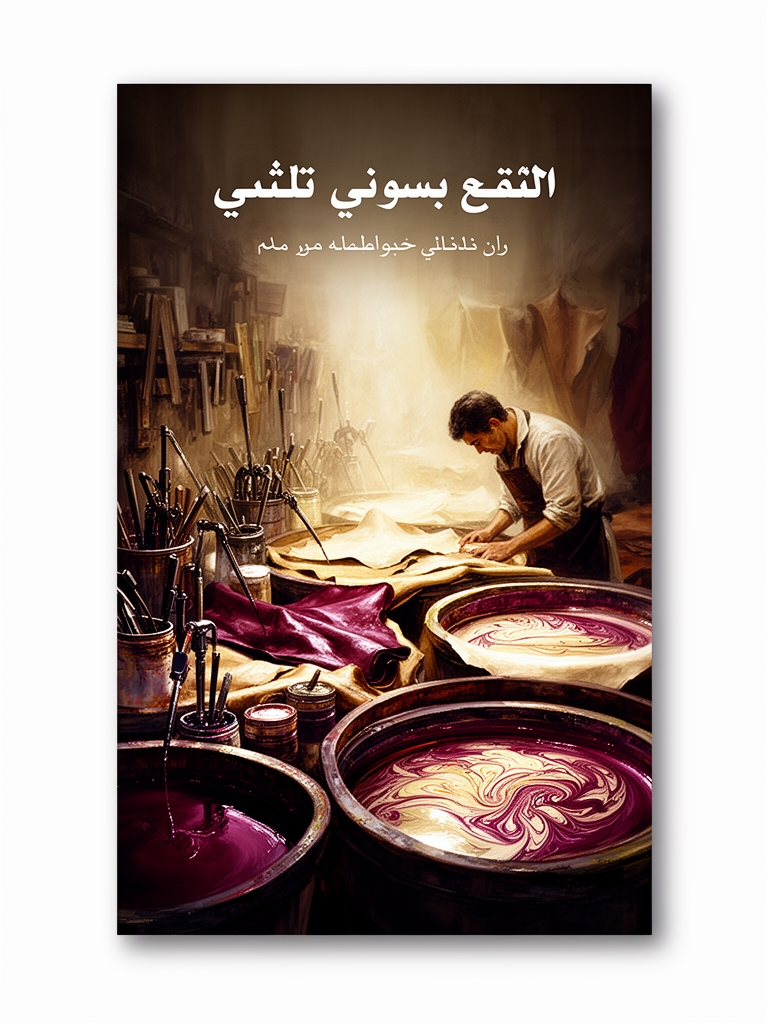
صنعت نوین معرق چرم
By Afshin Khalili · Fiction · Professional · 17 pages
Table of contents
- 1. Introduction to Leather Marquetry
This chapter introduces the reader to the basics of leather marquetry, including its history and fundamental techniques. The narrative sets the stage for the reader's journey into the world of leather marquetry. The history of leather marquetry spans centuries, with roots in ancient civilizations, and is a story of craftsmanship, innovation, and artistic expression. The craft evolved over time, with new techniques and tools being developed, and was influenced by cultural exchange and diverse artistic traditions. Emily explores her grandfather's old toolbox, discovering traditional leather marquetry tools and a leather-bound book detailing techniques and processes, connecting her to a centuries-old tradition and heritage of artisans.
- 2. The Craft of Leather Marquetry
This chapter delves deeper into the craft of leather marquetry, exploring the various techniques and methods used to create intricate designs and patterns. The narrative is interspersed with conversations between artisans, providing insight into their creative processes. Emily learns the art of cutting and shaping leather from master craftsman Marcus, gaining a deeper understanding of the craft and its traditional techniques, and feeling a sense of pride and purpose in preserving her family's heritage. Emily learns the art of assembling a leather marquetry design from Marcus, requiring great care and attention to detail. She begins to appreciate the complexity and nuance of the process, feeling a deep connection to her heritage and a sense of pride in preserving traditional techniques.
- 3. The Modern Art of Leather Marquetry
This final chapter explores the modern applications and interpretations of leather marquetry, highlighting the work of contemporary artisans and the innovative techniques they use. The narrative concludes with a reflection on the enduring appeal of this traditional craft. Emily explores innovative techniques in leather marquetry, meeting artisans like Sophia who combine traditional methods with modern technology, and learns about the importance of balance between respecting tradition and taking risks to keep the craft alive and vibrant. Emily explores innovative techniques in leather marquetry, meeting artisans like Sophia who combine traditional methods with modern technology, and learns about the importance of balance between respecting tradition and taking risks to keep the craft alive and vibrant. Emily envisions a future for leather marquetry where traditional techniques are combined with modern technology and sustainable materials, creating a vibrant and dynamic art form. She experiments with 3D printing and eco-friendly materials, and her work becomes renowned worldwide. Emily remains humble, knowing the true beauty of leather marquetry lies in the craft and its community. Emily envisions a future for leather marquetry where traditional techniques are combined with modern technology and sustainable materials, creating a vibrant and dynamic art form. She experiments with 3D printing and eco-friendly materials, and her work becomes renowned worldwide. Emily remains humble, knowing the true beauty of leather marquetry lies in the craft and its community.
Chapter 1: Introduction to Leather Marquetry
This chapter introduces the reader to the basics of leather marquetry, including its history and fundamental techniques. The narrative sets the stage for the reader's journey into the world of leather marquetry. The history of leather marquetry spans centuries, with roots in ancient civilizations, and is a story of craftsmanship, innovation, and artistic expression. The craft evolved over time, with new techniques and tools being developed, and was influenced by cultural exchange and diverse artistic traditions. Emily explores her grandfather's old toolbox, discovering traditional leather marquetry tools and a leather-bound book detailing techniques and processes, connecting her to a centuries-old tradition and heritage of artisans.
A Brief History of Leather Marquetry
صنعت نوین معرق چرم گسترش فایل مبنای شماره ۱۰ به ساختار کامل کتاب چندفصلی همراه با فصل خاستگاه و فصلهای تکنیکهای تخصصی
نسخه کاری — شهریور ۱۴۰۵ | افشین خلیلی
۱. ساختار کامل پیشنهادی کتاب (گسترش فایل مبنا شماره ۱۰) فایل مبنای شماره ۱۰ (نسخه ۲۳ صفحهای فعلی) بهعنوان هستهٔ آموزشی فصلهای پایه حفظ و گسترش مییابد. ساختار پیشنهادی کامل کتاب به شرح زیر است:
- تقدیمنامه و مقدمه (موجود در فایل مبنا — حفظ متن)
- فصل ۰ / پیشگفتار: خاستگاه و پیدایش صنعت نوین معرق چرم (جدید — بر اساس سند خاستگاه)
- فصل ۱: پیشنیازها و اطلاعات پایه (موجود در فایل مبنا)
- فصل ۲: شناخت تخصصی چرم، مواد و ویژگیهای سطح (موجود و قابل گسترش)
- فصل ۳: ابزارشناسی و آمادهسازی کارگاه
- فصل ۴: طراحی، کادربندی و هندسه مداری (ترنج، لچک، حاشیه)
- فصل ۵: تکنیکهای برش و فارسیبر
- فصل ۶: لویسکاری و آمادهسازی نوار و تریشه
- فصل ۷: تکنیکهای بافت و پیچ تریشه (سه شیوه اصلی)
- فصل ۸: مونتاژ، چسبکاری، مشتهزنی و تثبیت ساختار
- فصل ۹: رزین زیرکار، رنگآمیزی، سایهزنی و خالزنی
- فصل ۱۰: روسازی نهایی، پرداخت و کنترل کیفیت
- فصل ۱۱: پروژههای عملی و معیارهای ارزیابی
- پیوستها: واژهنامه جامع، چکلیستها، منابع و استاندارد فنیوحرفهای (کد ۷۵۳۶-۷۷-۰۰۲۱)
در ادامه این سند، محتوای مورد ۱ تا ۳ بهصورت عملی تأمین شده است: گسترش ساختار + تکمیل فصل خاستگاه + نگارش اولیه فصلهای تکنیکهای تخصصی.
۲. فصل خاستگاه و پیدایش صنعت نوین معرق چرم (تکمیلشده) خاستگاه و ضرورت پیدایش معرق چرم حاصل روندی پیوسته و چندین ساله از پژوهش، تجربه عملی، مطالعه هنرهای سنتی ایران و ترکیب آگاهانه ظرفیتهای چرم طبیعی با مبانی معرق و سوخت چرم است؛ روندی که در دهه هشتاد شمسی، توسط مولف، به شکل یک نظام اجرایی مستقل توسعه یافت و به تدریج به مجموعهای از روشها و تکنیکهای قابل آموزش و کاربرد در حوزههای مختلف هنرهای تجسمی تبدیل شد. پیدایش این صنعت را نمیتوان جدا از پیشینه غنی هنرهای چرمی ایران بررسی کرد. معرق چرم، در ادامه مسیر تاریخی هنرهایی شکل گرفت که در آنها چرم تنها یک ماده اولیه نبوده، بلکه بستری برای نمایش دانش طراحی، رنگ، ساختار، ترکیببندی و مهارتهای متعدد هنری/صنعتی محسوب میشده است. جایگاه تاریخی سوخت چرم در میان هنرهای سنتی ایران، «سوخت چرم» جایگاهی ویژه دارد. آثار ارزشمند برجایمانده از دورههای تیموری، سلجوقی و صفوی، بهویژه جلدهای نفیس کتاب، نمونههایی کمنظیر از هماهنگی میان طراحی، نگارگری، دباغی، رنگرزی، سراجی، تجلید، معرق، مشبک، تشعیر، تذهیب، خوشنویسی، منبت، قلمزنی و دیگر هنرهای وابسته هستند. آفرینش چنین آثاری نیازمند تسلط هنرمند بر مجموعهای گسترده از علوم و فنون زمان خود بوده است؛ زیرا اثر نهایی حاصل ترکیب یک هنر منفرد نبوده، بلکه نتیجه پیوند و هماهنگی چندین صنعت و مهارت مختلف بوده است. اگرچه هنر سوخت چرم در دورههای درخشان تاریخی ایران به اوج کمال رسیده بود، اما شرایط اجتماعی، سیاسی و فرهنگی پس از دوره صفویه و زندیه، به تدریج موجب کمرنگ شدن بسیاری از هنرها و صنایع وابسته شد. تغییر ساختارهای اجتماعی، کاهش حمایت از هنرهای فاخر و گسست انتقال تجربه میان نسلهای هنرمندان، باعث شد بخش قابل توجهی از این دانشهای ارزشمند در معرض فراموشی قرار گیرد. در دوران قاجار و تا آغاز دوران معاصر، بسیاری از هنرهای سنتی ایران با مشکلات جدی مواجه شدند؛ با این حال، در ابتدای دوره پهلوی، تلاش برخی هنرمندان فرهیخته موجب شد بخشی از این میراث دوباره مورد توجه قرار گیرد. در این میان، نقش استاد میرزا آقا مهدی امامی اصفهانی در تداوم و احیای هنرهای مرتبط با سوخت چرم، جایگاهی برجسته دارد. ایشان با انتقال تکنیکهای سوخت چرم از قالب سنتی جلد کتاب به سطوح گستردهتر مانند تابلو، امکان توسعه ترکیببندی و تجربه شیوههای جدید را فراهم آورد. شکلگیری صنعت نوین معرق چرم در دهه ۱۳۸۰ خورشیدی، بر پایه روایت تثبیتشده مؤلف، صنعت نوین معرق چرم بهعنوان نظامی مستقل با شیوه های خاص و روشهای نوینن و شکل گرفت و منجر به استاندارد پذیری و تولد شغل معرق کار چرم شد. این نظام ضمن بهرهگیری از میراث سوخت چرم کهن و معاصر، با افزودن شیوههای تازه در برش، فارسیبر، بافت و پیچ تریشه، ساختاردهی حجمی و تلفیق با فناوریهای دیجیتال (CAD/CAM)، مسیر تازهای گشود. تکنیک بافت و پیچ تریشه بهعنوان یکی از ارکان اصلی این صنعت، امکان استفاده از نوارهای بسیار باریک (تریشه
حدود ۱ میلیمتر) را بهعنوان عنصری مستقل و بیانگر فراهم کرد. همزمان طراحی قطعات مستقل با عنوان «موتیف» و ترکیب آنها با تکنیکهای اتصال، باعث شد معرق چرم از یک روش محدود تزئینی فراتر رفته و به یک نظام هنری و صنعتی مستقل تبدیل شود. گسترش کاربردها قابلیت سازگاری چرم طبیعی با سطوح مختلف، کاربرد این هنر را در حوزههای گستردهای ممکن ساخت: تجلید کتاب و آثار نفیس، ساخت و تزئین جعبههای هنری، اجرای نقش بر روی سفال و سرامیک، تابلوهای هنری، سطوح چوبی، فلز، سنگ، مبلمان و عناصر زیباسازی فضاهای داخلی. هدف از ثبت و تدوین این دانش، تنها معرفی یک شیوه اجرایی نیست؛ بلکه ثبت روند شکلگیری، اصول فنی، تجربیات عملی و قابلیتهای گسترده هنری آن برای انتقال به نسلهای آینده و انطباق با استاندارد رسمی سازمان آموزش فنی و حرفهای کشور (کد ۷۵۳۶-۷۷-۰۰۲۱) است. ________________
۳. فصلهای تکنیکهای تخصصی (نگارش اولیه کامل) فصل ۵ (پیشنهادی): تکنیک فارسیبر فارسیبر عبارت است از برش زاویهدار لبههای قطعات چرمی (معمولاً با زاویه ۴۵ درجه) بهگونهای که دو قطعه ضخیم بتوانند بدون ایجاد پله یا درز برجسته در کنار یکدیگر جفت شوند. این تکنیک برای قطعات ساختاری و موتیفهای ضخیم ضروری است و دقت در زاویه، یکنواختی برش و کنترل فشار تیغه از عوامل کلیدی کیفیت آن است. نکات اجرایی: استفاده از کاتر تیز یا تیغههای مناسب، نگهداشتن قطعه روی سطح پایدار، کنترل جهت برش نسبت به بافت چرم، و آزمایش زاویه روی دورریز قبل از اجرای اصلی. خطای رایج: زاویه نامتقارن یا برش عمودی که منجر به پله شدن سطح میشود. فصل ۶ (پیشنهادی): لویسکاری و تهیه تریشه لویسکاری فرایند نازککردن کنترلشده لبهها یا کل سطح چرم است تا ضخامت یکنواخت و شیب ملایم حاصل شود. هدف اصلی جلوگیری از «پله شدن» در محل اتصال و امکان جفتشدن دقیق قطعات است. دستگاه لویس (مکانیکی یا برقی) یا ابزار دستی (کاردک/گزن تیز + سنگ فسان) بهکار میرود. تهیه تریشه یک میلیمتری: پس از لویس مناسب، نوارهای بسیار باریک با عرض کنترلشده بریده میشوند. یکنواختی عرض و ضخامت برای موفقیت تکنیکهای بافت و پیچ حیاتی است. تفکیک لویس چرم نرم از سخت و کنترل فشار دست از نکات کلیدی ایمنی و کیفیت است. فصل ۷ (پیشنهادی): تکنیکهای بافت و پیچ تریشه سه شیوه شاخص ثبتشده در پروژه: ۱. پیچ نامنظم یا ویرگولی: تریشهها با نظم آزاد و منحنیوار قرار میگیرند و حالتی شبیه حرکت ویرگولهای پیوسته ایجاد میکنند. مناسب برای بافتهای سیال و آزاد. ۲. پیچ منظم یا ورساچه: تریشهها با فاصله، جهت و تکرار مشخص کنار هم قرار میگیرند و بافت هندسی منظم میسازند. کنترل دقیق فاصله و جهت ضروری است. ۳. پیچ درختی یا گرهای: تریشهها بهگونهای درهم قرار میگیرند که ساختاری شبیه شاخه، درخت یا گرههای بههمپیوسته ایجاد شود. فضاهای منفی را به عنصر فعال طراحی تبدیل میکند. ابزار کمکی: پنس یا موچین برای قراردهی دقیق. تریشه صرفاً پرکننده فاصله نیست؛ بلکه عنصر طراحی و بافتساز اثر است. فصل ۸ و ۹ (پیشنهادی): مونتاژ، چسب، مشته، رزین، رنگ و خالزنی چسب آهن بهصورت لایه نازک اعمال میشود و تا رسیدن به حالت «دونم» (چسبندگی بدون خیسی) صبر میگردد. مشتهزنی اولیه بلافاصله پس از نصب هر قطعه برای خروج هوا و تثبیت اتصال انجام میشود. رزین زیرکار: ترکیب چسبچوب و آب با نسبت دقیق ۱ به ۶. نفوذ یکنواخت در بافت چرم برای اشباع منافذ و تثبیت ساختار. مشتهزنی دوم در حالت دونم رزین با ضربات آرامتر. رنگآمیزی: پس از خشکی کامل رزین، رنگهای پایه تینر یا الکلی بهصورت لایهلایه (روش پرداز). استفاده از چرم رنگی آماده توصیه نمیشود. هدف ایجاد عمق و جلوه بصری است. خالزنی (خال طلایی): با خمیر تیوبی ویترای (لاینر طلایی) پس از خشک شدن رنگ و پیش از روسازی نهایی. معمولاً روی زمینه تیره و در امتداد کادرها
اجرا میشود. فصل ۱۰ (پیشنهادی): روسازی نهایی و کنترل کیفیت اعمال کیلر سلولزی، پلیاستر، فیکساتور یا واکسهای مخصوص در محیط فاقد گردوغبار و با تهویه مناسب. لایه باید یکنواخت و بدون شره باشد. خشکشدن در دمای محیط و دور از تابش مستقیم خورشید. پرداخت نهایی با پولیش دورانی و کنترل کامل کیفیت (چسبندگی، یکنواختی، تمیزی خطوط، صحت طرح، کیفیت رنگ و خالها، پوشش و استحکام). ________________
جمعبندی و گام بعدی پیشنهادی موارد ۱ تا ۳ انجام شد: • ساختار کامل چندفصلی کتاب بر پایه فایل مبنا شماره ۱۰ تعریف و پیشنهاد گردید. • فصل خاستگاه و پیدایش بهصورت متن پیوسته و قابل درج در کتاب تکمیل شد. • فصلهای تکنیکهای تخصصی (فارسیبر، لویس و تریشه، سه نوع پیچ/بافت، مونتاژ و چسب، رزین، رنگ، خالزنی و روسازی) بهصورت نگارش اولیه کامل نوشته شد. گام بعدی پیشنهادی: گسترش تفصیلی هر یک از فصلهای ۳ تا ۱۱ با اهداف آموزشی، درسنامه، تمرینهای عملی، چکلیست ارزیابی و تصاویر پیشنهادی — مشابه سبک فایل مبنای شماره ۱۰. اگر موافقید، از فصل خاصی شروع میکنیم یا کل نقشه راه را به فایل مبنای موجود الحاق میکنیم.
The history of leather marquetry is a rich and complex one, spanning centuries and continents. It is a story of craftsmanship, innovation, and artistic expression, with roots in ancient civilizations and a legacy that continues to inspire and influence artisans to this day. As Emily delved deeper into her grandfather's toolbox and the leather-bound book that accompanied it, she began to uncover the secrets of this traditional craft, and the ways in which it had evolved over time. She learned about the different techniques and tools that had been developed, and the ways in which cultural exchange and diverse artistic traditions had shaped the craft.
One of the key factors that had influenced the development of leather marquetry was the Industrial Revolution. As new technologies and manufacturing processes emerged, artisans began to experiment with new materials and techniques, incorporating machine-made tools and mass-produced leather into their work. This led to a proliferation of leather marquetry, as it became more accessible and affordable for people to create and purchase. However, it also led to a decline in the traditional craftsmanship and attention to detail that had once characterized the craft. Many artisans began to prioritize speed and efficiency over quality and beauty, resulting in a homogenization of styles and a loss of the unique, handmade quality that had once defined leather marquetry.
Despite this, there were still many artisans who continued to practice the traditional techniques of leather marquetry, using handmade tools and high-quality materials to create intricate and beautiful designs. These artisans were often driven by a passion for the craft, and a desire to preserve the traditional techniques and methods that had been passed down to them. They saw leather marquetry not just as a means of creating functional or decorative items, but as a way of connecting with the past, and of expressing their own unique creativity and vision. As Emily learned more about the history and techniques of leather marquetry, she began to appreciate the beauty and significance of this traditional craft, and the ways in which it continued to inspire and influence artisans around the world.
As she explored her grandfather's toolbox and the leather-bound book, Emily stumbled upon a collection of old photographs and letters, detailing her family's history and connection to the craft of leather marquetry. She learned about her great-grandfather, a skilled artisan who had worked with leather for many years, and about her grandmother, who had been a talented designer and artist. The more she learned, the more Emily felt a deep connection to her heritage, and a sense of pride and purpose in preserving the traditional techniques and methods of leather marquetry. She realized that the craft was not just about creating beautiful objects, but about preserving a way of life, and a connection to the past that was worth cherishing and passing on to future generations.
The Artisan's Toolbox
As Emily delved deeper into the world of leather marquetry, she began to appreciate the importance of traditional techniques and tools in creating these exquisite pieces. Her grandfather's old toolbox, passed down through generations of her family, was a treasure trove of handmade instruments and devices, each one carefully crafted to serve a specific purpose in the leather marquetry process. There were hand-cutting tools, with blades sharpened to precision, and shaping devices, designed to coax and mold the leather into intricate curves and patterns. Every tool in the box had a story to tell, a history of use and reuse, of creation and innovation.
Emily's fingers moved deftly over the tools, her touch reverent as she handled each one. She remembered her grandfather's words, "A good artisan is only as good as their tools," and she knew that these instruments were the key to unlocking the secrets of leather marquetry. As she explored the toolbox, she discovered a small, leather-bound book, tucked away in a corner. The book was old, its pages yellowed with age, but as she opened it, she saw that it was filled with notes and diagrams, detailing the techniques and processes of leather marquetry. The book was a window into the past, a glimpse of the craftsmanship and innovation that had defined the art form for centuries.
"I wish I could have seen my grandfather at work," Emily said, her voice filled with a sense of wonder. "I wish I could have learned from him, seen the way he moved his hands, the way he coaxed the leather into shape." But as she looked at the tools, and the book, she knew that she was not just learning a craft, she was connecting with a tradition, a heritage that stretched back centuries. The tools, the techniques, the very art form itself, were all part of a continuum, a thread that linked her to the past, and to the generations of artisans who had come before her.
As she closed the book, and put the tools back in the box, Emily felt a sense of pride and purpose. She knew that she was part of a community, a global network of artisans and enthusiasts who were dedicated to preserving and promoting the craft of leather marquetry. And she knew that, as she worked with the leather, creating her own unique pieces, she was not just expressing herself, she was contributing to a tradition, a tradition that would continue to evolve and thrive, long after she was gone. The artisan's toolbox, with its handmade instruments and devices, was more than just a collection of tools, it was a symbol of the craft, a reminder of the history, and the heritage, that lay behind every piece of leather marquetry.
Chapter 2: The Craft of Leather Marquetry
This chapter delves deeper into the craft of leather marquetry, exploring the various techniques and methods used to create intricate designs and patterns. The narrative is interspersed with conversations between artisans, providing insight into their creative processes. Emily learns the art of cutting and shaping leather from master craftsman Marcus, gaining a deeper understanding of the craft and its traditional techniques, and feeling a sense of pride and purpose in preserving her family's heritage. Emily learns the art of assembling a leather marquetry design from Marcus, requiring great care and attention to detail. She begins to appreciate the complexity and nuance of the process, feeling a deep connection to her heritage and a sense of pride in preserving traditional techniques.
Cutting and Shaping Leather
As Emily delved deeper into the world of leather marquetry, she became fascinated with the process of cutting and shaping leather. She spent hours watching artisans at work, mesmerized by the way they coaxed intricate designs from raw hides. One artisan, a master craftsman named Marcus, took Emily under his wing, teaching her the finer points of leather cutting and shaping. "The key to creating beautiful leather marquetry is in the preparation," Marcus explained, his hands moving deftly as he cut a delicate pattern into a piece of leather. "You must understand the grain of the leather, its texture and flexibility, before you can even begin to cut and shape it." Emily watched, entranced, as Marcus worked, his tools glinting in the light as he expertly trimmed and shaped the leather into intricate curves and patterns.
As she learned from Marcus, Emily began to appreciate the complexity and nuance of leather marquetry. She realized that the craft was not just about cutting and shaping leather, but about understanding the very essence of the material itself. The way it responded to different tools and techniques, the way it could be coaxed and shaped into beautiful, intricate designs. Emily's grandfather had been a master of this craft, and as she worked with Marcus, she felt a deep connection to her heritage, a sense of pride and purpose in preserving the traditional techniques of leather marquetry. "My grandfather used to say that the best leather marquetry was not just about creating beautiful designs, but about telling a story," Emily said, her eyes shining with excitement. "He believed that every piece of leather marquetry should be a reflection of the artisan's soul, a window into their heart and mind." Marcus nodded, a small smile playing on his lips. "I think that's what sets true artisans apart from mere craftsmen," he said. "The ability to infuse their work with a sense of passion and purpose, to create something that is truly alive."
As the days passed, Emily found herself becoming more and more skilled in the art of cutting and shaping leather. She practiced tirelessly, honing her skills and learning new techniques from Marcus and the other artisans. And as she worked, she began to uncover the secrets of her family's past, the stories and traditions that had been passed down through generations of leather marquetry artisans. She discovered that her grandfather had been part of a long line of artisans who had preserved the traditional techniques of leather marquetry, even as the craft evolved and changed over time. And she realized that she, too, had a role to play in preserving this heritage, in keeping the traditions of leather marquetry alive for future generations. "I feel like I'm just beginning to scratch the surface of this craft," Emily said, her eyes shining with excitement. "There's so much to learn, so much to discover." Marcus smiled, his eyes twinkling with amusement. "That's the beauty of leather marquetry, my dear," he said. "There's always more to learn, more to discover. The craft is a journey, not a destination."
Assembling the Design
As Emily's skills improved, Marcus began to teach her the art of assembling a leather marquetry design. This was the most intricate and delicate part of the process, requiring great care and attention to detail. Emily watched, fascinated, as Marcus demonstrated how to carefully cut and shape each piece of leather, before assembling them into a beautiful and intricate design. "The key to a successful assembly is in the preparation," Marcus explained, his hands moving deftly as he cut a delicate pattern into a piece of leather. "Each piece must be carefully cut and shaped, before being assembled into the final design." Emily nodded, her eyes shining with excitement, as she watched Marcus work.
As she learned from Marcus, Emily began to appreciate the complexity and nuance of assembling a leather marquetry design. She realized that the process was not just about cutting and shaping leather, but about understanding how each piece fit together to create a beautiful and intricate whole. The way the different pieces of leather responded to different tools and techniques, the way they could be coaxed and shaped into beautiful, intricate curves and patterns. Emily's grandfather had been a master of this craft, and as she worked with Marcus, she felt a deep connection to her heritage, a sense of pride and purpose in preserving the traditional techniques of leather marquetry. "My grandfather used to say that the best leather marquetry was not just about creating beautiful designs, but about telling a story," Emily said, her eyes shining with excitement. "He believed that every piece of leather marquetry should be a reflection of the artisan's soul, a window into their heart and mind."
As the days passed, Emily found herself becoming more and more skilled in the art of assembling a leather marquetry design. She practiced tirelessly, honing her skills and learning new techniques from Marcus and the other artisans. And as she worked, she began to uncover the secrets of her family's past, the stories and traditions that had been passed down through generations of leather marquetry artisans. She discovered that her grandfather had been part of a long line of artisans who had preserved the traditional techniques of leather marquetry, even as the craft evolved and changed over time. And she realized that she, too, had a role to play in preserving this heritage, in keeping the traditions of leather marquetry alive for future generations. "I feel like I'm just beginning to understand the true beauty of leather marquetry," Emily said, her eyes shining with excitement. "There's so much depth and complexity to this craft, so much to learn and discover." Marcus smiled, his eyes twinkling with amusement. "That's the beauty of leather marquetry, my dear," he said. "There's always more to learn, more to discover. The craft is a journey, not a destination."
As Emily continued to work on her design, she began to see the different pieces of leather come together to form a beautiful and intricate whole. She carefully cut and shaped each piece, before assembling them into the final design. And as she worked, she felt a sense of pride and purpose, knowing that she was preserving the traditional techniques of leather marquetry, and keeping the traditions of her family alive. The design began to take shape, a beautiful and intricate pattern of leather and color, each piece carefully cut and shaped to fit together perfectly. Emily stepped back, her eyes shining with excitement, as she admired her handiwork. "It's beautiful," she said, her voice barely above a whisper. "I can see why my grandfather loved this craft so much." Marcus nodded, a small smile playing on his lips. "Yes, leather marquetry is a truly beautiful craft," he said. "It requires great skill and patience, but the end result is well worth the effort." Emily nodded, her eyes shining with excitement, as she continued to work on her design, carefully assembling the different pieces of leather into a beautiful and intricate whole.
Chapter 3: The Modern Art of Leather Marquetry
This final chapter explores the modern applications and interpretations of leather marquetry, highlighting the work of contemporary artisans and the innovative techniques they use. The narrative concludes with a reflection on the enduring appeal of this traditional craft. Emily explores innovative techniques in leather marquetry, meeting artisans like Sophia who combine traditional methods with modern technology, and learns about the importance of balance between respecting tradition and taking risks to keep the craft alive and vibrant. Emily explores innovative techniques in leather marquetry, meeting artisans like Sophia who combine traditional methods with modern technology, and learns about the importance of balance between respecting tradition and taking risks to keep the craft alive and vibrant. Emily envisions a future for leather marquetry where traditional techniques are combined with modern technology and sustainable materials, creating a vibrant and dynamic art form. She experiments with 3D printing and eco-friendly materials, and her work becomes renowned worldwide. Emily remains humble, knowing the true beauty of leather marquetry lies in the craft and its community. Emily envisions a future for leather marquetry where traditional techniques are combined with modern technology and sustainable materials, creating a vibrant and dynamic art form. She experiments with 3D printing and eco-friendly materials, and her work becomes renowned worldwide. Emily remains humble, knowing the true beauty of leather marquetry lies in the craft and its community.
Innovations in Leather Marquetry
As Emily delved deeper into the world of leather marquetry, she began to notice the innovative techniques that contemporary artisans were using to push the boundaries of this traditional craft. She attended workshops and conferences, where she met artisans who were experimenting with new materials, tools, and methods to create intricate and complex designs. One such artisan was a young woman named Sophia, who had developed a technique for using laser-cutting technology to create precise and delicate patterns in leather. Emily was fascinated by Sophia's work and spent hours talking to her about her creative process. "I love the traditional techniques of leather marquetry," Sophia said, "but I also believe that there's room for innovation and experimentation. By combining traditional methods with modern technology, I can create designs that are truly unique and innovative."
Emily was inspired by Sophia's approach and began to think about how she could incorporate new techniques and materials into her own work. She started experimenting with different types of leather, including exotic skins and sustainable materials, and began to explore the use of digital tools to design and cut her patterns. As she worked, she realized that the key to successful innovation in leather marquetry was to understand the traditional techniques and materials, while also being open to new ideas and approaches. "It's all about balance," she said to Marcus, her mentor. "You need to respect the traditional techniques, but also be willing to take risks and try new things." Marcus nodded in agreement, "That's the secret to keeping leather marquetry alive and vibrant. It's a craft that's rooted in tradition, but also open to innovation and evolution."
As Emily continued to explore the world of leather marquetry, she began to notice the impact of global cultural exchange on the craft. She saw how artisans from different countries and cultures were influencing each other's work, and how traditional techniques were being adapted and modified to create new and innovative designs. She met artisans who were combining leather marquetry with other crafts, such as woodwork or metalwork, to create complex and beautiful pieces. And she realized that the craft of leather marquetry was not just about creating beautiful objects, but also about telling stories and preserving cultural heritage. "Leather marquetry is a journey, not a destination," her grandfather had once said. As Emily looked at the intricate and beautiful designs that surrounded her, she knew that she was just beginning her own journey, one that would take her to new and exciting places. The fusion of traditional and modern techniques, the blending of cultural influences, and the passion of the artisans she met along the way all contributed to her growing appreciation for the craft and its endless possibilities. With each new discovery, Emily felt a sense of pride and purpose in preserving the traditional techniques of leather marquetry, while also embracing the innovative spirit that was driving the craft forward.
The Future of Leather Marquetry
As Emily's journey in the world of leather marquetry continued, she found herself at the forefront of a new era in the craft. She was no longer just a preservationist, dedicated to maintaining the traditional techniques of her grandfather and his predecessors, but a pioneer, eager to explore the uncharted territories of innovation and experimentation. The artisans she met, the techniques she learned, and the materials she discovered all contributed to her growing sense of excitement and possibility. She began to envision a future where leather marquetry was not just a revered traditional craft, but a vibrant and dynamic art form, capable of expressing the diversity and complexity of the modern world.
Sophia's laser-cutting technique was just the beginning, Emily realized. There were countless other ways to combine traditional methods with modern technology, to push the boundaries of what was possible with leather marquetry. She started to experiment with 3D printing, using the technology to create intricate and complex designs that would have been impossible to achieve by hand. She also began to explore the use of sustainable materials, such as recycled leather and eco-friendly dyes, to create pieces that were not only beautiful but also environmentally responsible. As she worked, Emily felt a sense of pride and purpose, knowing that she was helping to shape the future of the craft and ensure its continued relevance and vitality.
Marcus, her mentor, watched her progress with a keen eye, offering guidance and encouragement whenever she needed it. "You're not just preserving the traditional techniques of leather marquetry," he said, "you're also creating a new legacy, one that will inspire future generations of artisans and enthusiasts." Emily smiled, feeling a sense of gratitude and respect for the man who had taught her so much. She knew that she owed a great debt to Marcus, to Sophia, and to all the other artisans she had met on her journey, for they had shown her the way forward, and had given her the courage and confidence to pursue her own vision.
As the years passed, Emily's work became renowned throughout the world of leather marquetry. She was hailed as a innovator and a pioneer, a master artisan who had helped to shape the future of the craft. And yet, despite all the accolades and recognition, Emily remained humble and grounded, knowing that the true beauty of leather marquetry lay not in the individual pieces, but in the craft itself, and in the community of artisans and enthusiasts who kept it alive. "Leather marquetry is a journey, not a destination," her grandfather had once said. Emily knew that she would always be on that journey, exploring new techniques, discovering new materials, and pushing the boundaries of what was possible with this ancient and noble craft.
The future of leather marquetry was bright, Emily realized, and it was full of endless possibilities. She envisioned a world where artisans from different cultures and backgrounds came together to share their knowledge and skills, to create pieces that were truly innovative and unique. She saw a world where leather marquetry was not just a craft, but a way of life, a way of connecting with others and with the natural world. And she knew that she would always be a part of that world, a world that was full of beauty, creativity, and wonder. With each new discovery, with each new innovation, Emily felt a sense of excitement and anticipation, knowing that the future of leather marquetry was in good hands, and that the craft would continue to thrive and evolve for generations to come.