Non-Fiction
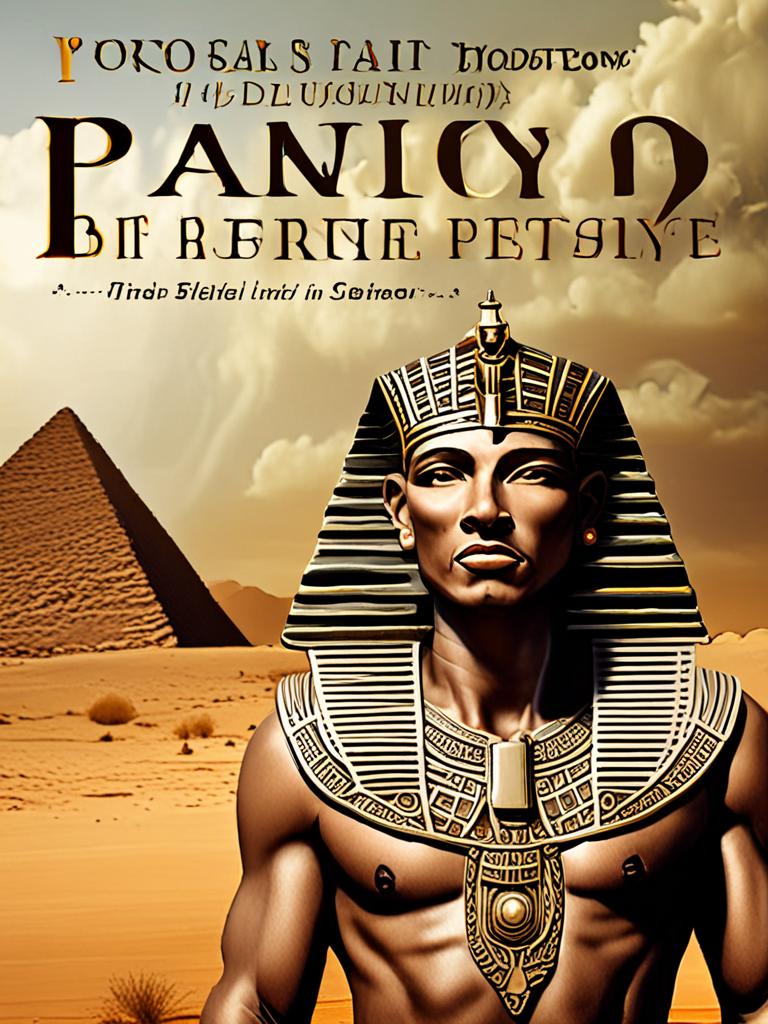
BOOK TITLE: WHO AM I BEFORE PHARAOH? WHAT YOU ALLOWED TO DEFINE YOU DETERMINE YOUR DESTINY.. .
by Paul king
3 chapters34 min read
Chapter 1
The Foundation of Identity
Introduction to Self-Discovery
The concept of self-identity had long been a subject of fascination for many, a puzzle that seemed impossible to fully solve. It was as if the more one delved into the depths of their own being, the more elusive the answer became. And yet, it was this very understanding of oneself that played a pivotal role in shaping one's destiny. Dr. Thompson, a renowned expert in the field of psychology, once said, "The greatest discovery of all time is that a person can change their future by merely changing their attitude." But what happens when external factors, such as societal expectations or cultural norms, begin to influence one's perception of themselves? Do they still have the power to shape their own destiny, or do they become a product of their environment? These were the questions that had driven many to explore the concept of self-identity, including the author of this book. As she sat in her study, surrounded by stacks of dusty old books and scribbled notes, she couldn't help but wonder what it was about this topic that had captivated her so. She thought back to her childhood, growing up in a small town where everyone knew each other's names, and how she had always felt like there was something missing, like a part of her was waiting to be discovered. It wasn't until she stumbled upon the story of Moses, a man who had been defined by his circumstances as much as by his own choices, that she began to understand the true significance of self-identity. "Who am I before Pharaoh?" Moses had asked himself, a question that would become the catalyst for his journey of self-discovery. And it was this very question that the author hoped to explore in her book, to delve into the idea that one's understanding of themselves before external influences can determine their path in life. As she began to write, she realized that this was not just a story about Moses, or any other historical figure, but about the universal human experience of searching for one's true identity.
The Influence of External Factors
As the author delved deeper into her research, she began to realize the profound impact that external factors can have on one's self-perception. She thought about how Moses, a man who had been raised as an Egyptian prince, had struggled to come to terms with his Hebrew heritage. The influence of his adoptive family and the societal norms of ancient Egypt had shaped his understanding of himself, often in conflicting ways. "Who am I before Pharaoh?" he had asked, a question that echoed the author's own search for identity. Dr. Thompson's words came to mind, "The greatest discovery of all time is that a person can change their future by merely changing their attitude." But what about when external factors, such as the expectations of others or the pressures of culture, begin to shape one's attitude? Do they still have the power to choose their own path, or are they bound by the limitations of their environment? The author knew that she was not alone in her quest for answers, that countless others had grappled with these same questions throughout history. She thought about the biblical account of Joseph, a man who had been sold into slavery by his brothers, yet had risen to become a powerful leader in Egypt. How had he maintained his sense of identity, despite the many external factors that had sought to define him? The author's mind was filled with questions, and she knew that she had only just begun to scratch the surface of this complex and multifaceted topic. As she sat at her desk, pen in hand, she felt a sense of excitement and trepidation. She was about to embark on a journey of discovery, one that would take her to the very heart of what it means to be human. "The greatest discovery of all time," Dr. Thompson had said, "is that a person can change their future by merely changing their attitude." But what about when that attitude is shaped by external factors? The author was determined to find out. She leaned forward, her eyes fixed on the page, and began to write. The words flowed effortlessly, as if she was uncovering a truth that had been hidden deep within her all along. The influence of external factors, she wrote, can be a powerful force in shaping one's self-perception. But it is not the only force at play. There is something deeper, something more profound, that drives us to search for our true identity. And it is this something, this spark of self-awareness, that holds the key to unlocking our true potential. As the author wrote, she felt a sense of clarity wash over her. She knew that she was on the right path, that she was uncovering a truth that would resonate with readers from all walks of life. The question of self-identity, she realized, was not just a personal one, but a universal one. It was a question that had been asked by countless individuals throughout history, from Moses to Joseph, and from the author herself to the readers who would one day pick up her book. And it was a question that would continue to be asked, as long as humanity continued to search for its place in the world. The author's pen paused, hovering above the page, as she reflected on the significance of her words. She knew that she had only just begun to explore the concept of self-identity, but she was excited to see where this journey would take her. And as she sat there, surrounded by the trappings of her study, she felt a sense of peace wash over her. She was exactly where she was meant to be, doing exactly what she was meant to do. The words would flow, and the story would unfold, and the author would uncover the truth about self-identity, one word at a time.
Biblical Perspectives on Identity
As the author delved deeper into the biblical accounts of Moses and Joseph, she began to notice a common thread that ran through their stories. Both men had been shaped by external factors, yet they had also demonstrated a remarkable ability to maintain their sense of identity despite these influences. Moses, who had been raised as an Egyptian prince, had still managed to connect with his Hebrew heritage and lead his people out of slavery. Joseph, who had been sold into slavery by his brothers, had risen to become a powerful leader in Egypt, yet he had never forgotten his roots. The author wondered what it was about these men that had allowed them to stay true to themselves, even in the face of overwhelming external pressure. She thought about the words of Dr. Thompson, "The greatest discovery of all time is that a person can change their future by merely changing their attitude." But what about when that attitude is shaped by external factors, as it had been for Moses and Joseph? The author realized that the key to understanding their stories lay not just in their individual experiences, but in the broader cultural and historical context in which they lived. She began to explore the societal norms and expectations that had influenced their lives, and how they had navigated these complexities to maintain their sense of identity. As she read through the biblical accounts, the author was struck by the way in which Moses and Joseph had both been able to find their true identities despite the external factors that had sought to define them. Moses had asked, "Who am I before Pharaoh?" and Joseph had risen to greatness despite being sold into slavery. Their stories were a testament to the power of self-identity, and the importance of staying true to oneself even in the face of adversity. The author felt a sense of awe at the realization that these men, who had lived thousands of years ago, were still able to teach her valuable lessons about the nature of identity and the human experience. She knew that their stories would continue to inspire and guide her as she navigated her own journey of self-discovery, and that their examples would serve as a reminder of the importance of staying true to oneself. As she sat at her desk, surrounded by the words of the biblical accounts, the author felt a sense of gratitude for the wisdom and insight that these stories had imparted. She knew that she had only just begun to scratch the surface of the complex and multifaceted topic of self-identity, but she was excited to continue her journey of discovery, using the examples of Moses and Joseph as her guides. The author's pen moved across the page, as she began to write about the lessons she had learned from these biblical figures. She wrote about the importance of staying true to oneself, despite external pressures and expectations. She wrote about the power of self-identity, and the way in which it can shape our lives and our destinies. And she wrote about the enduring legacy of Moses and Joseph, who had lived thousands of years ago, yet still continued to inspire and guide her on her own journey of self-discovery. As the words flowed onto the page, the author felt a sense of clarity and purpose. She knew that she was on the right path, and that the stories of Moses and Joseph would continue to guide her as she explored the complex and multifaceted topic of self-identity. The author's journey was far from over, but she was excited to see where it would take her, and what other lessons she would learn along the way.
The Consequences of Misdefined Identity
As the author continued to write, she couldn't help but think about the consequences of misdefined identity. What happens when we allow external factors to define us, rather than staying true to ourselves? She thought about the countless people who had lost their sense of identity in the midst of societal pressures and expectations. She thought about the individuals who had conformed to the norms of their culture, only to find themselves feeling empty and unfulfilled. The author realized that misdefined identity could lead to a life of discontentment and disconnection from one's true self. She remembered the words of Dr. Thompson, "The greatest discovery of all time is that a person can change their future by merely changing their attitude." But what about when that attitude is shaped by a misdefined sense of identity? The author knew that she had to explore this topic further, to understand the consequences of allowing external factors to define us. She began to research the stories of individuals who had struggled with misdefined identity, and what she found was both surprising and enlightening. She discovered that many people had been able to break free from the constraints of external expectations, and find their true identities in the process. She read about individuals who had been brave enough to challenge the status quo, and forge their own paths in life. And she realized that these stories were not just inspiring, but also instructive. They taught her that it's never too late to redefine our sense of identity, and that the consequences of misdefined identity can be overcome. The author felt a sense of hope and optimism as she wrote about these stories. She knew that her book would not just be about the importance of self-identity, but also about the possibility of transformation and growth. She wrote about the power of self-discovery, and the ways in which we can break free from the constraints of external expectations. And she wrote about the importance of staying true to oneself, even in the face of adversity. As she finished writing, the author felt a sense of satisfaction and completion. She knew that she had created something special, a book that would inspire and guide readers on their own journeys of self-discovery. And she knew that the stories of Moses and Joseph would continue to be a source of inspiration and guidance, reminding her and her readers of the importance of staying true to oneself. The author's journey had been one of discovery and growth, and she was excited to see where it would take her next. She closed her eyes, feeling a sense of gratitude for the wisdom and insight that she had gained. And she knew that she would always be grateful for the lessons she had learned from Moses and Joseph, two men who had lived thousands of years ago, yet still continued to inspire and guide her on her own journey of self-discovery.
Chapter 2
Historical Contexts and Identity
Ancient Civilizations and Self-Identity
As the author delved deeper into the concept of self-identity, she became fascinated by the ways in which ancient civilizations defined themselves and how these definitions impacted their destinies. She spent hours poring over historical texts and biblical accounts, searching for clues about how individuals and groups navigated the complex dynamics between internal identity and external expectations. One of the most striking examples she encountered was that of the ancient Egyptians, who placed a strong emphasis on social hierarchy and cultural tradition. "In ancient Egypt, a person's identity was often tied to their social status and occupation," she noted in her journal. "For example, a person who was born into a family of priests would likely be expected to follow in their footsteps and become a priest themselves." This rigid social structure raised important questions about the nature of self-identity and how it is shaped by external factors. How did individuals in ancient Egypt reconcile their own desires and aspirations with the expectations placed upon them by their society? And what happened when these expectations conflicted with a person's internal sense of identity? The author's thoughts turned to Moses, who was raised as an Egyptian prince but ultimately rejected this identity in favor of his Hebrew heritage. "Moses' story is a powerful example of how self-identity can be shaped by external factors, but also how individuals can choose to redefine themselves and forge their own paths in life," she reflected. As she continued to explore the historical context of self-identity, the author began to notice a recurring theme: the tension between internal identity and external expectations. This tension was evident not only in the story of Moses, but also in the lives of other biblical figures, such as Joseph, who rose to greatness despite being sold into slavery. "Joseph's story is a testament to the human spirit's ability to persevere and thrive in the face of adversity," the author wrote. "But it also highlights the importance of understanding one's true identity and not allowing external circumstances to define us." As she delved deeper into the historical context of self-identity, the author began to realize that this tension between internal identity and external expectations was not unique to ancient civilizations. Rather, it was a universal human experience that continued to shape the lives of individuals to this day. "The question of who we are and how we define ourselves is a fundamental one that has puzzled humans for centuries," she noted. "And yet, it is a question that is more relevant now than ever, as we navigate the complexities of modern life and grapple with the expectations placed upon us by our societies and cultures." The author's thoughts were interrupted by a conversation she had with a friend, who was struggling to balance her own desires with the expectations of her family and community. "I feel like I'm being pulled in so many different directions," her friend said. "I don't know who I am anymore or what I want out of life." The author listened attentively, recognizing the familiar struggle to define oneself in the face of external expectations. "You are not alone in this struggle," she said. "In fact, it is a universal human experience that has been playing out for centuries. But the good news is that you have the power to redefine yourself and forge your own path in life. It's never too late to discover who you are and what you want out of life." Her friend's words struck a chord, and the author realized that the journey of self-discovery was not just a historical or theoretical concept, but a living, breathing reality that was relevant to people's lives today.
The Role of Leadership in Shaping Identity
As the author continued to explore the historical context of self-identity, she began to examine the role of leadership in shaping identity. She noted that leaders, whether they be pharaohs, kings, or prophets, played a significant role in defining the identities of their followers. In ancient Egypt, for example, the pharaoh was considered to be a living god, and his identity was deeply tied to the identity of the Egyptian people. "The pharaoh's identity was not just a personal matter, but a matter of state," the author wrote. "He was the embodiment of the Egyptian people, and his actions and decisions reflected the values and beliefs of the society." The author realized that this dynamic was not unique to ancient Egypt, but was a common phenomenon throughout history. Leaders, whether they be good or bad, had the power to shape the identities of their followers, often in profound ways. Moses, for example, played a crucial role in shaping the identity of the Hebrew people, leading them out of slavery and into a new era of freedom and self-discovery. "Moses' leadership was not just about giving orders or making decisions, but about defining the very identity of the Hebrew people," the author reflected. "He helped them to see themselves as a distinct people, with their own history, culture, and values." The author also noted that Joseph, who rose to become a leader in Egypt, played a similar role in shaping the identity of the Egyptian people. Despite being a foreigner in a strange land, Joseph was able to win the trust and respect of the Egyptian people, and he played a key role in shaping their identity and destiny. "Joseph's story is a testament to the power of leadership in shaping identity," the author wrote. "He was able to transcend his own identity as a Hebrew and become a leader among the Egyptians, helping to shape their identity and destiny in profound ways." As the author delved deeper into the role of leadership in shaping identity, she began to realize that this dynamic was not just limited to historical figures. Rather, it was a universal phenomenon that continued to shape the lives of individuals and communities to this day. "Leaders, whether they be parents, teachers, or politicians, have the power to shape the identities of their followers," she noted. "They can inspire, motivate, and empower people to become the best versions of themselves, or they can stifle, oppress, and marginalize them." The author's thoughts were interrupted by a conversation she had with a colleague, who was struggling to come to terms with the legacy of a former leader. "I'm not sure how to feel about his legacy," her colleague said. "On the one hand, he did some great things and inspired a lot of people. But on the other hand, he also made some mistakes and hurt a lot of people." The author listened attentively, recognizing the complexity of the issue. "Leaders are human beings, just like the rest of us," she said. "They have their strengths and weaknesses, their triumphs and failures. But what's important is not just their legacy, but the impact they had on the people they led. Did they inspire and empower them, or did they stifle and oppress them?" Her colleague's words struck a chord, and the author realized that the role of leadership in shaping identity was a multifaceted and complex issue. It was not just about the leader themselves, but about the impact they had on the people they led, and the legacy they left behind. As she continued to explore this topic, the author began to see that the role of leadership in shaping identity was not just a historical or theoretical concept, but a living, breathing reality that was relevant to people's lives today. The author's conversation with her colleague reminded her of Dr. Thompson's words, "The greatest discovery of all time is that a person can change their future by merely changing their attitude." She realized that leaders had the power to shape not only the identities of their followers but also their attitudes, which in turn could shape their destinies. The author's thoughts turned to the story of Moses, who had asked, "Who am I before Pharaoh?" This question, she realized, was not just a personal inquiry but also a reflection of the broader question of how leadership shapes identity. Moses' journey of self-discovery and his eventual leadership of the Hebrew people were a testament to the power of leadership in shaping identity and destiny. The author's exploration of the role of leadership in shaping identity had led her to a deeper understanding of the complex dynamics at play. She realized that leadership was not just about power or authority but about the impact one had on others and the legacy one left behind. As she reflected on her conversation with her colleague and her research on historical leaders, the author began to see the significance of self-identity in shaping one's destiny. She understood that the way individuals defined themselves and their place in the world was closely tied to their sense of purpose and direction. The author's journey of discovery had led her to a profound realization: that the question of who we are and how we define ourselves is a fundamental one that has puzzled humans for centuries, and that the answer to this question has the power to shape our destinies in profound ways.
Resilience and Identity in Adversity
The author's thoughts on the role of leadership in shaping identity led her to consider the concept of resilience and how it relates to self-identity. She realized that individuals who had faced adversity and come out stronger on the other side had often undergone a significant transformation in their sense of self. This was certainly the case for Moses, who had been raised as an Egyptian prince but ultimately rejected that identity to become a leader of the Hebrew people. His journey was marked by numerous challenges and setbacks, including his murder of an Egyptian and his subsequent flight to Midian. Yet, despite these difficulties, Moses emerged as a strong and confident leader, capable of inspiring and guiding his people. The author noted that Moses' resilience in the face of adversity was closely tied to his sense of identity. As he navigated the complexities of his Egyptian and Hebrew heritage, Moses was forced to confront his own sense of self and to define himself in a way that was authentic and meaningful. This process of self-discovery was not easy, but it ultimately enabled Moses to develop a strong and resilient sense of identity that would serve him well in his future endeavors. The author also considered the story of Joseph, who had been sold into slavery by his brothers and yet had risen to become a leader in Egypt. Joseph's journey was marked by numerous challenges and setbacks, including his imprisonment and his struggles to interpret the dreams of the Egyptian pharaoh. Yet, despite these difficulties, Joseph emerged as a strong and confident leader, capable of inspiring and guiding the Egyptian people. The author noted that Joseph's resilience in the face of adversity was closely tied to his sense of identity. As he navigated the complexities of his Hebrew and Egyptian heritage, Joseph was forced to confront his own sense of self and to define himself in a way that was authentic and meaningful. This process of self-discovery was not easy, but it ultimately enabled Joseph to develop a strong and resilient sense of identity that would serve him well in his future endeavors. The author's exploration of the concept of resilience and its relationship to self-identity led her to consider the ways in which individuals can cultivate resilience in their own lives. She realized that this was not always an easy process, but it was one that was essential for developing a strong and authentic sense of self. The author noted that individuals who were resilient in the face of adversity were often those who had a strong sense of purpose and direction, as well as a clear understanding of their own values and beliefs. They were able to navigate challenges and setbacks with confidence and poise, and they were ultimately able to emerge stronger and more resilient as a result. The author's thoughts on resilience and identity were interrupted by a conversation she had with a friend who was struggling to come to terms with a difficult experience. "I feel like I've lost my sense of self," her friend said. "I'm not sure who I am or what I want anymore." The author listened attentively, recognizing the pain and confusion that her friend was feeling. "It's okay to feel lost and uncertain," she said. "But it's also important to remember that you are not alone. Many people have faced similar challenges and have come out stronger on the other side." The author's friend nodded, looking thoughtful. "I guess I just need to take some time to figure out who I am and what I want," she said. The author smiled, recognizing the wisdom in her friend's words. "That's exactly right," she said. "Taking the time to explore your own sense of self and to define your own values and beliefs is an important part of developing resilience and cultivating a strong sense of identity." As the author continued to explore the concept of resilience and its relationship to self-identity, she began to see the ways in which it was connected to the broader themes of her book. She realized that the question of who we are and how we define ourselves is a fundamental one that has puzzled humans for centuries, and that the answer to this question has the power to shape our destinies in profound ways. The author's thoughts turned to the story of Moses, who had asked, "Who am I before Pharaoh?" This question, she realized, was not just a personal inquiry, but also a reflection of the broader question of how we define ourselves in relation to others and to the world around us. The author's exploration of the concept of resilience and its relationship to self-identity had led her to a deeper understanding of the complex dynamics at play. She realized that resilience was not just about bouncing back from adversity, but about developing a strong and authentic sense of self that could navigate challenges and setbacks with confidence and poise. The author's journey of discovery had led her to a profound realization: that the question of who we are and how we define ourselves is a fundamental one that has the power to shape our destinies in profound ways. As she reflected on her conversation with her friend and her research on historical leaders, the author began to see the significance of self-identity in shaping one's destiny. She understood that the way individuals defined themselves and their place in the world was closely tied to their sense of purpose and direction. The author's thoughts were interrupted by a quote from Dr. Thompson, "The greatest discovery of all time is that a person can change their future by merely changing their attitude." The author realized that this quote was closely related to the concept of resilience and self-identity. She understood that individuals who were able to change their attitude and develop a strong sense of self were often those who were able to navigate challenges and setbacks with confidence and poise. The author's exploration of the concept of resilience and its relationship to self-identity had led her to a deeper understanding of the complex dynamics at play. She realized that the question of who we are and how we define ourselves is a fundamental one that has puzzled humans for centuries, and that the answer to this question has the power to shape our destinies in profound ways. The author's journey of discovery had led her to a profound realization: that the way individuals define themselves and their place in the world is closely tied to their sense of purpose and direction, and that developing a strong and authentic sense of self is essential for navigating challenges and setbacks with confidence and poise.
The Collective Identity of Communities
The author's exploration of individual identity and resilience led her to consider the collective identity of communities and how it is shaped by the interactions and relationships among its members. She realized that communities, like individuals, have their own unique identities that are influenced by their shared history, culture, and values. The author noted that the collective identity of a community can have a profound impact on the lives of its members, shaping their sense of purpose and direction, and influencing their attitudes and behaviors. She considered the example of the Hebrew people, who had a strong collective identity that was rooted in their shared history and cultural traditions. Despite being enslaved in Egypt, the Hebrew people maintained a strong sense of identity and community, which ultimately enabled them to survive and thrive in the face of adversity.
The author also considered the example of the Egyptian people, who had a complex and multifaceted collective identity that was shaped by their social hierarchy, cultural traditions, and relationship with the pharaoh. She noted that the collective identity of the Egyptian people was closely tied to their sense of national pride and identity, and that it played a significant role in shaping their attitudes and behaviors towards other groups, including the Hebrew people. The author's exploration of collective identity led her to consider the ways in which communities can shape and influence the identities of their members. She realized that communities have the power to define and shape the identities of their members, often through subtle and implicit means, such as social norms, cultural traditions, and shared values.
The author noted that this can be both a positive and negative force, as communities can provide a sense of belonging and identity, but also constrain and limit the potential of their members. The author's thoughts on collective identity were influenced by her conversation with Dr. Thompson, who had noted that "the collective identity of a community is like a tapestry, woven from the individual threads of its members." The author realized that this was a powerful metaphor, as it highlighted the complex and multifaceted nature of collective identity, and the ways in which it is shaped by the interactions and relationships among its members. She understood that the collective identity of a community is not fixed or static, but rather dynamic and evolving, shaped by the changing needs and experiences of its members.
As the author continued to explore the concept of collective identity, she began to see the ways in which it is connected to the broader themes of her book. She realized that the question of who we are and how we define ourselves is not just a personal inquiry, but also a collective one, shaped by our relationships and interactions with others. The author's journey of discovery had led her to a profound realization: that the collective identity of communities has the power to shape and influence the lives of their members, and that it plays a significant role in shaping our sense of purpose and direction. The author's exploration of collective identity had also led her to consider the ways in which communities can work to create a sense of belonging and identity among their members.
She realized that this can be achieved through a variety of means, such as shared cultural traditions, social norms, and community activities. The author noted that communities that are able to create a strong sense of collective identity are often those that are most resilient and able to thrive in the face of adversity. As the author reflected on her research and conversations, she began to see the significance of collective identity in shaping the lives of individuals and communities. She understood that the collective identity of a community is a powerful force that can shape and influence the lives of its members, and that it plays a significant role in shaping our sense of purpose and direction. The author's exploration of collective identity had led her to a deeper understanding of the complex dynamics at play, and she realized that the question of who we are and how we define ourselves is a fundamental one that has the power to shape our destinies in profound ways.
The author's thoughts on collective identity were also influenced by her consideration of the role of leadership in shaping the identities of communities. She realized that leaders have the power to define and shape the collective identity of a community, often through their words and actions. The author noted that leaders who are able to create a strong sense of collective identity are often those who are most effective in inspiring and motivating their followers. She considered the example of Moses, who had played a crucial role in shaping the collective identity of the Hebrew people. Through his leadership and vision, Moses had helped to create a sense of shared purpose and direction among the Hebrew people, which ultimately enabled them to survive and thrive in the face of adversity.
The author also considered the example of Joseph, who had risen to become a leader in Egypt despite being sold into slavery. Joseph's leadership had helped to shape the collective identity of the Egyptian people, and his vision and wisdom had inspired a sense of national pride and identity. The author realized that the role of leadership in shaping collective identity is a complex and multifaceted one, and that it requires a deep understanding of the needs and experiences of the community. She noted that leaders who are able to create a strong sense of collective identity are often those who are most attuned to the needs and aspirations of their followers, and who are able to inspire and motivate them to work towards a shared vision.
As the author reflected on her research and conversations, she began to see the significance of collective identity in shaping the lives of individuals and communities. She understood that the collective identity of a community is a powerful force that can shape and influence the lives of its members, and that it plays a significant role in shaping our sense of purpose and direction. The author's exploration of collective identity had led her to a deeper understanding of the complex dynamics at play, and she realized that the question of who we are and how we define ourselves is a fundamental one that has the power to shape our destinies in profound ways. The author's journey of discovery had led her to a profound realization: that the collective identity of communities has the power to shape and influence the lives of their members, and that it plays a significant role in shaping our sense of purpose and direction.
Chapter 3
Redefined Destiny Through Self-Awareness
The Journey to Self-Awareness
As the journey to self-awareness unfolded, it became increasingly clear that the path to true identity was not an easy one. The voices of external expectations and societal pressures often threatened to drown out the whispers of one's true self. Yet, it was in the midst of these challenges that the greatest opportunities for growth and transformation emerged. The stories of Moses and Joseph, two biblical figures who had navigated the complexities of identity and destiny, served as a testament to the human capacity for resilience and self-discovery. Despite being shaped by the influences of their time, they had managed to maintain a strong sense of self, ultimately rising to greatness in their own unique ways. Moses, who had rejected his Egyptian prince identity, and Joseph, who had overcome the adversity of being sold into slavery, stood as beacons of hope for those seeking to redefine their own destinies. Their journeys, marked by trials and triumphs, highlighted the importance of self-awareness in shaping one's sense of purpose and direction. As the author reflected on their stories, she realized that the key to unlocking true identity lay not in the external validation of others, but in the inner wisdom that arose from a deep understanding of oneself. This wisdom, born from the ashes of adversity and challenge, had the power to transform lives, leading individuals down a path of self-discovery and growth. The question, then, was not how to avoid the external factors that sought to define us, but how to cultivate a sense of self that was strong enough to withstand the pressures of the world. It was a question that had puzzled scholars and philosophers for centuries, and one that continued to resonate deeply with people from all walks of life. As the author delved deeper into the mysteries of self-identity, she began to uncover the subtle yet profound ways in which external factors could shape one's attitude and sense of self. She saw how the ancient Egyptians, with their strong emphasis on social hierarchy and cultural tradition, had influenced the identities of those living within their society. She saw how the expectations of family, friends, and community could both inspire and constrain, often leading individuals down a path of misdefined identity. And she saw how the consequences of this misdefined identity could lead to a life of discontentment and disconnection from one's true self. Yet, even in the midst of these challenges, the author remained hopeful, for she knew that it was never too late to redefine one's sense of identity. The stories of Moses and Joseph, as well as those of countless others who had undergone similar transformations, served as a testament to the human capacity for growth, resilience, and self-discovery. As the journey to self-awareness continued, it became clear that the path ahead would be marked by twists and turns, challenges and triumphs. But with each step, the author felt a sense of excitement and wonder, for she knew that the destination was not just a place of arrival, but a journey of discovery that would unfold over a lifetime. The question of who we are before Pharaoh, before the external expectations and pressures of the world, was one that would continue to evolve and unfold, leading us deeper into the mysteries of self-identity and the complexities of the human experience.
Breaking Free from External Definitions
As the author reflected on the stories of Moses and Joseph, she began to see a common thread that ran through their experiences - the ability to break free from external definitions and forge their own paths in life. For Moses, this meant rejecting his Egyptian prince identity and embracing his Hebrew heritage, despite the comforts and privileges that came with his royal upbringing. For Joseph, it meant rising above the adversity of being sold into slavery and ultimately becoming a leader in the Egyptian court, using his gifts and talents to shape the destiny of a nation. Their stories served as a powerful reminder that true identity is not defined by external circumstances, but by the inner wisdom and resilience that arises from a deep understanding of oneself. The author realized that this was a lesson that could be applied to anyone's life, regardless of their background or circumstances. By letting go of the need for external validation and embracing their true selves, individuals could break free from the constraints of external expectations and forge their own paths in life. This was a journey that required courage, self-awareness, and a willingness to challenge the status quo, but one that ultimately led to a life of purpose, direction, and fulfillment. As the author delved deeper into the stories of Moses and Joseph, she began to see the ways in which their experiences could be applied to the lives of people today. She saw how the pressures of societal expectations and cultural norms could shape one's sense of identity, often leading individuals down a path of misdefined identity. She saw how the consequences of this misdefined identity could lead to a life of discontentment and disconnection from one's true self. But she also saw how the stories of Moses and Joseph offered a way out, a path of self-discovery and growth that could lead individuals back to their true selves. The question, then, was not how to avoid the external factors that sought to define us, but how to cultivate a sense of self that was strong enough to withstand the pressures of the world. This was a question that had puzzled scholars and philosophers for centuries, and one that continued to resonate deeply with people from all walks of life. As the author continued on her journey of exploration, she began to uncover the subtle yet profound ways in which external factors could shape one's attitude and sense of self. She saw how the ancient Egyptians, with their strong emphasis on social hierarchy and cultural tradition, had influenced the identities of those living within their society. She saw how the expectations of family, friends, and community could both inspire and constrain, often leading individuals down a path of misdefined identity. And she saw how the consequences of this misdefined identity could lead to a life of discontentment and disconnection from one's true self. Yet, even in the midst of these challenges, the author remained hopeful, for she knew that it was never too late to redefine one's sense of identity. The stories of Moses and Joseph, as well as those of countless others who had undergone similar transformations, served as a testament to the human capacity for growth, resilience, and self-discovery. As the journey to self-awareness continued, it became clear that the path ahead would be marked by twists and turns, challenges and triumphs. But with each step, the author felt a sense of excitement and wonder, for she knew that the destination was not just a place of arrival, but a journey of discovery that would unfold over a lifetime. The question of who we are before Pharaoh, before the external expectations and pressures of the world, was one that would continue to evolve and unfold, leading us deeper into the mysteries of self-identity and the complexities of the human experience. "Who am I before Pharaoh?" the author asked herself, echoing the words of Moses as he stood before the Egyptian king. It was a question that had haunted her throughout her journey, a question that had driven her to explore the depths of self-identity and the human experience. And as she stood at the threshold of this new understanding, she knew that the answer would be one that would continue to unfold, a journey of discovery that would lead her deeper into the mysteries of the self.
Embracing True Identity
As the author stood at the threshold of this new understanding, she felt a sense of clarity and purpose that she had never felt before. The stories of Moses and Joseph, with their struggles and triumphs, had shown her that true identity was not something that could be defined by external circumstances, but by the inner wisdom and resilience that arose from a deep understanding of oneself. She realized that the journey to self-awareness was not a destination, but a process, one that required courage, self-reflection, and a willingness to challenge the status quo. The author's thoughts were interrupted by the sound of her own voice, whispering the words of Moses as he stood before the Egyptian king, "Who am I before Pharaoh?" It was a question that had haunted her throughout her journey, a question that had driven her to explore the depths of self-identity and the human experience. And as she stood there, she knew that the answer would be one that would continue to unfold, a journey of discovery that would lead her deeper into the mysteries of the self. The author's eyes wandered to the ancient Egyptian landscape, where the pyramids stood as testaments to the power of human ingenuity and creativity. She thought about the people who had built these structures, about their struggles and triumphs, and about the ways in which their identities had been shaped by the societal expectations and cultural norms of their time. And she realized that, despite the passage of time, the question of who we are before Pharaoh remained a relevant and pressing one, a question that continued to haunt and inspire people from all walks of life. The author's thoughts were filled with a sense of wonder and awe as she contemplated the complexity and beauty of the human experience. She knew that the journey to self-awareness was not an easy one, that it would be marked by twists and turns, challenges and triumphs. But she also knew that it was a journey worth taking, one that would lead her to a deeper understanding of herself and the world around her. As she stood there, surrounded by the ancient Egyptian landscape, the author felt a sense of peace and clarity that she had never felt before. She knew that she had found her true identity, one that was not defined by external circumstances, but by the inner wisdom and resilience that arose from a deep understanding of herself. And she knew that this was a journey that she would continue to embark on, one that would lead her deeper into the mysteries of the self and the complexities of the human experience. The author's journey had shown her that true identity was not something that could be found, but something that had to be cultivated, through self-reflection, courage, and a willingness to challenge the status quo. And as she stood at the threshold of this new understanding, she knew that she would continue to explore the depths of self-identity, to challenge her own assumptions and biases, and to embark on a journey of discovery that would lead her to a deeper understanding of herself and the world around her. The question of who we are before Pharaoh would continue to haunt and inspire her, a reminder of the complexity and beauty of the human experience, and the importance of cultivating a strong sense of self in the face of external expectations and pressures. And as she walked away from the ancient Egyptian landscape, the author felt a sense of excitement and wonder, knowing that the journey ahead would be marked by twists and turns, challenges and triumphs, but also by a deeper understanding of herself and the world around her.
Conclusion: Destiny Redefined
As the author walked away from the ancient Egyptian landscape, she felt a sense of excitement and wonder, knowing that the journey ahead would be marked by twists and turns, challenges and triumphs, but also by a deeper understanding of herself and the world around her. The stories of Moses and Joseph had shown her that true identity was not something that could be defined by external circumstances, but by the inner wisdom and resilience that arose from a deep understanding of oneself. She realized that the journey to self-awareness was not a destination, but a process, one that required courage, self-reflection, and a willingness to challenge the status quo. The author's thoughts were filled with a sense of wonder and awe as she contemplated the complexity and beauty of the human experience. She knew that the journey to self-awareness was not an easy one, that it would be marked by challenges and triumphs, but she also knew that it was a journey worth taking, one that would lead her to a deeper understanding of herself and the world around her. The question of who we are before Pharaoh would continue to haunt and inspire her, a reminder of the complexity and beauty of the human experience, and the importance of cultivating a strong sense of self in the face of external expectations and pressures. As she disappeared into the distance, the pyramids stood as testaments to the power of human ingenuity and creativity, a reminder of the enduring legacy of those who had come before, and the infinite possibilities that lay ahead. The author's journey had shown her that true identity was not something that could be found, but something that had to be cultivated, through self-reflection, courage, and a willingness to challenge the status quo. And as she walked away from the ancient Egyptian landscape, she knew that she would continue to explore the depths of self-identity, to challenge her own assumptions and biases, and to embark on a journey of discovery that would lead her to a deeper understanding of herself and the world around her. The stories of Moses and Joseph would remain with her, a reminder of the power of resilience and courage in the face of adversity, and the importance of staying true to oneself, even in the face of overwhelming external pressure. The author's heart was filled with a sense of gratitude and wonder, knowing that she had been given a rare gift, the gift of self-awareness, and the opportunity to embark on a journey of discovery that would lead her to a deeper understanding of herself and the world around her. And as she walked away from the ancient Egyptian landscape, she knew that she would always carry the question of who we are before Pharaoh with her, a reminder of the complexity and beauty of the human experience, and the importance of cultivating a strong sense of self in the face of external expectations and pressures. The author's journey had come full circle, from the initial question of who we are before Pharaoh, to the realization that true identity was not something that could be defined by external circumstances, but by the inner wisdom and resilience that arose from a deep understanding of oneself. And as she disappeared into the distance, she knew that she would always be guided by the wisdom of Moses and Joseph, and the enduring legacy of those who had come before, a reminder of the power of human ingenuity and creativity, and the infinite possibilities that lay ahead. The author's story would continue to unfold, a journey of discovery and growth, as she navigated the complexities of the human experience, and explored the depths of self-identity. And as she walked away from the ancient Egyptian landscape, she knew that she would always be drawn to the question of who we are before Pharaoh, a reminder of the complexity and beauty of the human experience, and the importance of cultivating a strong sense of self in the face of external expectations and pressures. The journey ahead would be marked by twists and turns, challenges and triumphs, but the author was ready, armed with the wisdom of Moses and Joseph, and the enduring legacy of those who had come before. She knew that she would always be guided by the question of who we are before Pharaoh, a reminder of the power of human resilience and courage, and the importance of staying true to oneself, even in the face of overwhelming external pressure. And as she disappeared into the distance, the pyramids stood as testaments to the power of human ingenuity and creativity, a reminder of the infinite possibilities that lay ahead, and the enduring legacy of those who had come before.