ID · first-words-book-on-birds-228652a1
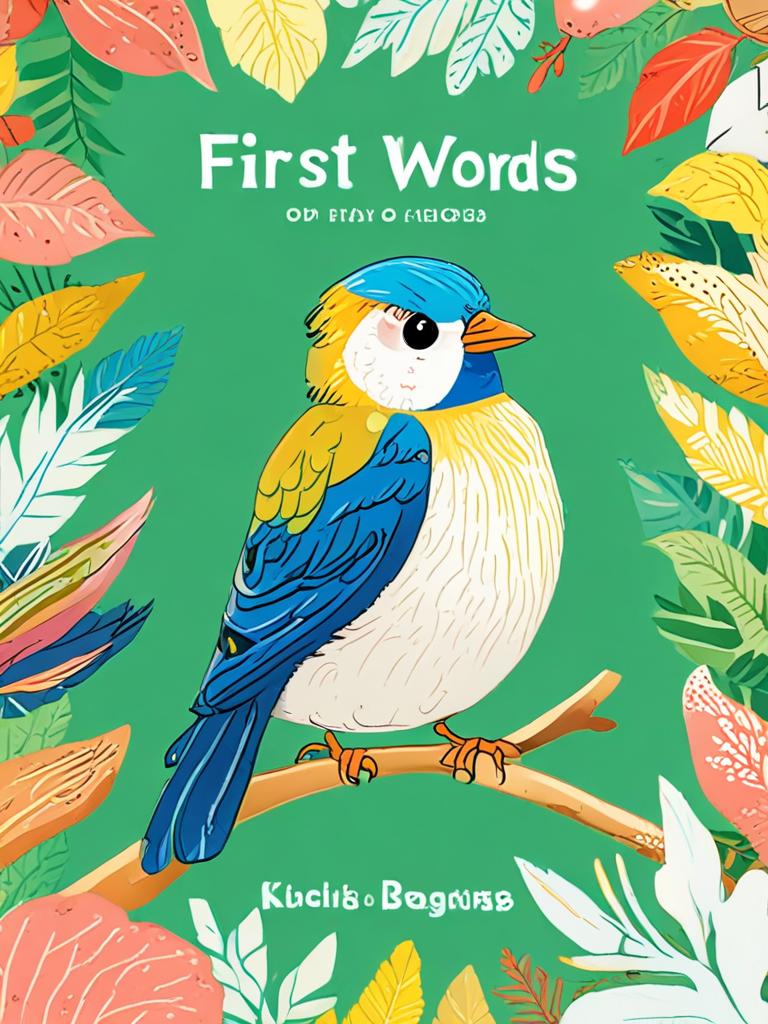
First Words Book on Birds
By Glory Ginah · Education · Professional · 7 pages
Table of contents
- 1. Introduction to Birds
The chapter presented an overview of birds, highlighting their diverse shapes, sizes, and colors. It set the stage for the exploration of different bird species in the subsequent chapters. The scene introduces the concept of birds to toddlers through a book, highlighting their unique characteristics, diverse shapes, sizes, and colors, and sparking curiosity about these creatures. The scene introduces the concept of birds to toddlers through a book, highlighting their unique characteristics, diverse shapes, sizes, and colors, and sparking curiosity about these creatures. The 'First Words Book on Birds' explores various bird habitats, showcasing different ecosystems and how birds adapt to them, introducing concepts like migration and sparking curiosity in young learners
- 2. Common Bird Species
The chapter showcased several well-known bird species, including robins, sparrows, and eagles. It presented interesting facts about each bird, such as their diets and migration patterns. The 'First Words Book on Birds' introduces various bird species found in backyards, highlighting their unique characteristics and abilities, and encouraging young readers to observe and appreciate the natural world. The 'First Words Book on Birds' explores the world of birds of prey, highlighting their hunting skills, adaptations, and unique characteristics, such as sharp talons and piercing eyes, and explains their migration patterns and importance in maintaining nature's balance.
- 3. Conclusion and Further Exploration
The chapter concluded the introduction to birds and encouraged readers to continue learning about these fascinating creatures. It suggested ways for toddlers and adults to explore and appreciate birds in their natural habitats. Readers of the 'First Words Book on Birds' are inspired to learn more about birds after reading the book, noticing them in their surroundings and appreciating their unique characteristics and roles in nature. Readers of the 'First Words Book on Birds' learn about conservation efforts to protect bird species from threats like habitat loss, pollution, and climate change, and are inspired to contribute to conservation through simple actions and supporting organizations. Readers of the 'First Words Book on Birds' learn about conservation efforts to protect bird species from threats like habitat loss, pollution, and climate change, and are inspired to contribute to conservation through simple actions and supporting organizations.
Chapter 1: Introduction to Birds
The chapter presented an overview of birds, highlighting their diverse shapes, sizes, and colors. It set the stage for the exploration of different bird species in the subsequent chapters. The scene introduces the concept of birds to toddlers through a book, highlighting their unique characteristics, diverse shapes, sizes, and colors, and sparking curiosity about these creatures. The scene introduces the concept of birds to toddlers through a book, highlighting their unique characteristics, diverse shapes, sizes, and colors, and sparking curiosity about these creatures. The 'First Words Book on Birds' explores various bird habitats, showcasing different ecosystems and how birds adapt to them, introducing concepts like migration and sparking curiosity in young learners
What are Birds?
In the past, when children first began to learn about the world around them, they were often fascinated by the creatures that lived in it. Among the many fascinating creatures, birds were particularly captivating, with their beautiful feathers, sweet songs, and incredible ability to fly. The "First Words Book on Birds" was designed to introduce toddlers to these amazing creatures, featuring bold and colorful pictures that showcased the diverse shapes, sizes, and colors of birds. As young learners turned the pages of this book, they were able to see the different characteristics that made each bird unique, from the bright plumage of the peacock to the soft feathers of the owl. The book's simple and engaging content made it easy for toddlers to understand and remember the different types of birds, sparking their curiosity and encouraging them to learn more about these incredible animals. With its vibrant illustrations and easy-to-read text, the "First Words Book on Birds" was the perfect starting point for any child's journey into the wonderful world of birds. As the book progressed, it would take young readers on a journey to explore the different habitats, behaviors, and characteristics of various bird species, but it all began with a basic question: what are birds? Birds were creatures that lived in the air, on land, and in water, and they came in a staggering array of shapes and sizes. From the tiny hummingbird to the massive eagle, birds were a diverse group of animals that could be found in almost every corner of the globe. With their remarkable abilities and striking appearances, it was no wonder that birds had captivated the hearts and imaginations of people for centuries.
Bird Habitats
The "First Words Book on Birds" went on to explore the different habitats where birds could be found, showcasing the various environments that these creatures called home. From the dense rainforests to the open grasslands, birds lived in a wide range of ecosystems, each with its unique characteristics and challenges. The book featured pictures of birds in their natural habitats, such as the forest-dwelling robin, the grassland-roaming ostrich, and the water-inhabiting penguin. As young learners turned the pages, they were able to see how different bird species adapted to their environments, from the brightly colored birds of the tropical rainforest to the camouflaged birds of the desert. The book also introduced the concept of migration, where some birds traveled long distances to find food, escape harsh weather, or breed. With its simple and engaging text, the "First Words Book on Birds" helped toddlers understand the complex relationships between birds and their habitats, and how these environments played a crucial role in the lives of these amazing creatures. As the book progressed, it would delve deeper into the behaviors and characteristics of various bird species, but for now, it was enough to spark the curiosity of young learners and encourage them to explore the wonderful world of birds. The vibrant illustrations and easy-to-read text made it easy for toddlers to understand and remember the different habitats of birds, from the frozen tundra to the scorching desert, and everything in between. With its comprehensive and engaging content, the "First Words Book on Birds" was the perfect companion for any child's journey into the fascinating world of birds, and it would continue to inspire and educate young learners as they turned the pages and discovered the wonders of these incredible creatures.
Chapter 2: Common Bird Species
The chapter showcased several well-known bird species, including robins, sparrows, and eagles. It presented interesting facts about each bird, such as their diets and migration patterns. The 'First Words Book on Birds' introduces various bird species found in backyards, highlighting their unique characteristics and abilities, and encouraging young readers to observe and appreciate the natural world. The 'First Words Book on Birds' explores the world of birds of prey, highlighting their hunting skills, adaptations, and unique characteristics, such as sharp talons and piercing eyes, and explains their migration patterns and importance in maintaining nature's balance.
Backyard Birds
In the "First Words Book on Birds", the pages turned to reveal a new set of feathered friends that could be found in many backyards. The robins, with their distinctive red breasts, were shown searching for worms in the grass. Nearby, a sparrow perched on a branch, its brown feathers blending seamlessly into the surrounding foliage. The eagles, with their impressive wingspans, soared overhead, their sharp eyes scanning the ground below for their next meal. As the book showcased these common bird species, it highlighted their unique characteristics, such as the robin's earthworm-hunting abilities and the eagle's incredible flying skills. The sparrows, known for their social nature, were depicted flitting between branches, their sweet songs filling the air. The book's colorful illustrations and simple text made it easy for young learners to understand and remember these fascinating birds. As the pages continued to turn, the "First Words Book on Birds" introduced more bird species, each with its own remarkable abilities and striking appearances, sparking curiosity and wonder in the hearts of its young readers. The book's exploration of backyard birds not only taught children about the different species but also encouraged them to observe and appreciate the natural world around them. With its engaging content and beautiful pictures, the "First Words Book on Birds" was the perfect companion for any young adventurer eager to learn about the amazing world of birds.
Birds of Prey
The "First Words Book on Birds" then delved into the fascinating world of birds of prey, showcasing the impressive hunting skills and remarkable adaptations of these feathered predators. The eagles, hawks, and owls were highlighted, with their sharp talons, hooked beaks, and piercing eyes, demonstrating their unique characteristics and abilities. The book explained how these birds used their incredible eyesight to scan the ground below, searching for small mammals, reptiles, and other prey to snatch up in their powerful talons. The illustrations depicted the eagles soaring through the skies, their broad wings outstretched, while the hawks and owls were shown perched in trees, their acute hearing and exceptional night vision allowing them to detect even the slightest movements. The book also introduced the concept of migration, explaining how some birds of prey traveled long distances to find food, escape harsh weather, or breed, and how they adapted to their environments, from the frozen tundras to the scorching deserts. As the young readers turned the pages, they were amazed by the diverse range of birds of prey, each with its own specialized features and hunting strategies, and they began to appreciate the important role these birds played in maintaining the balance of nature. The "First Words Book on Birds" had not only educated its young audience about the different bird species but had also inspired a sense of wonder and awe for the natural world, encouraging them to continue exploring and learning about the incredible diversity of birds that inhabited our planet. With its engaging narrative and stunning illustrations, the book had sparked a lifelong passion for birdwatching and conservation in the hearts of its young readers, who would carry this knowledge and appreciation with them as they grew and developed into curious and environmentally conscious individuals.
Chapter 3: Conclusion and Further Exploration
The chapter concluded the introduction to birds and encouraged readers to continue learning about these fascinating creatures. It suggested ways for toddlers and adults to explore and appreciate birds in their natural habitats. Readers of the 'First Words Book on Birds' are inspired to learn more about birds after reading the book, noticing them in their surroundings and appreciating their unique characteristics and roles in nature. Readers of the 'First Words Book on Birds' learn about conservation efforts to protect bird species from threats like habitat loss, pollution, and climate change, and are inspired to contribute to conservation through simple actions and supporting organizations. Readers of the 'First Words Book on Birds' learn about conservation efforts to protect bird species from threats like habitat loss, pollution, and climate change, and are inspired to contribute to conservation through simple actions and supporting organizations.
Bird Watching
As the readers of the "First Words Book on Birds" closed the book, they were left with a sense of wonder and curiosity about the fascinating world of birds. The colorful pictures and simple descriptions had sparked an interest in these creatures, and many were eager to learn more. For toddlers, the book had introduced a new and exciting world, full of feathered friends that could be found in their own backyards or in nearby parks. For adults, the book had brought back memories of childhood encounters with birds and had inspired a new appreciation for these amazing animals. As they looked out the window or took a walk outside, they couldn't help but notice the birds that lived in their surroundings. They saw robins hopping across the lawn, sparrows flitting between the trees, and eagles soaring overhead. The book had taught them to recognize these birds and to appreciate their unique characteristics, such as their songs, feathers, and abilities. It had also encouraged them to learn more about the different habitats and behaviors of birds, and to explore the natural world with curiosity and wonder. With their new knowledge, they were able to point out birds to their friends and family, and to share their excitement about these incredible creatures. As they watched the birds, they began to notice the different ways that they interacted with their environments, and they started to appreciate the important role that birds play in maintaining the balance of nature. They saw how birds helped to pollinate plants, disperse seeds, and control insect populations, and they began to understand the interconnectedness of all living things. The "First Words Book on Birds" had opened their eyes to a new world, and had inspired them to continue learning and exploring the fascinating world of birds.
Conservation Efforts
As the readers of the "First Words Book on Birds" continued to learn and appreciate the fascinating world of birds, they began to understand the importance of conservation efforts to protect these incredible creatures. They learned that many bird species were facing threats such as habitat loss, pollution, and climate change, and that it was essential to take action to preserve their populations. The book had inspired them to make a difference, and they started to look for ways to contribute to the conservation of birds. They discovered that simple actions, such as providing bird-friendly habitats in their backyards, reducing pesticide use, and supporting organizations that protected bird habitats, could make a significant impact. They also learned about the importance of reducing waste, conserving water, and protecting natural habitats to ensure the long-term survival of bird species. As they delved deeper into the world of bird conservation, they were amazed by the dedication and passion of the people working to protect these incredible creatures. They met bird enthusiasts, scientists, and conservationists who were working tirelessly to study, protect, and preserve bird populations. They learned about the various initiatives and programs that were being implemented to safeguard bird habitats, monitor population trends, and educate the public about the importance of bird conservation. The readers of the "First Words Book on Birds" were inspired by the stories of people making a difference and were motivated to join the effort. They realized that every small action counted and that collective efforts could lead to significant positive change. With their newfound knowledge and enthusiasm, they were eager to continue learning and contributing to the conservation of birds, ensuring that these incredible creatures would thrive for generations to come. The "First Words Book on Birds" had not only introduced them to the fascinating world of birds but had also empowered them to become part of the solution to protect and preserve these amazing animals.