ID · le-secret-du-pastel-farci-3a48d1f9
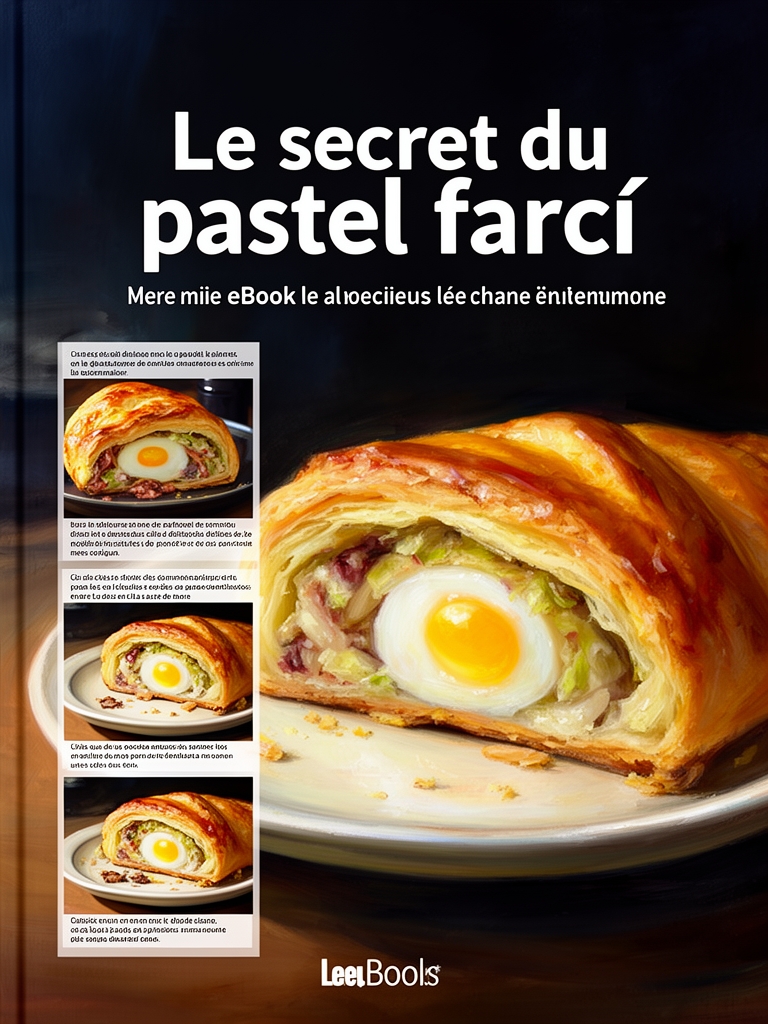
Le secret du pastel farci
By melaine n'guessan · Business · Professional · 18 pages
Table of contents
- 1. Introduction to Stuffed Pastry
This chapter introduces the concept of stuffed pastry and its importance in baking, providing an overview of the ingredients and tools needed. Introduction to pastry making, covering key ingredients, necessary tools, and basic techniques for creating a stuffed pastry with eggs. The scene involves gathering ingredients and tools necessary for making a stuffed pastry with eggs, including flour, butter, eggs, and salt, as well as tools like a mixing bowl, rolling pin, and pastry brush. The scene describes the basics of pastry dough, its ingredients, and the techniques for creating a flaky and flavorful crust. It outlines the roles of flour, butter, eggs, and salt in pastry dough and provides tips for making a good pastry dough, including using cold ingredients, handling the dough gently, and avoiding overmixing. This section compares different types of pastry, including shortcrust, puff, phyllo, and yeast pastry, and provides tips for working with pastry to achieve the right flavor and texture for a stuffed pastry with eggs.
- 2. Assembling and Baking the Pastry
This chapter explains the process of assembling and baking the stuffed pastry, including filling, sealing, and baking the pastry. The scene describes the preparation of the filling for stuffed pastry, focusing on egg filling and the importance of gentle handling, accurate measurement, and balanced flavors to achieve the desired consistency and taste. The scene describes the preparation of the filling for stuffed pastry, focusing on egg filling and the importance of handling eggs gently, adding salt to taste, and whisking the mixture without introducing air. The section also covers common mistakes to avoid, such as overwhisking, and provides tips for troubleshooting and customizing the filling. Assembling the pastry involves rolling out the dough, placing the filling, folding the dough, and sealing the edges to create a secure package. The edges can be sealed using a fork or a pastry brush with water, and the pastry can be customized with different types of dough and toppings. The scene describes the process of baking pastry, including determining baking time based on size and thickness, troubleshooting common issues, and customizing with toppings. It also provides tips for achieving the perfect bake and introduces advanced baking techniques. The section explores variations in making stuffed pastry, including different types of pastry dough, fillings, and toppings, and provides tips for customizing pastry, such as balancing flavors and experimenting with ingredients, as well as advanced techniques like using a stone oven and adding a glaze.
Chapter 1: Introduction to Stuffed Pastry
This chapter introduces the concept of stuffed pastry and its importance in baking, providing an overview of the ingredients and tools needed. Introduction to pastry making, covering key ingredients, necessary tools, and basic techniques for creating a stuffed pastry with eggs. The scene involves gathering ingredients and tools necessary for making a stuffed pastry with eggs, including flour, butter, eggs, and salt, as well as tools like a mixing bowl, rolling pin, and pastry brush. The scene describes the basics of pastry dough, its ingredients, and the techniques for creating a flaky and flavorful crust. It outlines the roles of flour, butter, eggs, and salt in pastry dough and provides tips for making a good pastry dough, including using cold ingredients, handling the dough gently, and avoiding overmixing. This section compares different types of pastry, including shortcrust, puff, phyllo, and yeast pastry, and provides tips for working with pastry to achieve the right flavor and texture for a stuffed pastry with eggs.
Introduction to Pastry Making
Introduction To Pastry
You are about to embark on a journey to create a delicious stuffed pastry with eggs, a classic treat that requires precision and patience. As you begin, it's essential to understand the basics of pastry making, including the necessary ingredients and tools. The art of creating a stuffed pastry involves combining simple ingredients like flour, butter, and eggs to produce a flaky and flavorful crust.
Key Ingredients
To make a stuffed pastry, you will need the following key ingredients:
| Ingredient | Quantity | Description |
|---|---|---|
| Flour | 2 cups | All-purpose flour for the pastry dough |
| Butter | 1 cup | Cold, unsalted butter for the pastry dough |
| Eggs | 2 | Large eggs for the filling and egg wash |
| Salt | 1/2 teaspoon | To enhance the flavor of the pastry |
Pastry Making Tools
In addition to the ingredients, you will need specific tools to prepare and shape your stuffed pastry. These include:
- A mixing bowl to combine the ingredients
- A rolling pin to roll out the pastry dough
- A pastry brush to apply the egg wash
- A cutting tool to shape the pastry into the desired form
As you gather your ingredients and tools, you are one step closer to creating a delicious stuffed pastry with eggs. The process of making the pastry dough and preparing the filling is crucial to the final result.
Illustration
A diagram showing the basic steps of making pastry dough, including mixing, rolling, and shaping
Understanding Pastry Dough
The pastry dough is the foundation of your stuffed pastry. It's made by combining flour, butter, and water, then rolling it out to the desired thickness. The dough must be handled gently to avoid developing the gluten in the flour, which can make the pastry tough. By following the right techniques and using the correct ingredients, you can create a flaky and tender pastry crust that will complement your egg filling perfectly.
You are now ready to move on to the next step in the process, which involves preparing the egg filling and assembling the stuffed pastry. The combination of the flaky pastry crust and the savory egg filling will result in a delicious treat that is sure to impress.
Gathering Ingredients and Tools
Gathering Ingredients
You are gathering the necessary ingredients to make a stuffed pastry with eggs. The ingredients include flour, butter, eggs, and salt. These ingredients are essential for creating a flaky and flavorful pastry crust. To ensure the best results, it's crucial to use high-quality ingredients, such as cold, unsalted butter and large eggs.
Measuring Ingredients
To measure the ingredients accurately, you will need a digital scale or a measuring cup. Measuring the ingredients correctly is vital to achieve the right consistency and texture in the pastry dough. The following table outlines the ingredients and their quantities:
| Ingredient | Quantity | Unit |
|---|---|---|
| Flour | 2 | cups |
| Butter | 1 | cup |
| Eggs | 2 | large |
| Salt | 1/2 | teaspoon |
Preparing Tools
In addition to the ingredients, you need to prepare the necessary tools to make the stuffed pastry. These tools include a mixing bowl, a rolling pin, a pastry brush, and a cutting tool. Each tool plays a crucial role in the pastry-making process, from mixing the ingredients to shaping the pastry into the desired form.
Tool Checklist
To ensure you have all the necessary tools, use the following checklist:
- A large mixing bowl to combine the ingredients
- A rolling pin to roll out the pastry dough
- A pastry brush to apply the egg wash
- A cutting tool to shape the pastry into the desired form
- A digital scale or measuring cup to measure the ingredients accurately
By having all the necessary ingredients and tools, you are well-prepared to move on to the next step in the process, which involves preparing the egg filling and assembling the stuffed pastry.
Illustration
A diagram showing the tools and ingredients needed to make a stuffed pastry, including a mixing bowl, rolling pin, and pastry brush
Tips For Success
To achieve the best results, remember to:
- Use cold ingredients, such as cold butter and eggs, to create a flaky pastry crust
- Handle the pastry dough gently to avoid developing the gluten in the flour
- Measure the ingredients accurately to ensure the right consistency and texture
By following these tips and using the correct ingredients and tools, you can create a delicious stuffed pastry with eggs that is sure to impress.
Understanding Pastry Dough
Understanding Pastry Dough
You are now ready to understand the basics of pastry dough, a crucial component of making a stuffed pastry with eggs. Pastry dough is a mixture of flour, butter, and eggs, which are combined to create a flaky and flavorful crust. The key to making a good pastry dough is to handle the ingredients gently and to use the right techniques to combine them.
Pastry Dough Basics
To create a good pastry dough, you need to understand the role of each ingredient. Flour provides the structure and texture of the pastry, while butter adds flavor and tenderness. Eggs are used to bind the ingredients together and to add moisture to the pastry. The following table outlines the functions of each ingredient:
| Ingredient | Function |
|---|---|
| Flour | Structure and texture |
| Butter | Flavor and tenderness |
| Eggs | Binding and moisture |
| Salt | Flavor enhancement |
Creating The Pastry Dough
To create the pastry dough, you will need to combine the ingredients in a specific order. First, you will need to mix the flour and salt together in a mixing bowl. Then, you will need to add the cold butter to the flour mixture and use a pastry blender or your fingers to work the butter into the flour until the mixture resembles coarse crumbs. Finally, you will need to add the eggs to the mixture and stir until the dough comes together in a ball.
Tips For Making Pastry Dough
To make a good pastry dough, remember to:
- Use cold ingredients, such as cold butter and eggs, to create a flaky pastry crust
- Handle the pastry dough gently to avoid developing the gluten in the flour
- Use the right techniques to combine the ingredients, such as using a pastry blender to work the butter into the flour
- Don't overmix the dough, as this can lead to a tough and dense pastry crust
By following these tips and using the correct ingredients and techniques, you can create a delicious and flaky pastry dough that is perfect for making a stuffed pastry with eggs.
Illustration
A diagram showing the process of creating pastry dough, including mixing the flour and salt, adding the butter, and combining the eggs
Common Mistakes To Avoid
When making pastry dough, there are several common mistakes to avoid. These include:
- Using warm ingredients, such as warm butter or eggs, which can lead to a tough and dense pastry crust
- Overmixing the dough, which can develop the gluten in the flour and lead to a tough pastry crust
- Not using enough butter, which can lead to a dry and flavorless pastry crust
- Not handling the pastry dough gently, which can lead to a tough and dense pastry crust
By avoiding these common mistakes and using the correct ingredients and techniques, you can create a delicious and flaky pastry dough that is perfect for making a stuffed pastry with eggs.
Comparing Pastry Types
Comparing Pastry Types
You are now familiar with the basics of pastry dough and how to create a delicious and flaky crust. However, there are many different types of pastry that you can make, each with its own unique characteristics and uses. In this section, you will learn about the different types of pastry and how to choose the right one for your stuffed pastry with eggs.
Types Of Pastry
There are several types of pastry that you can make, including:
| Type of Pastry | Characteristics | Uses |
|---|---|---|
| Shortcrust Pastry | Flaky, tender, and rich | Savory tartes, quiches, and pies |
| Puff Pastry | Flaky, buttery, and light | Sweet and savory pastries, such as croissants and danishes |
| Phyllo Pastry | Crispy, flaky, and delicate | Sweet and savory pastries, such as baklava and spanakopita |
| Yeast Pastry | Light, airy, and slightly sweet | Sweet pastries, such as doughnuts and cinnamon rolls |
Choosing The Right Pastry
When choosing a type of pastry for your stuffed pastry with eggs, you will need to consider the flavor and texture that you want to achieve. For example, if you want a rich and tender crust, you may want to use a shortcrust pastry. If you want a flaky and buttery crust, you may want to use a puff pastry. By choosing the right type of pastry, you can create a delicious and unique stuffed pastry with eggs that is sure to impress.
Customizing Your Pastry
Once you have chosen a type of pastry, you can customize it to suit your tastes. For example, you can add different herbs and spices to the pastry dough to give it a unique flavor. You can also use different types of fat, such as butter or lard, to create a different texture and flavor. By customizing your pastry, you can create a truly unique and delicious stuffed pastry with eggs.
Illustration
A diagram showing the different types of pastry and their characteristics, including shortcrust, puff, phyllo, and yeast pastry
Tips For Working With Pastry
When working with pastry, there are several tips to keep in mind. These include:
- Keeping the pastry dough cold, as this will help to prevent the butter from melting and the pastry from becoming tough
- Handling the pastry dough gently, as this will help to prevent the gluten from developing and the pastry from becoming tough
- Using the right techniques to roll out the pastry dough, such as using a rolling pin and a light touch
- Not overworking the pastry dough, as this can lead to a tough and dense pastry crust
By following these tips and using the right techniques, you can create a delicious and flaky pastry crust that is perfect for making a stuffed pastry with eggs.
Next Steps
Now that you have learned about the different types of pastry and how to choose the right one for your stuffed pastry with eggs, you are ready to move on to the next step in the process. This involves preparing the egg filling and assembling the stuffed pastry. In the next section, you will learn how to prepare the egg filling and how to assemble the stuffed pastry, including how to fill the pastry crust and how to bake the pastry to perfection.
Chapter 2: Assembling and Baking the Pastry
This chapter explains the process of assembling and baking the stuffed pastry, including filling, sealing, and baking the pastry. The scene describes the preparation of the filling for stuffed pastry, focusing on egg filling and the importance of gentle handling, accurate measurement, and balanced flavors to achieve the desired consistency and taste. The scene describes the preparation of the filling for stuffed pastry, focusing on egg filling and the importance of handling eggs gently, adding salt to taste, and whisking the mixture without introducing air. The section also covers common mistakes to avoid, such as overwhisking, and provides tips for troubleshooting and customizing the filling. Assembling the pastry involves rolling out the dough, placing the filling, folding the dough, and sealing the edges to create a secure package. The edges can be sealed using a fork or a pastry brush with water, and the pastry can be customized with different types of dough and toppings. The scene describes the process of baking pastry, including determining baking time based on size and thickness, troubleshooting common issues, and customizing with toppings. It also provides tips for achieving the perfect bake and introduces advanced baking techniques. The section explores variations in making stuffed pastry, including different types of pastry dough, fillings, and toppings, and provides tips for customizing pastry, such as balancing flavors and experimenting with ingredients, as well as advanced techniques like using a stone oven and adding a glaze.
Preparing the Filling
Introduction To Filling Preparation
You are now ready to prepare the filling for your stuffed pastry. This step is crucial in determining the overall flavor and texture of your final product. The filling typically consists of eggs, and it's essential to prepare them correctly to achieve the desired consistency and taste.
To prepare the egg filling, you will need to start by cracking the eggs into a bowl. It's crucial to handle the eggs gently to avoid getting any shells into the mixture. Once the eggs are in the bowl, you can add salt to taste. The amount of salt you add will depend on your personal preference, but it's essential to note that salt plays a significant role in enhancing the flavor of the eggs.
Key Ingredients For The Filling
The key ingredients for the filling are:
| Ingredient | Quantity | Importance |
|---|---|---|
| Eggs | 2-3 | Main component of the filling |
| Salt | To taste | Enhances flavor |
Preparing The Egg Mixture
You are now ready to prepare the egg mixture. To do this, you will need to whisk the eggs and salt together until they are well combined. It's essential to whisk the mixture gently to avoid introducing air into the eggs. Overwhisking can lead to a tough and rubbery texture, which is undesirable in a stuffed pastry.
As you whisk the eggs, you can add any additional ingredients you like to enhance the flavor. Some options might include chopped herbs, grated cheese, or diced vegetables. The key is to balance the flavors so that the filling complements the pastry without overpowering it.
Tips For Preparing The Egg Mixture
Some tips to keep in mind when preparing the egg mixture include:
- Using room temperature eggs for easier whisking
- Whisking the eggs gently to avoid introducing air
- Adding ingredients gradually to balance the flavors
- Tasting the mixture as you go to ensure the seasoning is correct
Illustration
A diagram showing the process of whisking eggs and adding ingredients to the filling mixture
Common Mistakes To Avoid
As you prepare the filling, there are several common mistakes to avoid. One of the most significant mistakes is overwhisking the eggs, which can lead to a tough and rubbery texture. Another mistake is adding too many ingredients, which can overpower the flavor of the eggs and the pastry.
To avoid these mistakes, it's essential to be gentle when whisking the eggs and to balance the flavors carefully. You should also taste the mixture as you go to ensure the seasoning is correct.
Troubleshooting The Filling
If you encounter any issues with the filling, such as a tough texture or an unbalanced flavor, there are several steps you can take to troubleshoot. These might include:
- Checking the temperature of the eggs to ensure they are at room temperature
- Adjusting the amount of salt or other ingredients to balance the flavors
- Whisking the mixture gently to avoid introducing air
- Adding a small amount of liquid, such as milk or cream, to thin out the mixture and improve the texture
By following these tips and avoiding common mistakes, you can create a delicious and well-balanced filling for your stuffed pastry.
Advanced Techniques For Customizing The Filling
You can also customize the filling to suit your taste preferences by adding various ingredients. Some options might include:
| Ingredient | Description | Effect on Filling |
|---|---|---|
| Chopped herbs | Add fresh or dried herbs like parsley, basil, or thyme | Enhances flavor and aroma |
| Grated cheese | Add grated cheese like cheddar, parmesan, or feta | Adds richness and depth to the filling |
| Diced vegetables | Add diced vegetables like bell peppers, onions, or mushrooms | Adds texture and flavor to the filling |
By experimenting with different ingredients and techniques, you can create a unique and delicious filling for your stuffed pastry.
Assembling the Pastry
Assembling The Pastry
You are now ready to assemble the pastry. This step involves placing the filling inside the pastry dough and sealing the edges to create a secure and even package. To assemble the pastry, you will need to start by rolling out the pastry dough to a thickness of about 1/8 inch. This will give you a large enough surface to place the filling and fold the dough over to create a seal.
Key Steps For Assembling The Pastry
The key steps for assembling the pastry are:
| Step | Description | Importance |
|---|---|---|
| Roll out the pastry dough | Roll the dough to a thickness of about 1/8 inch | Creates a large enough surface for the filling |
| Place the filling | Place the egg filling in the center of the dough | Ensures the filling is evenly distributed |
| Fold the dough | Fold the dough over the filling to create a seal | Creates a secure and even package |
| Seal the edges | Seal the edges of the pastry to prevent filling from escaping | Ensures the filling stays inside the pastry during baking |
Sealing The Edges
To seal the edges of the pastry, you can use a fork to press the dough together or a pastry brush to apply a small amount of water to the edges. This will help create a secure seal and prevent the filling from escaping during baking. It's essential to make sure the edges are sealed tightly to ensure the pastry cooks evenly and the filling stays inside.
Tips For Sealing The Edges
Some tips to keep in mind when sealing the edges include:
- Using a fork to press the dough together for a decorative edge
- Applying a small amount of water to the edges for a secure seal
- Making sure the edges are sealed tightly to prevent filling from escaping
- Using a pastry brush to apply egg wash to the edges for a golden brown finish
Illustration
A diagram showing the process of assembling the pastry and sealing the edges
Baking The Pastry
Once the pastry is assembled and the edges are sealed, you can bake it in a preheated oven. The baking time will depend on the size and thickness of the pastry, but it's typically around 25-35 minutes. You can check the pastry for doneness by looking for a golden brown color and a firm texture.
Troubleshooting Baking Issues
If you encounter any issues with baking, such as a pastry that is too brown or undercooked, there are several steps you can take to troubleshoot. These might include:
- Checking the oven temperature to ensure it is accurate
- Adjusting the baking time to prevent overcooking or undercooking
- Using a pastry shield to prevent the edges from burning
- Rotating the pastry halfway through baking to ensure even cooking
By following these tips and troubleshooting any issues that arise, you can create a delicious and perfectly baked stuffed pastry.
Advanced Techniques For Customizing The Pastry
You can also customize the pastry to suit your taste preferences by using different types of pastry dough or adding various toppings. Some options might include:
| Pastry Type | Description | Effect on Pastry |
|---|---|---|
| Puff Pastry | A flaky and buttery pastry dough | Creates a light and airy texture |
| Shortcrust Pastry | A flaky and tender pastry dough | Creates a rich and flavorful texture |
| Phyllo Pastry | A crispy and delicate pastry dough | Creates a crunchy and savory texture |
| Yeast Pastry | A light and airy pastry dough | Creates a slightly sweet and tender texture |
By experimenting with different types of pastry dough and toppings, you can create a unique and delicious stuffed pastry.
Baking the Pastry
Understanding Baking Times
You are now ready to bake the pastry. This step involves placing the pastry in a preheated oven and cooking it until it is golden brown and firm. To determine the baking time, you will need to consider the size and thickness of the pastry. Generally, a larger and thicker pastry will require a longer baking time, while a smaller and thinner pastry will require a shorter baking time.
Baking Time Guidelines
The following table provides some guidelines for baking times based on the size and thickness of the pastry:
| Pastry Size | Pastry Thickness | Baking Time |
|---|---|---|
| Small | 1/8 inch | 20-25 minutes |
| Medium | 1/8 inch | 25-30 minutes |
| Large | 1/8 inch | 30-35 minutes |
| Small | 1/4 inch | 30-35 minutes |
| Medium | 1/4 inch | 35-40 minutes |
| Large | 1/4 inch | 40-45 minutes |
Troubleshooting Baking Issues
If you encounter any issues with baking, such as a pastry that is too brown or undercooked, there are several steps you can take to troubleshoot. These might include:
- Checking the oven temperature to ensure it is accurate
- Adjusting the baking time to prevent overcooking or undercooking
- Using a pastry shield to prevent the edges from burning
- Rotating the pastry halfway through baking to ensure even cooking
Customizing The Pastry With Toppings
You can also customize the pastry to suit your taste preferences by adding various toppings. Some options might include:
| Topping | Description | Effect on Pastry |
|---|---|---|
| Egg Wash | A mixture of beaten eggs and water | Creates a golden brown finish |
| Cheese | A sprinkle of grated cheese | Adds a rich and savory flavor |
| Herbs | A sprinkle of chopped fresh herbs | Adds a fresh and aromatic flavor |
| Spices | A sprinkle of ground spices | Adds a warm and aromatic flavor |
Illustration
A diagram showing the process of baking the pastry and customizing with toppings
Tips For Achieving The Perfect Bake
To achieve the perfect bake, you will need to consider several factors, including the oven temperature, baking time, and pastry size. Some tips to keep in mind include:
- Using a thermometer to ensure the oven is at the correct temperature
- Rotating the pastry halfway through baking to ensure even cooking
- Checking the pastry for doneness by looking for a golden brown color and a firm texture
- Avoiding overbaking, which can cause the pastry to become dry and tough
By following these tips and troubleshooting any issues that arise, you can create a delicious and perfectly baked stuffed pastry.
Advanced Baking Techniques
For more advanced bakers, there are several techniques you can use to take your pastry to the next level. These might include:
- Using a stone oven to create a crispy and well-cooked crust
- Adding a glaze to the pastry to create a sweet and sticky finish
- Using fresh ingredients to create a flavorful and aromatic pastry
- Experimenting with different types of pastry dough to create a unique and delicious pastry
By experimenting with these advanced techniques, you can create a truly unique and delicious stuffed pastry.
Illustration
A detailed illustration of a stone oven and its benefits for baking pastry
Tips and Variations
Exploring Variations
You are now familiar with the basic process of making a stuffed pastry with eggs. To take your pastry to the next level, you can experiment with various variations, including different types of pastry dough, fillings, and toppings. This section will explore some of these variations and provide tips for customizing your pastry.
Types Of Pastry Dough
There are several types of pastry dough you can use to make a stuffed pastry, each with its own unique characteristics and advantages. The following table summarizes some of the most common types of pastry dough:
| Type of Pastry | Characteristics | Uses |
|---|---|---|
| Shortcrust Pastry | Flaky, tender, and rich | Savory fillings, such as meat or vegetables |
| Puff Pastry | Flaky, buttery, and light | Sweet or savory fillings, such as fruit or cheese |
| Phyllo Pastry | Crispy, flaky, and delicate | Sweet or savory fillings, such as nuts or spinach |
| Yeast Pastry | Light, airy, and slightly sweet | Sweet fillings, such as fruit or cream |
Customizing The Filling
In addition to experimenting with different types of pastry dough, you can also customize the filling to suit your taste preferences. Some options might include:
- Adding herbs or spices to the filling for extra flavor
- Using different types of cheese or meat to create a unique flavor profile
- Adding vegetables or fruits to the filling for extra texture and flavor
- Using eggs or cream to create a rich and creamy filling
Tips For Customizing
When customizing your pastry, there are several tips to keep in mind:
- Balance the flavors in the filling to create a harmonious taste experience
- Experiment with different ingredients and combinations to find the perfect flavor profile
- Consider the texture of the filling and the pastry dough to create a pleasing contrast
- Don't be afraid to try new and unusual ingredients to create a unique and delicious pastry
Illustration
A diagram showing the process of customizing the filling and pastry dough
Advanced Techniques
For more advanced bakers, there are several techniques you can use to take your pastry to the next level. These might include:
- Using a stone oven to create a crispy and well-cooked crust
- Adding a glaze to the pastry to create a sweet and sticky finish
- Using fresh ingredients to create a flavorful and aromatic pastry
- Experimenting with different types of pastry dough to create a unique and delicious pastry
By experimenting with these advanced techniques and customizing your pastry, you can create a truly unique and delicious stuffed pastry.
Illustration
A detailed illustration of a pastry with a glaze and its benefits for flavor and texture