ID · lost-of-god-cbc5ca98
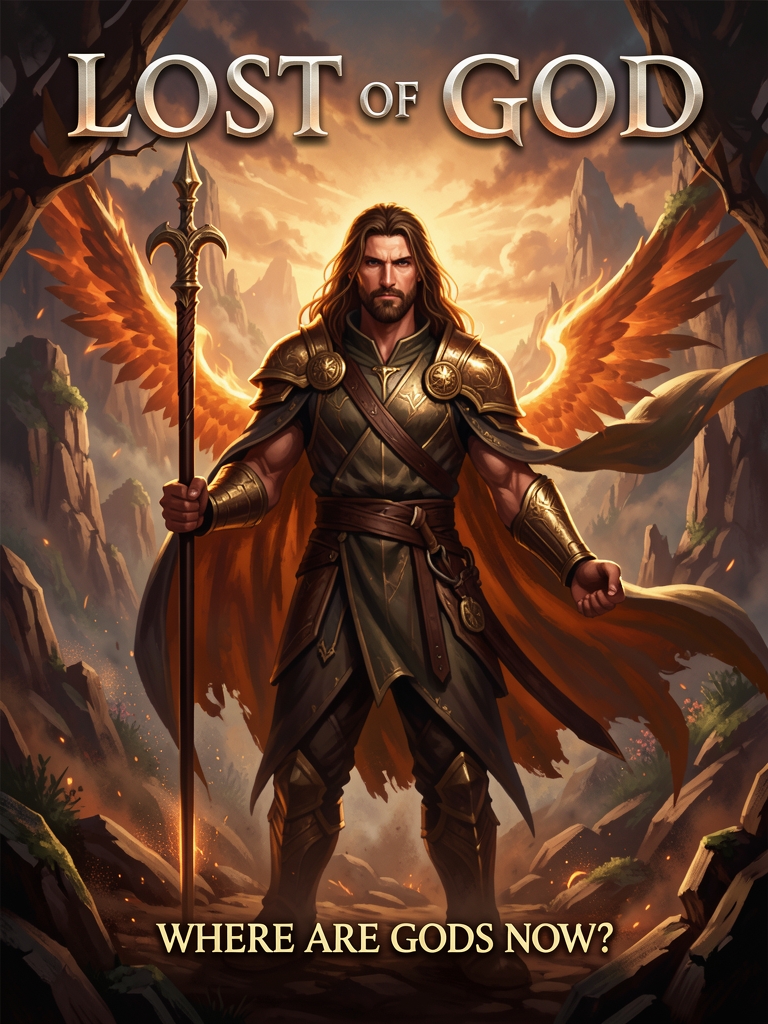
Lost of god
By Prasanna Gorakshnath Deore · Fiction · Professional · 41 pages
Table of contents
- 1. Introduction to the Divine
This chapter introduces the concept of gods and their significance in the past, setting the stage for their disappearance. The concept of gods has been a cornerstone of human society for centuries, with people believing they possess divine powers and are omnipotent beings who can shape the world and its fate. Gods were associated with natural phenomena and were revered and worshiped through grand temples, rituals, and ceremonies. They were believed to be responsible for creation, protection, punishment, and inspiration, and their influence shaped art, literature, and culture. The concept of godhood is complex and multifaceted, encompassing a wide range of beliefs and practices, including the idea of gods as omnipotent, omniscient, and eternal beings with divine powers, associated with natural phenomena, and worshiped through reverence and devotion. The concept of godhood has a rich and complex historical context, spanning thousands of years and encompassing various cultures and civilizations, with gods believed to possess divine powers, be omnipotent and omniscient, and associated with natural phenomena. The gods suddenly and mysteriously disappeared, leaving humanity stunned and bewildered. The event had a profound impact on human society and the natural world, causing panic, rioting, and disruption of the balance and order of the universe. The gods' sudden and mysterious disappearance has left humanity stunned, bewildered, and forced to confront their own mortality and vulnerability. The event has raised questions about the nature of godhood, the role of gods in human society, and the impact on the natural world.
- 2. The Search for Answers
This chapter follows the journey of a group of characters as they search for answers about the disappearance of the gods. A group of characters, Eira, Arin, and Lila, gather at the edge of a forest to embark on a journey to uncover the truth about the disappearance of the gods. They each have unique skills and motivations, and their journey will take them to the Temple of the Ancients, a long-abandoned ruin deep in the forest. The group encounters obstacles on their journey to the Temple of the Ancients, including a treacherous river, fierce creatures, and rival treasure hunters. They work together, using their unique skills to overcome challenges and eventually reach the temple. The group ventures deeper into the Temple of the Ancients, discovering a series of intricate carvings and symbols that lead to a hidden room filled with ancient artifacts and relics. They uncover clues about the disappearance of the gods, including their involvement in a great struggle and their association with natural phenomena. The group explores a hidden room in the Temple of the Ancients, discovering ancient texts and artifacts that reveal the history of the gods and their disappearance. They learn about the gods' powers, their role in maintaining the balance of the universe, and the consequences of their disappearance.
- 3. The Truth Revealed
This chapter reveals the truth about the disappearance of the gods, providing a conclusion to the story. Eira, Arin, and Lila reach the heart of the Temple of the Ancients and discover a leather-bound book that reveals the truth about the disappearance of the gods. The book contains ancient text and illustrations that speak of the gods' role in maintaining the balance of the universe, their powers, struggles, and ultimate disappearance. The group discovers the truth about the gods and their disappearance, realizing the profound impact it has on their understanding of the world. They discuss the implications and decide to share their findings with the world, despite potential risks and obstacles. The group shares their discovery of the gods' disappearance with the world, facing opposition and resistance, but persevering to build a new movement that seeks to understand and come to terms with the gods' absence. They preach a gospel of self-reliance and determination, urging people to work together towards a common goal, and attract attention from powerful forces, finding allies and opponents in their quest to create a new world order. The group's message of self-reliance and determination spreads globally, attracting people from all walks of life. They work together to build a new world, navigating complex alliances and opposition, and remain focused on their mission to create a better future.
Chapter 1: Introduction to the Divine
This chapter introduces the concept of gods and their significance in the past, setting the stage for their disappearance. The concept of gods has been a cornerstone of human society for centuries, with people believing they possess divine powers and are omnipotent beings who can shape the world and its fate. Gods were associated with natural phenomena and were revered and worshiped through grand temples, rituals, and ceremonies. They were believed to be responsible for creation, protection, punishment, and inspiration, and their influence shaped art, literature, and culture. The concept of godhood is complex and multifaceted, encompassing a wide range of beliefs and practices, including the idea of gods as omnipotent, omniscient, and eternal beings with divine powers, associated with natural phenomena, and worshiped through reverence and devotion. The concept of godhood has a rich and complex historical context, spanning thousands of years and encompassing various cultures and civilizations, with gods believed to possess divine powers, be omnipotent and omniscient, and associated with natural phenomena. The gods suddenly and mysteriously disappeared, leaving humanity stunned and bewildered. The event had a profound impact on human society and the natural world, causing panic, rioting, and disruption of the balance and order of the universe. The gods' sudden and mysterious disappearance has left humanity stunned, bewildered, and forced to confront their own mortality and vulnerability. The event has raised questions about the nature of godhood, the role of gods in human society, and the impact on the natural world.
The Role of Gods
### The concept of gods had been a cornerstone of human society for centuries, with their significance and influence felt in every aspect of life. They were believed to possess divine powers, allowing them to shape the world and its fate. The people of the past looked up to them as omnipotent beings, capable of granting blessings and unleashing wrath. The role of gods was multifaceted, ranging from protecting their followers to maintaining balance and order in the universe.
In the past, gods were often associated with natural phenomena, such as the sun, moon, and weather. They were believed to have control over these elements, and their actions were thought to have a direct impact on the lives of humans. For example, a god of agriculture might be invoked to ensure a bountiful harvest, while a god of war might be called upon to grant victory in battle. The people believed that by worshiping and appeasing these gods, they could influence the course of their lives and the world around them.
The significance of gods can be seen in the way they were revered and worshiped. Grand temples and monuments were built in their honor, and elaborate rituals and ceremonies were performed to appease them. The people believed that by showing devotion and loyalty to their gods, they could earn their favor and protection. This belief was so strong that it shaped the very fabric of society, influencing art, literature, and culture. As one historian noted, "The gods were not just distant figures, but an integral part of everyday life, shaping the way people thought, acted, and interacted with one another."
Some of the key aspects of the role of gods include:
- Creation and maintenance of the universe: Gods were believed to have created the world and everything in it, and were responsible for maintaining the balance and order of the universe.
- Protection and guidance: Gods were thought to offer protection and guidance to their followers, helping them navigate the challenges of life and granting them wisdom and knowledge.
- Punishment and reward: Gods were believed to have the power to punish the wicked and reward the righteous, serving as a moral authority and upholding justice.
- Inspiration and influence: Gods were often invoked as a source of inspiration, influencing art, literature, and culture, and shaping the way people thought and acted.
The people of the past had a deep understanding of the role of gods, and their lives were shaped by this understanding. As one philosopher said, "The gods are not just abstract concepts, but living, breathing beings that shape our lives and our world." This belief was so profound that it has left a lasting impact on human society, even after the disappearance of the gods. The question of what happened to these divine beings remains a mystery, and one that has puzzled scholars and theologians for centuries.
The Concept of Godhood
### The concept of godhood was complex and multifaceted, encompassing a wide range of beliefs and practices. At its core, the idea of godhood referred to the state of being a god, with all the powers and responsibilities that entailed. This included the ability to shape the world, grant blessings and punishments, and maintain the balance of the universe. The people of the past believed that gods were not just powerful beings, but also omnipotent and omniscient, with complete knowledge and control over all aspects of life.
The association of gods with natural phenomena was a key aspect of the concept of godhood. For example, the ancient Greeks believed in a god of the sun, Helios, who was thought to ride across the sky each day in a chariot of fire. Similarly, the ancient Egyptians worshiped a god of the Nile, Hapi, who was believed to bring fertility and abundance to the land. These gods were not just abstract concepts, but living, breathing beings that were thought to have a direct impact on the lives of humans. As one ancient text noted, "The gods are not just distant figures, but are intimately connected with the natural world, shaping the course of our lives and the world around us."
Some of the key characteristics of gods included:
- Divine powers: Gods were believed to possess supernatural abilities, such as the power to heal, to grant wisdom, and to control the forces of nature.
- Omnipotence: Gods were thought to be all-powerful, with the ability to shape the world and its fate.
- Omniscience: Gods were believed to be all-knowing, with complete knowledge of the past, present, and future.
- Eternity: Gods were thought to be eternal, existing outside of the bounds of time and space.
The concept of godhood also encompassed the idea of worship and reverence. The people of the past believed that by showing devotion and loyalty to their gods, they could earn their favor and protection. This belief was so strong that it shaped the very fabric of society, influencing art, literature, and culture. For example, the ancient Greeks built grand temples in honor of their gods, such as the Parthenon, which was dedicated to the goddess Athena. Similarly, the ancient Romans performed elaborate rituals and ceremonies to appease their gods, such as the Festival of Saturnalia, which was held in honor of the god Saturn.
As one scholar noted, "The concept of godhood is complex and multifaceted, encompassing a wide range of beliefs and practices. It is a testament to the power and significance of the gods in human society, and a reminder of the enduring impact they have had on our world." The question of what happened to these divine beings remains a mystery, and one that has puzzled scholars and theologians for centuries. Some possible explanations for their disappearance include:
- Natural phenomena: Some scholars believe that the gods may have been associated with natural phenomena, such as the sun or the moon, and that their disappearance may be linked to changes in these phenomena.
- Human actions: Others believe that the gods may have been driven away by human actions, such as the destruction of the environment or the neglect of traditional practices.
- Cosmic events: A third theory is that the gods may have been affected by cosmic events, such as the movement of the stars or the alignment of the planets.
Regardless of the explanation, the disappearance of the gods has had a profound impact on human society, leaving a lasting legacy that continues to shape our world today. As one philosopher said, "The gods may be gone, but their influence remains, a reminder of the power and significance of the divine in human life."
The significance of the gods can be seen in the way they were revered and worshiped. Grand temples and monuments were built in their honor, and elaborate rituals and ceremonies were performed to appease them. The people believed that by showing devotion and loyalty to their gods, they could earn their favor and protection. This belief was so strong that it shaped the very fabric of society, influencing art, literature, and culture. For example, the ancient Greeks believed in a god of wisdom, Athena, who was thought to grant wisdom and knowledge to those who worshiped her. Similarly, the ancient Romans believed in a god of war, Mars, who was thought to grant victory and strength to those who worshiped him.
Some of the key takeaways from the concept of godhood include:
- The gods were believed to possess divine powers and to be omnipotent and omniscient.
- The gods were associated with natural phenomena and were thought to have a direct impact on the lives of humans.
- The concept of godhood encompassed the idea of worship and reverence, with the people of the past believing that by showing devotion and loyalty to their gods, they could earn their favor and protection.
- The disappearance of the gods has had a profound impact on human society, leaving a lasting legacy that continues to shape our world today.
The people of the past had a deep understanding of the role of gods, and their lives were shaped by this understanding. As one philosopher said, "The gods are not just abstract concepts, but living, breathing beings that shape our lives and our world." This belief was so profound that it has left a lasting impact on human society, even after the disappearance of the gods. The question of what happened to these divine beings remains a mystery, and one that has puzzled scholars and theologians for centuries.
### In conclusion, the concept of godhood is complex and multifaceted, encompassing a wide range of beliefs and practices. The gods were believed to possess divine powers and to be omnipotent and omniscient, and were associated with natural phenomena. The concept of godhood also encompassed the idea of worship and reverence, with the people of the past believing that by showing devotion and loyalty to their gods, they could earn their favor and protection. The disappearance of the gods has had a profound impact on human society, leaving a lasting legacy that continues to shape our world today.
Some of the key procedures for understanding the concept of godhood include:
- Studying the beliefs and practices of ancient cultures, such as the ancient Greeks and Romans.
- Examining the role of gods in natural phenomena, such as the sun and the moon.
- Analyzing the concept of worship and reverence, and how it shaped the lives of people in the past.
- Investigating the possible explanations for the disappearance of the gods, such as natural phenomena, human actions, and cosmic events.
By following these procedures, we can gain a deeper understanding of the concept of godhood and its significance in human society. We can also learn more about the role of gods in shaping our world and our lives, and how their disappearance has impacted human society. As one scholar noted, "The concept of godhood is a complex and multifaceted topic, and one that requires careful study and analysis. By exploring this topic, we can gain a deeper understanding of the human experience and the role of the divine in our lives."
The concept of godhood is a rich and fascinating topic, and one that continues to capture the imagination of people around the world. Whether we believe in the existence of gods or not, the concept of godhood remains an important part of human culture and society, shaping our art, literature, and culture. As one philosopher said, "The gods may be gone, but their influence remains, a reminder of the power and significance of the divine in human life."
### The significance of the gods can be seen in the way they were revered and worshiped. Grand temples and monuments were built in their honor, and elaborate rituals and ceremonies were performed to appease them. The people believed that by showing devotion and loyalty to their gods, they could earn their favor and protection. This belief was so strong that it shaped the very fabric of society, influencing art, literature, and culture. For example, the ancient Greeks believed in a god of theater, Dionysus, who was thought to grant inspiration and creativity to those who worshiped him. Similarly, the ancient Romans believed in a god of love, Venus, who was thought to grant passion and beauty to those who worshiped her.
Some of the key checklists for understanding the concept of godhood include:
- The gods were believed to possess divine powers and to be omnipotent and omniscient.
- The gods were associated with natural phenomena and were thought to have a direct impact on the lives of humans.
- The concept of godhood encompassed the idea of worship and reverence, with the people of the past believing that by showing devotion and loyalty to their gods, they could earn their favor and protection.
- The disappearance of the gods has had a profound impact on human society, leaving a lasting legacy that continues to shape our world today.
By using these checklists, we can gain a deeper understanding of the concept of godhood and its significance in human society. We can also learn more about the role of gods in shaping our world and our lives, and how their disappearance has impacted human society. As one scholar noted, "The concept of godhood is a complex and multifaceted topic, and one that requires careful study and analysis. By exploring this topic, we can gain a deeper understanding of the human experience and the role of the divine in our lives."
The concept of godhood is a rich and fascinating topic, and one that continues to capture the imagination of people around the world. Whether we believe in the existence of gods or not, the concept of godhood remains an important part of human culture and society, shaping our art, literature, and culture. As one philosopher said, "The gods may be gone, but their influence remains, a reminder of the power and significance of the divine in human life."
### In conclusion, the concept of godhood is complex and multifaceted, encompassing a wide range of beliefs and practices. The gods were believed to possess divine powers and to be omnipotent and omniscient, and were associated with natural phenomena. The concept of godhood also encompassed the idea of worship and reverence, with the people of the past believing that by showing devotion and loyalty to their gods, they could earn their favor and protection. The disappearance of the gods has had a profound impact on human society, leaving a lasting legacy that continues to shape our world today.
The people of the past had a deep understanding of the role of gods, and their lives were shaped by this understanding. As one philosopher said, "The gods are not just abstract concepts, but living, breathing beings that shape our lives and our world." This belief was so profound that it has left a lasting impact on human society, even after the disappearance of the gods. The question of what happened to these divine beings remains a mystery, and one that has puzzled scholars and theologians for centuries.
Some of the key examples of the concept of godhood include:
- The ancient Greek god Zeus, who was believed to be the king of the gods and to possess control over the weather.
- The ancient Roman god Jupiter, who was believed to be the king of the gods and to possess control over the sky and the thunder.
- The ancient Egyptian god Ra, who was believed to be the sun god and to possess control over the creation and maintenance of the universe.
By studying these examples, we can gain a deeper understanding of the concept of godhood and its significance in human society. We can also learn more about the role of gods in shaping our world and our lives, and how their disappearance has impacted human society. As one scholar noted, "The concept of godhood is a complex and multifaceted topic, and one that requires careful study and analysis. By exploring this topic, we can gain a deeper understanding of the human experience and the role of the divine in our lives."
The concept of godhood is a rich and fascinating topic, and one that continues to capture the imagination of people around the world. Whether we believe in the existence of gods or not, the concept of godhood remains an important part of human culture and society, shaping our art, literature, and culture. As one philosopher said, "The gods may be gone, but their influence remains, a reminder of the power and significance of the divine in human life."
### The significance of the gods can be seen in the way they were revered and worshiped. Grand temples and monuments were built in their honor, and elaborate rituals and ceremonies were performed to appease them. The people believed that by showing devotion and loyalty to their gods, they could earn their favor and protection. This belief was so strong that it shaped the very fabric of society, influencing art, literature, and culture. For example, the ancient Greeks believed in a god of wisdom, Athena, who was thought to grant wisdom and knowledge to those who worshiped her. Similarly, the ancient Romans believed in a god of war, Mars, who was thought to grant victory and strength to those who worshiped him.
Some of the key takeaways from the concept of godhood include:
- The gods were believed to possess divine powers and to be omnipotent and omniscient.
- The gods were associated with natural phenomena and were thought to have a direct impact on the lives of humans.
- The concept of godhood encompassed the idea of worship and reverence, with the people of the past believing that by showing devotion and loyalty to their gods, they could earn their favor and protection.
- The disappearance of the gods has had a profound impact on human society, leaving a lasting legacy that continues to shape our world today.
By using these takeaways, we can gain a deeper understanding of the concept of godhood and its significance in human society. We can also learn more about the role of gods in shaping our world and our lives, and how their disappearance has impacted human society. As one scholar noted, "The concept of godhood is a
The Historical Context
### The historical context of the concept of godhood is a rich and complex one, spanning thousands of years and encompassing a wide range of cultures and civilizations. In ancient Greece, for example, the gods were believed to reside on Mount Olympus, a mythical mountain that was thought to be the dwelling place of the gods. The Greeks believed in a pantheon of gods, each with their own distinct powers and personalities, such as Zeus, the king of the gods, and Poseidon, the god of the sea.
The ancient Egyptians also had a complex pantheon of gods, with each god associated with a particular aspect of nature or human life. For example, Ra was the god of the sun, while Isis was the goddess of motherhood and fertility. The Egyptians believed that their gods were intimately connected with the natural world, and that they played a crucial role in maintaining the balance and order of the universe.
In addition to their association with natural phenomena, the gods were also believed to have a direct impact on human life. The ancient Romans, for example, believed that their gods could grant them victory in battle, or bring them good fortune and prosperity. The Romans also believed in a concept called fatum, or fate, which held that the gods had predetermined the course of human events, and that individual humans were powerless to change their destiny.
Some of the key characteristics of the historical context of godhood include:
- A belief in a pantheon of gods, each with their own distinct powers and personalities.
- An association of gods with natural phenomena, such as the sun, moon, and stars.
- A belief in the intervention of gods in human life, either through direct action or through the granting of favors and blessings.
- A concept of fate or destiny, which held that the gods had predetermined the course of human events.
The historical context of godhood also encompasses a wide range of rituals and practices, such as sacrifice, prayer, and divination. For example, the ancient Greeks would often sacrifice animals to their gods, in the hopes of gaining their favor and protection. The ancient Romans, on the other hand, would often consult with augurs, or diviners, in order to determine the will of the gods.
Some of the key takeaways from the historical context of godhood include:
- The concept of godhood is complex and multifaceted, encompassing a wide range of beliefs and practices.
- The gods were believed to possess divine powers and to be omnipotent and omniscient.
- The gods were associated with natural phenomena and were thought to have a direct impact on human life.
- The concept of godhood encompassed a wide range of rituals and practices, such as sacrifice, prayer, and divination.
As one historian noted, "The concept of godhood is a rich and complex one, spanning thousands of years and encompassing a wide range of cultures and civilizations. By studying the historical context of godhood, we can gain a deeper understanding of the role of gods in human society, and how their disappearance has impacted our world today."
The people of the past had a deep understanding of the role of gods, and their lives were shaped by this understanding. As one philosopher said, "The gods are not just abstract concepts, but living, breathing beings that shape our lives and our world." This belief was so profound that it has left a lasting impact on human society, even after the disappearance of the gods.
Some of the key procedures for understanding the historical context of godhood include:
- Studying the beliefs and practices of ancient cultures, such as the ancient Greeks and Romans.
- Examining the role of gods in natural phenomena, such as the sun and the moon.
- Analyzing the concept of worship and reverence, and how it shaped the lives of people in the past.
- Investigating the possible explanations for the disappearance of the gods, such as natural phenomena, human actions, and cosmic events.
By following these procedures, we can gain a deeper understanding of the historical context of godhood and its significance in human society. We can also learn more about the role of gods in shaping our world and our lives, and how their disappearance has impacted human society. As one scholar noted, "The concept of godhood is a complex and multifaceted topic, and one that requires careful study and analysis. By examining the historical context of godhood, we can gain a deeper understanding of the role of gods in human society, and how their disappearance has impacted our world today."
### In order to understand the concept of godhood, it is essential to examine the historical context in which it developed. This includes studying the beliefs and practices of ancient cultures, such as the ancient Greeks and Romans, and examining the role of gods in natural phenomena, such as the sun and the moon. By analyzing the concept of worship and reverence, and how it shaped the lives of people in the past, we can gain a deeper understanding of the significance of godhood in human society.
Some of the key examples of the historical context of godhood include:
- The ancient Greek concept of Moira, or fate, which held that the gods had predetermined the course of human events.
- The ancient Roman concept of numina, or divine presence, which held that the gods were present in all aspects of life.
- The ancient Egyptian concept of ma'at, or balance and order, which held that the gods played a crucial role in maintaining the balance and order of the universe.
These examples illustrate the complex and multifaceted nature of the concept of godhood, and demonstrate the significance of the historical context in understanding its development and impact. As one historian noted, "The concept of godhood is a rich and complex one, spanning thousands of years and encompassing a wide range of cultures and civilizations. By examining the historical context of godhood, we can gain a deeper understanding of the role of gods in human society, and how their disappearance has impacted our world today."
The significance of the gods can be seen in the way they were revered and worshiped. Grand temples and monuments were built in their honor, and elaborate rituals and ceremonies were performed to appease them. The people believed that by showing devotion and loyalty to their gods, they could earn their favor and protection. This belief was so strong that it shaped the very fabric of society, influencing art, literature, and culture. For example, the ancient Greeks believed in a god of wisdom, Athena, who was thought to grant wisdom and knowledge to those who worshiped her. Similarly, the ancient Romans believed in a god of war, Mars, who was thought to grant victory and strength to those who worshiped him.
The people of the past had a deep understanding of the role of gods, and their lives were shaped by this understanding. As one philosopher said, "The gods are not just abstract concepts, but living, breathing beings that shape our lives and our world." This belief was so profound that it has left a lasting impact on human society, even after the disappearance of the gods. The question of what happened to these divine beings remains a mystery, and one that has puzzled scholars and theologians for centuries.
### In conclusion, the historical context of the concept of godhood is a rich and complex one, spanning thousands of years and encompassing a wide range of cultures and civilizations. The gods were believed to possess divine powers and to be omnipotent and omniscient, and were associated with natural phenomena. The concept of godhood also encompassed the idea of worship and reverence, with the people of the past believing that by showing devotion and loyalty to their gods, they could earn their favor and protection. The disappearance of the gods has had a profound impact on human society, leaving a lasting legacy that continues to shape our world today.
Some of the key checklists for understanding the historical context of godhood include:
- Studying the beliefs and practices of ancient cultures, such as the ancient Greeks and Romans.
- Examining the role of gods in natural phenomena, such as the sun and the moon.
- Analyzing the concept of worship and reverence, and how it shaped the lives of people in the past.
- Investigating the possible explanations for the disappearance of the gods, such as natural phenomena, human actions, and cosmic events.
By following these checklists, we can gain a deeper understanding of the historical context of godhood and its significance in human society. We can also learn more about the role of gods in shaping our world and our lives, and how their disappearance has impacted human society. As one scholar noted, "The concept of godhood is a complex and multifaceted topic, and one that requires careful study and analysis. By examining the historical context of godhood, we can gain a deeper understanding of the role of gods in human society, and how their disappearance has impacted our world today."
The Disappearance
### The disappearance of the gods was a sudden and mysterious event that left humanity stunned and bewildered. One day, the gods were there, watching over humanity and guiding their destinies, and the next, they were gone. The people of the world were left to pick up the pieces and try to make sense of what had happened. This event raised questions about the nature of godhood and the role of gods in human society, particularly given the fact that the gods were believed to be eternal and omnipotent.
As the news of the gods' disappearance spread, people began to panic and riot. Without the gods to guide and protect them, they felt lost and vulnerable. The temples and monuments that had once been the centers of worship and devotion were now empty and silent, a reminder of what had been lost. The people of the world were forced to confront the possibility that they were truly alone in the universe, and that the gods had abandoned them. This abandonment was particularly puzzling, given the gods' supposed omniscience and ability to see into the hearts of humans.
The disappearance of the gods also had a profound impact on the natural world. Without the gods to maintain the balance and order of the universe, the natural world began to unravel. The skies grew dark, the oceans became turbulent, and the earth began to shake. The people of the world were faced with the very real possibility of destruction and chaos, and they were forced to band together in order to survive. This chaos was a far cry from the balance and order that the gods were believed to have maintained.
Some of the key takeaways from the disappearance of the gods include:
- The sudden and mysterious nature of the event, which left humanity stunned and bewildered.
- The impact on human society, including the panic and rioting that followed.
- The effect on the natural world, including the disruption of the balance and order of the universe.
- The need for humanity to come together in order to survive and rebuild.
As one scholar noted, "The disappearance of the gods was a turning point in human history, marking the end of one era and the beginning of another. It forced humanity to confront its own mortality and vulnerability, and to find new ways to survive and thrive in a world without divine guidance." This scholar also pointed out that the disappearance of the gods raised questions about the limits of their power, given that they were unable to prevent their own disappearance.
The people of the world were left to wonder what had caused the gods to disappear, and whether they would ever return. Some believed that the gods had been driven away by human actions, such as greed, corruption, and violence. Others believed that the gods had simply lost interest in humanity, and had moved on to other pursuits. Still, others believed that the gods were still out there, watching and waiting, and that they would one day return to reclaim their place in the world. These theories were speculative, and there was no clear evidence to support any of them.
Some of the key procedures for understanding the disappearance of the gods include:
- Studying the historical context of the event, including the social, cultural, and economic factors that may have contributed to it.
- Examining the impact on human society, including the effects on politics, religion, and culture.
- Investigating the possible explanations for the disappearance, including natural phenomena, human actions, and cosmic events.
- Analyzing the role of the gods in the natural world, and the effects of their disappearance on the balance and order of the universe.
By following these procedures, we can gain a deeper understanding of the disappearance of the gods, and the impact it had on human society. We can also learn more about the role of the gods in shaping our world, and how their disappearance has affected our lives today. The disappearance of the gods has also raised questions about the nature of godhood and the role of gods in human society, particularly given the fact that the gods were believed to be all-powerful and all-knowing.
The disappearance of the gods has also raised questions about the meaning of life and the purpose of human existence. If the gods are truly gone, then what does that mean for our understanding of the world and our place in it? Does it mean that we are truly alone in the universe, or is there something more out there waiting to be discovered? These are questions that have puzzled scholars and theologians for centuries, and ones that continue to be debated and discussed today.
Some of the key examples of the impact of the disappearance of the gods include:
- The rise of new religions and spiritual movements, as people seek to fill the void left by the gods.
- The increase in scientific inquiry and exploration, as people seek to understand the natural world and the universe.
- The growth of new forms of art and literature, as people seek to express their emotions and experiences in a world without divine guidance.
- The development of new philosophies and ideologies, as people seek to make sense of the world and their place in it.
As one philosopher said, "The disappearance of the gods has forced us to confront our own mortality and vulnerability, and to find new ways to survive and thrive in a world without divine guidance. It has also given us the opportunity to create our own meaning and purpose, and to forge our own path in the world." This philosopher also noted that the disappearance of the gods has raised questions about the limits of human knowledge and understanding, and the possibilities of human existence.
Chapter 2: The Search for Answers
This chapter follows the journey of a group of characters as they search for answers about the disappearance of the gods. A group of characters, Eira, Arin, and Lila, gather at the edge of a forest to embark on a journey to uncover the truth about the disappearance of the gods. They each have unique skills and motivations, and their journey will take them to the Temple of the Ancients, a long-abandoned ruin deep in the forest. The group encounters obstacles on their journey to the Temple of the Ancients, including a treacherous river, fierce creatures, and rival treasure hunters. They work together, using their unique skills to overcome challenges and eventually reach the temple. The group ventures deeper into the Temple of the Ancients, discovering a series of intricate carvings and symbols that lead to a hidden room filled with ancient artifacts and relics. They uncover clues about the disappearance of the gods, including their involvement in a great struggle and their association with natural phenomena. The group explores a hidden room in the Temple of the Ancients, discovering ancient texts and artifacts that reveal the history of the gods and their disappearance. They learn about the gods' powers, their role in maintaining the balance of the universe, and the consequences of their disappearance.
The Journey Begins
The group of characters, each with their own unique skills and motivations, gathered at the edge of the forest, ready to embark on their journey to uncover the truth about the disappearance of the gods. They had all been affected by the sudden and mysterious event, and each had their own reasons for wanting to find out what had happened. There was Eira, a young and talented scholar, who had spent years studying the ancient lore and mythology of the gods. She was determined to use her knowledge to help uncover the truth. Then there was Arin, a skilled warrior, who had lost his family in the chaos that followed the gods' disappearance. He was driven by a desire for justice and revenge. Finally, there was Lila, a mysterious and powerful seer, who claimed to have had visions of the gods' fate. She was quiet and enigmatic, but her presence seemed to command respect.
As they prepared to set out, Eira explained that their journey would take them to the Temple of the Ancients, a long-abandoned ruin that was said to hold the secrets of the gods. The temple was located deep in the heart of the forest, and the journey would be treacherous. But Eira was convinced that it was the only place where they might find the answers they were looking for. Arin nodded in agreement, his hand on the hilt of his sword. Lila simply smiled, her eyes glinting with an otherworldly intensity.
The group set out, following a winding path that led them deeper into the forest. As they walked, they noticed that the trees seemed to be growing taller and the air was growing thick with an eerie, unnatural silence. Eira explained that this was a sign of the disruption of the natural balance, a consequence of the gods' disappearance. The group pressed on, undaunted, driven by their determination to uncover the truth.
Some of the key questions that the group hoped to answer on their journey included:
- What caused the gods to disappear?
- Will the gods ever return?
- What is the significance of the disappearance of gods in human society?
- How did the concept of godhood develop over time?
- What does the disappearance of the gods mean for humanity's understanding of the world and their place in it?
As they journeyed deeper into the forest, the group encountered numerous challenges and obstacles, including treacherous terrain, fierce creatures, and rival treasure hunters. But they persevered, using their skills and ingenuity to overcome each hurdle. Along the way, they discovered clues and hints that suggested the gods' disappearance was not a random event, but rather the result of a complex and sinister plot. The group began to realize that their journey was not just about uncovering the truth, but also about uncovering the secrets of their own past and the true nature of the world they lived in.
Encountering Obstacles
As the group ventured deeper into the forest, they encountered their first major obstacle: a fast-moving river that flowed through the heart of the woods. The river was swollen from recent rains, and its waters were treacherous and unpredictable. Eira studied the river, trying to determine the best way to cross it. She suggested that they follow the river upstream, looking for a shallow point or a natural crossing. Arin disagreed, arguing that they should try to find a way to ford the river immediately, rather than wasting time searching for a safer crossing. Lila remained silent, her eyes fixed on the river as if she were seeing something that the others could not.
The group decided to follow Eira's plan, and they set off upstream, searching for a safe crossing point. As they walked, they noticed that the river was having a strange effect on the surrounding environment. The plants and trees seemed to be withering and dying, and the air was filled with an unnatural, pungent smell. Eira explained that this was another sign of the disruption of the natural balance, caused by the gods' disappearance. The group realized that their journey was not just about uncovering the truth, but also about navigating the challenges and obstacles that the disrupted natural world was throwing their way.
Some of the challenges they faced included:
- Treacherous terrain, including steep cliffs and hidden pitfalls
- Fierce creatures, such as giant spiders and wolves, that seemed to be growing more aggressive and unpredictable
- Rival treasure hunters, who were also searching for the secrets of the Temple of the Ancients
- Unpredictable weather patterns, including sudden storms and unseasonable temperature fluctuations
As they navigated these challenges, the group began to realize that they needed to work together if they were going to succeed. They needed to use their unique skills and strengths to overcome the obstacles in their path, and they needed to trust each other if they were going to make it through the journey alive. Arin took the lead, using his warrior skills to protect the group from harm. Eira used her knowledge of the natural world to help them navigate the treacherous terrain. And Lila used her mystical powers to sense any hidden dangers, and to guide the group towards their goal.
Despite their best efforts, the group encountered numerous setbacks and challenges. They were forced to take shelter from a sudden storm, and they had to defend themselves against a pack of fierce, giant wolves. But they persevered, driven by their determination to uncover the truth about the gods' disappearance. And as they journeyed deeper into the forest, they began to realize that they were getting close to their goal. They could feel the power of the Temple of the Ancients calling to them, and they knew that they were on the verge of a major discovery.
The group's journey was not just about uncovering the secrets of the gods, but also about discovering the secrets of their own past and the true nature of the world they lived in. They were beginning to realize that the gods' disappearance was not just a random event, but rather the result of a complex and sinister plot. And they were determined to uncover the truth, no matter what dangers or challenges lay ahead.
Some key takeaways from their journey so far included:
- The disruption of the natural balance was a real and significant consequence of the gods' disappearance.
- The group needed to work together if they were going to succeed in their mission.
- The Temple of the Ancients held the secrets of the gods, and it was the key to understanding the truth about their disappearance.
- The group was not alone in their quest for knowledge, and they would have to compete with rival treasure hunters to uncover the secrets of the temple.
As they pressed on, the group encountered more and more evidence of the disruption of the natural balance. The plants and trees were withering and dying, and the animals were growing more aggressive and unpredictable. The group realized that they were running out of time, and that they needed to uncover the secrets of the Temple of the Ancients before it was too late. They were driven by a sense of urgency and purpose, and they were determined to succeed in their mission, no matter what challenges lay ahead.
The journey was taking a toll on the group, both physically and emotionally. They were tired, hungry, and scared, but they refused to give up. They knew that they were close to their goal, and they were determined to see it through. As they walked, Lila suddenly stopped, her eyes fixed on something in the distance. "What is it?" Eira asked, but Lila just shook her head. "I don't know," she said, "but I think we're getting close." The group followed her gaze, and they saw it: the Temple of the Ancients, rising up out of the trees like a ghostly apparition. They knew that they had finally reached their destination, and they steeled themselves for what lay ahead.
The temple was a massive structure, with towering walls and a grand, sweeping entrance. It was covered in intricate carvings and symbols, and it seemed to pulse with a strange, otherworldly energy. The group approached the temple cautiously, sensing that they were being watched. As they entered the temple, they were struck by its beauty and its power. The air was thick with an eerie, unnatural silence, and the group could feel the weight of history bearing down upon them. They knew that they were on the verge of a major discovery, and they were determined to uncover the secrets of the Temple of the Ancients.
Some of the key questions that the group still needed to answer included:
- What caused the gods to disappear?
- Will the gods ever return?
- What is the significance of the disappearance of gods in human society?
- How did the concept of godhood develop over time?
- What does the disappearance of the gods mean for humanity's understanding of the world and their place in it?
The group was about to uncover the answers to these questions, and they were ready to face whatever challenges lay ahead. They were driven by a sense of curiosity and wonder, and they were determined to uncover the secrets of the Temple of the Ancients. As they ventured deeper into the temple, they knew that they were on the verge of a major discovery, one that would change their understanding of the world forever.
Discovering Clues
As the group ventured deeper into the Temple of the Ancients, they began to notice a series of intricate carvings and symbols etched into the walls. Eira reached out to touch one of the symbols, and as she did, the air around her seemed to shimmer and glow. "This is it," she said, her voice filled with excitement. "This is the key to understanding the disappearance of the gods."
Arin and Lila gathered around her, studying the symbols and carvings. They noticed that the symbols seemed to be a combination lock, and that they needed to be pressed in a specific sequence in order to unlock a hidden door. Lila used her mystical powers to sense the correct sequence, and after a few moments of concentration, she nodded. "I think I've got it," she said.
The group pressed the symbols in the correct sequence, and the hidden door swung open, revealing a room filled with ancient artifacts and relics. The group gasped in awe, their eyes scanning the room in wonder. They saw ancient scrolls, mysterious devices, and strange, glowing orbs.
Some of the key artifacts they discovered included:
- A series of ancient scrolls, detailing the history of the gods and their disappearance
- A mysterious device, emitting a strange, pulsating energy
- A collection of glowing orbs, seeming to contain the essence of the gods
- A series of cryptic messages, etched into the walls of the room
As they explored the room, the group began to uncover clues about the disappearance of the gods. They discovered that the gods had been involved in a great struggle, one that had spanned centuries and had ultimately led to their downfall. They learned that the gods had been powerful, omnipotent beings, with the ability to shape the world and its fate.
The group also discovered that the gods had been associated with natural phenomena, and that their disappearance had caused a disruption of the natural balance. They learned that the gods had been responsible for creation, protection, punishment, and inspiration, and that their influence had shaped art, literature, and culture.
As they delved deeper into the room, the group encountered more and more evidence of the gods' existence. They saw ancient statues, depicting the gods in all their glory. They saw mysterious artifacts, emitting a strange, otherworldly energy. And they saw cryptic messages, etched into the walls of the room, detailing the history of the gods and their disappearance.
Some key takeaways from their discovery included:
- The gods had been involved in a great struggle, one that had ultimately led to their downfall.
- The gods had been powerful, omnipotent beings, with the ability to shape the world and its fate.
- The gods had been associated with natural phenomena, and their disappearance had caused a disruption of the natural balance.
- The gods had been responsible for creation, protection, punishment, and inspiration, and their influence had shaped art, literature, and culture.
As they explored the room, the group began to realize that they were on the verge of a major discovery, one that would change their understanding of the world forever. They were driven by a sense of curiosity and wonder, and they were determined to uncover the secrets of the Temple of the Ancients.
The group's journey was not just about uncovering the secrets of the gods, but also about discovering the secrets of their own past and the true nature of the world they lived in. They were beginning to realize that the gods' disappearance was not just a random event, but rather the result of a complex and sinister plot. And they were determined to uncover the truth, no matter what dangers or challenges lay ahead.
As they ventured deeper into the temple, the group encountered more and more evidence of the gods' existence. They saw ancient artifacts, mysterious devices, and strange, glowing orbs. And they began to realize that the temple held the key to understanding the disappearance of the gods, and the secrets of the universe.
Some of the key questions that the group still needed to answer included:
- What caused the gods to disappear?
- Will the gods ever return?
- What is the significance of the disappearance of gods in human society?
- How did the concept of godhood develop over time?
- What does the disappearance of the gods mean for humanity's understanding of the world and their place in it?
The group was about to uncover the answers to these questions, and they were ready to face whatever challenges lay ahead. They were driven by a sense of determination and purpose, and they were determined to uncover the secrets of the Temple of the Ancients. As they delved deeper into the temple, they knew that they were on the verge of a major discovery, one that would change their understanding of the world forever.
The Plot Thickens
As the group continued to explore the hidden room, they stumbled upon a series of ancient texts that detailed the history of the gods and their disappearance. Eira began to read from one of the texts, her voice filled with awe as she described the gods' incredible powers and abilities. "The gods were not just powerful beings," she said, "but also wise and just rulers. They maintained the balance of the universe and ensured the harmony of nature."
Arin and Lila listened intently, their eyes scanning the room as they tried to take in everything they were seeing. They saw ancient artifacts and mysterious devices, each one more incredible than the last. And they began to realize that the temple held the key to understanding not just the disappearance of the gods, but also the secrets of the universe.
Some of the key artifacts they discovered included:
- A series of ancient scrolls, detailing the history of the gods and their disappearance
- A mysterious device, emitting a strange, pulsating energy
- A collection of glowing orbs, seeming to contain the essence of the gods
- A series of cryptic messages, etched into the walls of the room
As they delved deeper into the room, the group encountered more and more evidence of the gods' existence. They saw ancient statues, depicting the gods in all their glory. They saw mysterious artifacts, emitting a strange, otherworldly energy. And they saw cryptic messages, etched into the walls of the room, detailing the history of the gods and their disappearance.
The group's journey was not just about uncovering the secrets of the gods, but also about discovering the secrets of their own past and the true nature of the world they lived in. They were beginning to realize that the gods' disappearance was not just a random event, but rather the result of a complex and sinister plot. And they were determined to uncover the truth, no matter what dangers or challenges lay ahead.
As they ventured deeper into the temple, the group encountered more and more evidence of the gods' existence. They saw ancient artifacts, mysterious devices, and strange, glowing orbs. And they began to realize that the temple held the key to understanding the disappearance of the gods, and the secrets of the universe.
Some key takeaways from their discovery included:
- The gods had been involved in a great struggle, one that had ultimately led to their downfall.
- The gods had been powerful, omnipotent beings, with the ability to shape the world and its fate.
- The gods had been associated with natural phenomena, and their disappearance had caused a disruption of the natural balance.
- The gods had been responsible for creation, protection, punishment, and inspiration, and their influence had shaped art, literature, and culture.
The group was about to uncover the answers to the questions that had been plaguing them, and they were ready to face whatever challenges lay ahead. They were driven by a sense of determination and purpose, and they were determined to uncover the secrets of the Temple of the Ancients. As they delved deeper into the temple, they knew that they were on the verge of a major discovery, one that would change their understanding of the world forever.
Some of the key questions that the group still needed to answer included:
- What caused the gods to disappear?
- Will the gods ever return?
- What is the significance of the disappearance of gods in human society?
- How did the concept of godhood develop over time?
- What does the disappearance of the gods mean for humanity's understanding of the world and their place in it?
The group's discussion was interrupted by a loud noise, echoing through the temple. It was a sound they had not heard before, and it sent a shiver down their spines. "What was that?" Lila asked, her voice filled with concern.
Arin and Eira exchanged a nervous glance. They did not know what the noise was, but they knew that they had to be careful. They were not alone in the temple, and they did not know what dangers lay ahead. "We need to be careful," Arin said, his voice filled with caution. "We do not know what we are up against."
The group nodded in agreement, their senses on high alert as they ventured deeper into the temple. They were ready to face whatever challenges lay ahead, and they were determined to uncover the secrets of the Temple of the Ancients. As they delved deeper into the temple, they knew that they were on the verge of a major discovery, one that would change their understanding of the world forever.
The group began to move forward, their hearts filled with anticipation and their minds filled with wonder. They were about to uncover the secrets of the Temple of the Ancients, and they were ready to face whatever lay ahead. The journey was not going to be easy, but they were determined to succeed. They were driven by a sense of purpose and determination, and they were not going to let anything stand in their way.
As they moved forward, the group encountered more and more obstacles. They had to navigate through treacherous tunnels and avoid deadly traps. But they persevered, using their skills and their knowledge to overcome each challenge. And finally, after what seemed like an eternity, they reached the heart of the temple.
There, they found a series of ancient artifacts and mysterious devices. They saw glowing orbs and cryptic messages, each one more incredible than the last. And they began to realize that the temple held the key to understanding not just the disappearance of the gods, but also the secrets of the universe.
The group's discovery was a major breakthrough, one that would change their understanding of the world forever. They had uncovered the secrets of the Temple of the Ancients, and they had discovered the truth about the disappearance of the gods. And as they stood there, surrounded by the ancient artifacts and mysterious devices, they knew that they had accomplished something truly incredible.
Some of the key procedures they had to follow to uncover the secrets of the temple included:
- Navigate through the treacherous tunnels and avoid deadly traps.
- Use their skills and knowledge to overcome each challenge.
- Work together as a team to achieve their goal.
- Be careful and cautious, as they did not know what dangers lay ahead.
- Persevere and stay determined, even in the face of adversity.
The group's journey was a testament to their determination and purpose. They had faced countless challenges and overcome incredible obstacles, and they had emerged victorious. And as they stood there, surrounded by the ancient artifacts and mysterious devices, they knew that they had accomplished something truly remarkable.
The group's discovery had significant implications for their understanding of the world and their place in it. They had uncovered the secrets of the Temple of the Ancients, and they had discovered the truth about the disappearance of the gods. And as they stood there, surrounded by the ancient artifacts and mysterious devices, they knew that they had gained a newfound understanding of the world and their place in it.
Some of the key takeaways from their discovery included:
- The gods had been involved in a great struggle, one that had ultimately led to their downfall.
- The gods had been powerful, omnipotent beings, with the ability to shape the world and its fate.
- The gods had been associated with natural phenomena, and their disappearance had caused a disruption of the natural balance.
- The gods had been responsible for creation, protection, punishment, and inspiration, and their influence had shaped art, literature, and culture.
- The temple held the key to understanding the disappearance of the gods, and the secrets of the universe.
The group's journey was a journey of self-discovery and growth. They had faced countless challenges and overcome incredible obstacles, and they had emerged victorious. And as they stood there, surrounded by the ancient artifacts and mysterious devices, they knew that they had gained a newfound understanding of themselves and their place in the world.
The group's discovery had raised more questions than answers, and they knew that they had to continue their journey to uncover the truth. They had to navigate through the complexities of the universe and uncover the secrets of the gods. And they were ready to face whatever challenges lay ahead, driven by a sense of determination and purpose.
Some of the key questions that the group still needed to answer included:
- What caused the gods to disappear?
- Will the gods ever return?
- What is the significance of the disappearance of gods in human society?
- How did the concept of godhood develop over time?
- What does the disappearance of the gods mean for humanity's understanding of the world and their place in it?
The group's journey was far from over, and they knew that they had to continue their quest for knowledge and understanding. They had to uncover the secrets of the universe and discover the truth about the disappearance of the gods. And they were ready to face whatever challenges lay ahead, driven by a sense of determination and purpose.
As they stood there, surrounded by the ancient artifacts and mysterious devices, the group knew that they had accomplished something truly incredible. They had uncovered the secrets of the Temple of the Ancients, and they had discovered the truth about the disappearance of the gods. And they knew that they would always stand together, driven by a sense of determination and purpose, as they continued their journey to uncover the secrets of the universe.
The group's discovery was a major breakthrough, one that would change their understanding of the world forever. They had uncovered the secrets of the Temple of the Ancients, and they had discovered the truth about the disappearance of the gods. And as they stood there, surrounded by the ancient artifacts and mysterious devices, they knew that they had gained a newfound understanding of the world and their place in it.
Some of the key checklists they had to follow to ensure their safety and success included:
- Be careful and cautious, as they did not know what dangers lay ahead.
- Work together as a team to achieve their goal.
- Use their skills and knowledge to overcome each challenge.
- Persevere and stay determined, even in the face of adversity.
- Navigate through the treacherous tunnels and avoid deadly traps.
The group's journey was a testament to their determination and purpose. They had faced countless challenges and overcome incredible obstacles, and they had emerged victorious. And as they stood there, surrounded by the ancient artifacts and mysterious devices, they knew that they had accomplished something truly remarkable.
The group's discovery had significant implications for their understanding of the world and their place in it. They had uncovered the secrets of the Temple of the Ancients, and they had discovered the truth about the disappearance of the gods. And as they stood there, surrounded by the ancient artifacts and mysterious devices, they knew that they had gained a newfound understanding of the world and their place in it.
Some of the key takeaways from their discovery included:
- The gods had been involved in a great struggle, one that had ultimately led to their downfall.
- The gods had been powerful, omnipotent beings, with the ability to shape the world and its fate.
- The gods had been associated with natural phenomena, and their disappearance had caused a disruption of the natural balance.
- The gods had been responsible for creation, protection, punishment, and inspiration, and their influence had shaped art, literature, and culture.
- The temple held the key to understanding the disappearance of the gods, and the secrets of the universe.
The group's journey was a journey of self-discovery and growth. They had faced countless challenges and overcome incredible obstacles, and they had emerged victorious. And as they stood there, surrounded by the ancient artifacts and mysterious devices, they knew that they had gained a newfound understanding of themselves and their place in the world.
The group's discovery had raised more questions than answers, and they knew that they had to continue their journey to uncover the truth. They had to navigate through the complexities of the universe and uncover the secrets of the gods. And they were ready to face whatever challenges lay ahead, driven by a sense of determination and purpose.
Some of the key questions that the group still needed to answer included:
- What caused the gods to disappear?
- Will the gods ever return?
- What is the significance of the disappearance of gods in human society?
- How did the concept of godhood develop over time?
- What does the disappearance of the gods mean for humanity's understanding of the world and their place in it?
The group's journey was far from over, and they knew that they had to continue their quest for knowledge and understanding. They had to uncover the secrets of the universe and discover the truth about the disappearance of the gods. And they were ready to face whatever challenges lay ahead, driven by a sense of determination and purpose.
As they stood there, surrounded by the ancient artifacts and mysterious devices, the group knew that they had accomplished something truly incredible. They had uncovered the secrets of the Temple of the Ancients, and they had discovered the truth about the disappearance of the gods. And they knew that they would always stand together, driven by a sense of determination and purpose, as they continued their journey to uncover the secrets of the universe.
The group's discovery was a major breakthrough, one that would change their understanding of the world forever. They had uncovered the secrets of the Temple of the Ancients, and they had discovered the truth about the disappearance of the gods. And as they stood there, surrounded by the ancient artifacts and mysterious devices, they knew that they had gained a newfound understanding of the world and their place in it.
Some of the key procedures they had to follow to uncover the secrets of the temple included:
- Navigate through the treacherous tunnels and avoid deadly traps.
- Use their skills and knowledge to overcome each challenge.
- Work together as a team to achieve their goal.
- Be careful and cautious, as they did not know what dangers lay ahead.
- Persevere and stay determined, even in the face of adversity.
The group's journey was a testament to their determination and purpose. They had faced countless challenges and overcome incredible obstacles, and they had emerged victorious. And as they stood there, surrounded by the ancient artifacts and mysterious devices, they knew that they had accomplished something truly remarkable.
Chapter 3: The Truth Revealed
This chapter reveals the truth about the disappearance of the gods, providing a conclusion to the story. Eira, Arin, and Lila reach the heart of the Temple of the Ancients and discover a leather-bound book that reveals the truth about the disappearance of the gods. The book contains ancient text and illustrations that speak of the gods' role in maintaining the balance of the universe, their powers, struggles, and ultimate disappearance. The group discovers the truth about the gods and their disappearance, realizing the profound impact it has on their understanding of the world. They discuss the implications and decide to share their findings with the world, despite potential risks and obstacles. The group shares their discovery of the gods' disappearance with the world, facing opposition and resistance, but persevering to build a new movement that seeks to understand and come to terms with the gods' absence. They preach a gospel of self-reliance and determination, urging people to work together towards a common goal, and attract attention from powerful forces, finding allies and opponents in their quest to create a new world order. The group's message of self-reliance and determination spreads globally, attracting people from all walks of life. They work together to build a new world, navigating complex alliances and opposition, and remain focused on their mission to create a better future.
The Revelation
The Revelation
The group of characters, Eira, Arin, and Lila, stood before a large, ancient door, adorned with intricate carvings and symbols. They had finally reached the heart of the Temple of the Ancients, and they were about to uncover the truth about the disappearance of the gods. The air was thick with anticipation, and the group could feel the weight of their journey bearing down upon them.
As they pushed open the door, a warm, golden light spilled out, illuminating the dark hallway. The group stepped forward, their eyes adjusting to the bright light, and found themselves in a large, circular room. The room was filled with rows of ancient artifacts and relics, each one telling a story of the gods and their role in shaping the world.
Eira, a historian and scholar, stepped forward, her eyes scanning the room. "This is it," she said, her voice filled with excitement. "This is the treasure trove of knowledge we've been searching for." She walked over to a large, stone pedestal, upon which rested a leather-bound book. The book was adorned with strange symbols and markings, and it seemed to glow with an otherworldly energy.
Arin, a skilled warrior, approached the pedestal, his hand on the hilt of his sword. "What is this?" he asked, his voice low and cautious. Lila, a young and talented mage, stepped forward, her eyes fixed on the book. "I think I can open it," she said, her voice filled with confidence.
The group watched in silence as Lila carefully opened the book, revealing pages filled with ancient text and illustrations. The text spoke of the gods and their role in maintaining the balance of the universe. It spoke of their powers, their struggles, and their ultimate disappearance. As the group read on, they began to understand the true nature of the gods and their place in the world.
Some key points about the gods and their disappearance include:
- The gods were involved in a great struggle, one that threatened the very fabric of the universe
- The gods possessed divine powers, allowing them to shape the world and its fate
- The gods were associated with natural phenomena, and their disappearance has had a profound impact on the natural world
- The gods were responsible for creation, protection, punishment, and inspiration, and their disappearance has left a void in human society
As the group delved deeper into the book, they began to realize the significance of the gods and their disappearance. They saw that the gods were not just distant, omnipotent beings, but rather complex, multifaceted entities that had played a crucial role in shaping the world. The group's understanding of the gods and their disappearance was profoundly changed by their discovery, and they were left to ponder the implications of their findings.
The group spent hours poring over the book, uncovering secrets and gaining a deeper understanding of the gods and their role in the world. As they read, they began to realize that the gods were not just figures of worship, but rather integral parts of the universe, and their disappearance had sent shockwaves throughout the cosmos. The group's journey had been long and arduous, but it had ultimately led them to the truth, and they were forever changed by their discovery.
The Aftermath
### The group's discovery of the truth about the gods and their disappearance had a profound impact on their understanding of the world. They spent hours discussing the implications of their findings, trying to make sense of the complex and multifaceted role that the gods had played in shaping the universe. As they talked, they began to realize that the gods were not just distant, omnipotent beings, but rather integral parts of the universe, and their disappearance had sent shockwaves throughout the cosmos.
Eira, Arin, and Lila sat in silence for a moment, trying to process the magnitude of their discovery. They had uncovered a truth that would change the course of human history, and they were still trying to wrap their minds around it. The air was thick with tension, and the group could feel the weight of their responsibility bearing down upon them.
"We have to share this with the world," Eira said finally, her voice filled with determination. "We can't keep this secret to ourselves." Arin nodded in agreement, his face set in a firm expression. "But we have to be careful," he said. "There are those who will not want this truth to be revealed, and they will stop at nothing to keep it hidden."
Lila looked at her companions, her eyes filled with a mix of excitement and fear. "What do we do next?" she asked, her voice barely above a whisper. The group fell silent, each member lost in their own thoughts as they tried to come to terms with the implications of their discovery.
Some of the key takeaways from their discovery included:
- The gods were not just figures of worship, but rather complex, multifaceted entities that had played a crucial role in shaping the world
- The gods were associated with natural phenomena, and their disappearance had had a profound impact on the natural world
- The gods were responsible for creation, protection, punishment, and inspiration, and their disappearance had left a void in human society
- The gods possessed divine powers, allowing them to shape the world and its fate
- The gods were involved in a great struggle, one that threatened the very fabric of the universe
As the group pondered their next steps, they began to realize that their journey was far from over. They had uncovered a truth that would change the course of human history, and they were now faced with the daunting task of sharing that truth with the world. They knew that it would not be easy, but they were determined to see it through, no matter the cost.
The group's discussion was filled with passion and conviction, as they debated the best course of action. They knew that they had to be careful, but they also knew that they could not keep this secret to themselves. As they talked, they began to formulate a plan, one that would take them to the farthest reaches of the world and back again.
Their plan included:
- Sharing their discovery with the world, through any means necessary
- Being careful and cautious, as they knew that there would be those who would try to stop them
- Working together, using their unique skills and strengths to overcome any obstacles that they might face
- Being prepared for the consequences of their actions, as they knew that their discovery would have far-reaching implications
- Staying true to their mission, and seeing it through to the end, no matter the cost
As the group finished their discussion, they felt a sense of determination and purpose. They knew that their journey would be long and difficult, but they were ready for whatever lay ahead. They were determined to share their discovery with the world, and to see it through to the end, no matter the cost.
The New World Order
### The group's plan was set in motion, and they began to share their discovery with the world. They traveled to distant lands, speaking to anyone who would listen about the truth of the gods and their disappearance. They used every means at their disposal, from grand speeches to whispered conversations in dark alleys. As the news spread, the group faced opposition from those who did not want the truth to be revealed. They were met with resistance, anger, and even violence, but they persevered, knowing that their mission was too important to be deterred.
Eira, Arin, and Lila became leaders in a new movement, one that sought to understand and come to terms with the gods' disappearance. They worked tirelessly, using their unique skills to build a community of like-minded individuals who were dedicated to uncovering the truth. As the movement grew, it began to attract attention from all over the world. People from all walks of life were drawn to the group's message, and soon they found themselves at the forefront of a revolution.
The group's message was simple: the gods were gone, and it was up to humanity to take responsibility for the world. They preached a gospel of self-reliance and determination, urging people to come together and work towards a common goal. As the movement spread, it began to take on a life of its own. People began to organize, to work together and to build new communities. The group's message had sparked a fire, and it was burning brightly.
Some of the key principles of the new movement included:
- Self-reliance: the idea that humanity must take responsibility for itself and the world
- Determination: the notion that people must work together to achieve a common goal
- Community: the importance of building strong, supportive communities
- Knowledge: the pursuit of understanding and wisdom
- Action: the need to take concrete steps towards creating a better world
As the movement grew, it began to attract attention from powerful forces. Governments, corporations, and other institutions began to take notice of the group's message, and some of them saw it as a threat. The group faced opposition, but they also found allies in unexpected places. Some people in positions of power were drawn to the group's message, and they began to work together to create a new world order.
The group's vision for the future was ambitious, but it was also necessary. They knew that the world would never be the same again, and that it was up to humanity to create a new future. They worked tirelessly, using every tool at their disposal to build a better world. As they looked out upon the landscape, they saw a world in flux, a world that was changing rapidly. They knew that they had a long and difficult road ahead of them, but they were determined to see it through.
Their journey would take them to the farthest reaches of the world, and back again. They would face challenges and obstacles, but they would also find opportunities and allies. As they walked, they knew that they were not just building a new world, but also creating a new sense of purpose and meaning. They were forging a new path, one that would lead humanity into a brighter future.
The group's next steps would be crucial, as they navigated the complex web of alliances and opposition. They would have to be careful, but they also had to be bold. They knew that the fate of the world hung in the balance, and that they had a unique opportunity to shape its future. As they looked out upon the horizon, they saw a world full of possibilities, a world that was waiting to be shaped and molded. They took a deep breath, and began to walk, knowing that their journey would be long, but also rewarding.
Some of the challenges they would face included:
- Opposition from powerful forces that did not want to see a change in the status quo
- Resistance from people who were afraid of the unknown
- Difficulty in building a new world, one that would be different from the old
- Uncertainty about the future, and what it would hold
- Fear of the unknown, and the possibility of failure
Despite these challenges, the group remained determined and focused. They knew that their mission was too important to be deterred, and that they had to see it through to the end. As they walked, they felt a sense of purpose and meaning, knowing that they were building a new world, one that would be better than the old. They were creating a new future, one that would be shaped by humanity's collective efforts. And as they looked out upon the horizon, they saw a world full of possibilities, a world that was waiting to be shaped and molded.
The Legacy of the Gods
### The group's message continued to spread, and soon it reached the farthest corners of the world. People from all walks of life were drawn to the idea of self-reliance and determination, and they began to work together to build a new world. The movement grew, and it became a force to be reckoned with. Governments, corporations, and other institutions took notice, and some of them began to work with the group to create a new world order.
As the movement gained momentum, the group faced new challenges. They had to navigate the complex web of alliances and opposition, and they had to make difficult decisions about the direction of the movement. But they remained focused and determined, knowing that their mission was too important to be deterred. They worked tirelessly, using every tool at their disposal to build a better world.
The group's vision for the future was ambitious, but it was also necessary. They knew that the world would never be the same again, and that it was up to humanity to create a new future. They saw a world where people worked together, where communities were strong and supportive, and where knowledge and understanding were valued. They saw a world where people were free to make their own choices, and where they were able to live their lives to the fullest.
Some of the key principles of the group's vision included:
- Cooperation: the idea that people must work together to achieve a common goal
- Mutual support: the notion that people must support and care for one another
- Knowledge sharing: the importance of sharing knowledge and understanding
- Freedom: the idea that people must be free to make their own choices
- Responsibility: the notion that people must take responsibility for their actions
As the group looked out upon the world, they saw a landscape that was changing rapidly. They saw a world that was full of possibilities, a world that was waiting to be shaped and molded. They knew that they had a unique opportunity to create a new future, one that would be better than the old. And they were determined to see it through.
The legacy of the gods would live on, but it would be a legacy of inspiration and guidance, rather than control and domination. The group knew that they had to create a new world, one that would be shaped by humanity's collective efforts. And they were confident that they could do it, as long as they worked together and remained focused on their goal.
The group's journey would be long and difficult, but it would also be rewarding. They would face challenges and obstacles, but they would also find opportunities and allies. And in the end, they would create a new world, one that would be better than the old. A world where people were free to make their own choices, and where they were able to live their lives to the fullest.
Some of the benefits of the new world included:
- Increased cooperation: people working together to achieve a common goal
- Improved mutual support: people supporting and caring for one another
- Greater knowledge sharing: people sharing knowledge and understanding
- More freedom: people being free to make their own choices
- Greater responsibility: people taking responsibility for their actions
The group's vision for the future was clear, and they were determined to make it a reality. They would work tirelessly, using every tool at their disposal to build a better world. And they would never give up, no matter what challenges or obstacles they faced. They were creating a new future, one that would be shaped by humanity's collective efforts. And they were confident that they could do it, as long as they worked together and remained focused on their goal.
The group's message would live on, a reminder to future generations of the importance of self-reliance and determination. It would be a legacy that would inspire and guide people, as they worked to build a better world. And it would be a reminder of the gods, and the role they played in shaping the world. The group's journey would be remembered as a testament to the power of human ingenuity and determination. And it would be a reminder that, even in the darkest of times, there is always hope for a better future.
Some of the ways the group's message would be remembered included:
- Oral tradition: the story of the group's journey would be passed down from generation to generation
- Written records: the group's message would be recorded in writing, so that it could be remembered for centuries to come
- Monuments and memorials: the group's journey would be commemorated with monuments and memorials, serving as a reminder of their struggle and triumph
- Cultural traditions: the group's message would be incorporated into cultural traditions, such as music, art, and literature
- Education: the group's message would be taught in schools and universities, so that future generations could learn from their example.