Non-Fiction
Zero To Digital Produk
by Rudi Hartono
3 chapters16 min read
Chapter 1
The Digital Product Mindset
Why Digital Products Are Ideal for Beginners
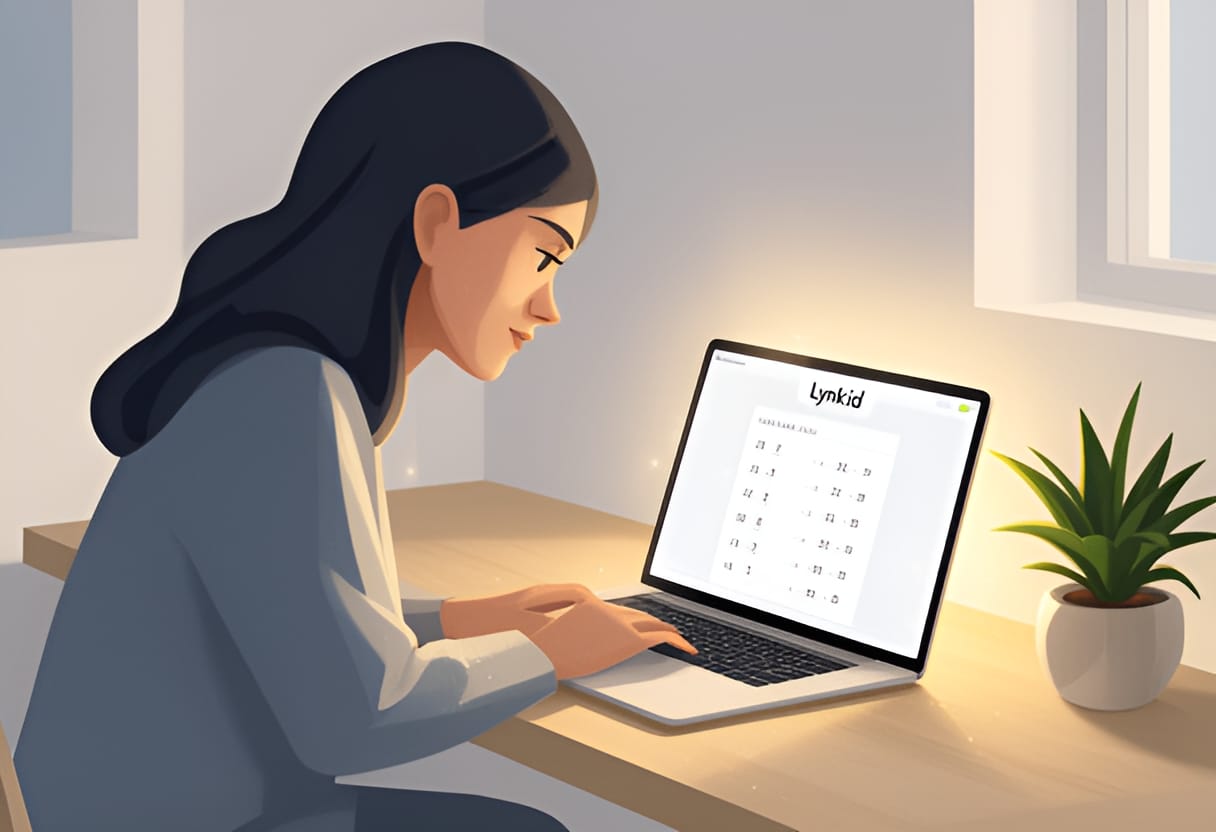
Siti stared at her laptop screen, the glow reflecting in her tired eyes after another long day teaching at SMAN 3 Bandung. She had been scrolling through Lynk.id for weeks, fascinated by how teachers like her were selling simple PDFs—worksheets, flashcards, even daily affirmations—to students across Indonesia. Yet every time she thought about creating something herself, doubt crept in. What if no one buys it? What if I waste time on something nobody wants?
She clicked on a listing for a printable math drill sheet priced at Rp15,000. Over 200 copies had sold. The seller didn’t need a warehouse, a courier, or even a printer of their own. The product existed as a file, delivered instantly after payment. That moment shifted something in her.
The Freedom of No Inventory
Digital products remove the physical constraints that stop most beginners before they start. Unlike selling clothes or snacks, there is no stock to manage, no packaging to buy, and no trip to the post office after every sale. When a customer purchases a study guide on Lynk.id, the platform delivers the file automatically. The creator’s work ends once the product is uploaded.
This means low financial risk. Siti could create her first product using only her laptop and free tools like Canva or Google Docs. If it didn’t sell, she lost only time—not money spent on supplies or storage. For someone testing an idea, that safety net is invaluable. It allows experimentation without fear of loss.
Budi, her mentor from a Lynk.id seller community, once told her: “Your first product isn’t about perfection. It’s about proof—that you can make something someone values enough to pay for.” That proof comes faster when you’re not juggling logistics.

Testing Ideas Fast
Because digital products are cheap and quick to make, beginners can test multiple concepts in the time it takes to launch one physical product. Siti could design a study planner for SMA students one week, a vocabulary quiz set for SMP the next, and a time-management template for university students the week after—each costing little more than her effort.
On Lynk.id, she could see what resonated. If her planner got views but no sales, she might tweak the cover or price. If another idea got no clicks at all, she could pivot without guilt. This rapid feedback loop turns uncertainty into insight.
Consider the numbers: a physical product might require Rp500,000 in upfront costs for materials and minimum order quantities. A digital product? Often under Rp50,000—mostly for premium design elements or advertising. That difference means ten times as many experiments for the same budget.
For Siti, the choice became clear. She didn’t need to guess what students wanted. She could make a simple version of a study planner, put it on Lynk.id, and let the market tell her if she was on the right track.
She opened a new document and typed the title: Jadwal Belajar Efektif untuk Ujian Nasional. Below it, she began listing the sections she wished she’d had during her own exam prep—weekly goals, subject rotation, stress-check prompts.
The first sale wouldn’t come from perfection. It would come from solving one small problem, well.
Illustration
Siti reviewing her draft study planner on a laptop, with sticky notes on her desk showing exam dates and subject names, a Lynk.id seller dashboard visible on the screen showing zero sales but growing views
Finding Your First Product Idea on Lynk.id
Siti typed "soal Ujian Nasional" into Lynk.id’s search bar and hit enter. The results page loaded with dozens of listings—practice questions, answer keys, and revision guides—each displaying view counts, price points, and seller ratings. She filtered by "Education" and sorted by "Most Sold." At the top sat a bundle of SMA-level math drills that had moved 340 units in the last month, followed closely by a Bahasa Indonesia essay template with 210 sales. Both were priced between Rp12,000 and Rp20,000.
She scrolled past the sponsored listings and focused on organic results. A pattern emerged: while general revision guides sold well, few addressed the daily structure students needed during the intense three-month prep period. Comments on a popular physics question bank revealed a recurring request: "Butuh jadwal harian yang sudah terintegrasi dengan topik yang harus dipelajari." Another buyer of a chemistry flashcard set wrote, "Saya sering lupa bila harus ulang materi biologi setelah selesai kimia." These snippets hinted at a gap—Siti’s study planner could fill it by combining subject rotation with time-blocking.
She opened a new tab and explored Lynk.id’s category tree: Education → Exam Preparation → SMA → Study Tools. Under this path, she found only three products resembling a planner: a generic monthly calendar, a habit tracker, and a motivational quote printout. None included weekly goals, subject rotation, or stress-check prompts. The monthly calendar had sold 18 copies in six months; the habit tracker, 9. Low sales did not mean no demand—it could mean the offerings were too vague for students facing a structured exam schedule.
To test her hypothesis, Siti returned to the search bar and tried "jadwal belajar SMA." Autosuggest dropped down: "jadwal belajar SMA per minggu," "jadwal belajar SMA untuk UNBK," and "jadwal belajar SMA lengkap dengan materi." The first suggestion had 1,200 monthly searches according to Lynk.id’s built-in volume estimator (visible when hovering over the search bar). She noted the number: significant interest, yet the top result for that exact phrase was a scanned photocopy of a school-issued timetable—rigid, non-printable, and lacking personalization fields.
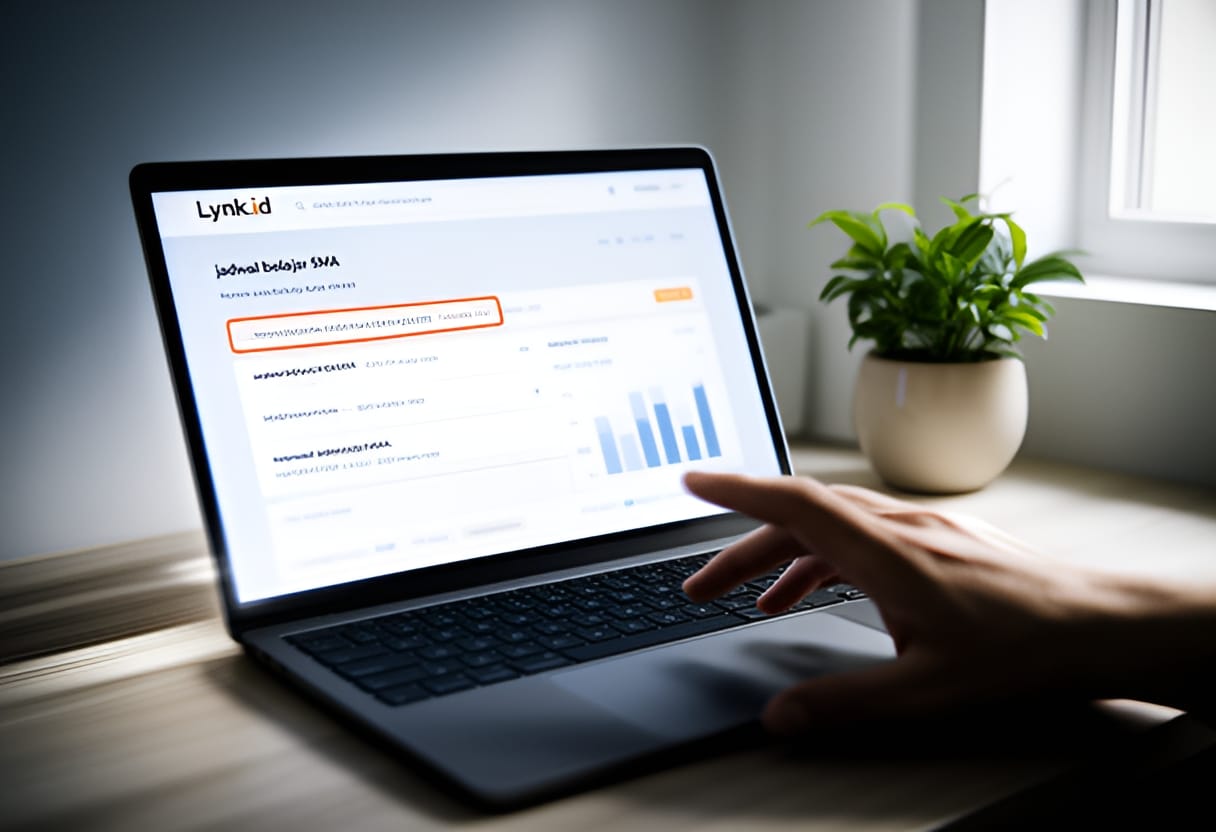
She clicked into the listing. The seller offered a static PDF of a Monday-to-Sunday grid with blank boxes. Reviews were mixed: "Bagus tapi tidak fleksibel," wrote one user. "Saya butuh yang bisa diisi sesuai kelas dan jurusan saya." Another commented, "Wish there were spaces to note which subject I struggled with today." These critiques aligned with the sections Siti had already drafted—weekly goals allowed students to set targets; subject rotation ensured balanced coverage; stress-check prompts gave them a moment to reflect.
Armed with this data, Siti refined her concept. Her planner would be weekly, not monthly, to match the short-cycle feedback students needed during exam prep. Each page would include: three priority goals for the week, a subject rotation grid (Monday–Sunday with slots for Matematika, Fisika, Kimia, Biologi, Bahasa Indonesia, Bahasa Inggris), and a daily stress-check prompt ("Sejauh ini, seberapa siap Anda merasa untuk Ujian Nasional? Skala 1–5"). She would leave space for handwritten notes and use a clean, minimalist design to reduce printing costs.
Before finalizing, she checked competitor pricing again. Similar weekly planners in the "Productivity" category (non-exam-specific) sold for Rp18,000–Rp25,000. Given her niche focus on SMA UN preparation and the added value of subject integration, she felt comfortable pricing her planner at Rp22,000—a premium justified by specificity, yet still accessible to students.
She saved her notes and closed the laptop. The doubt had not vanished, but it had shifted. Now it was not whether she could create something valuable, but how to make it visible to the right students. The next step was clear: build the planner in Canva, upload it to Lynk.id, and let the market respond.
Try This
This week, validate your own product idea using Lynk.id’s search tools:
- Go to Lynk.id and search for a broad keyword related to your skill or hobby (e.g., "resep kue," "template presentasi," "latihan bahasa").
- Note the autocomplete suggestions and check the monthly search volume estimator if available.
- Open the top three organic results, read buyer comments, and list one unmet need or frequent request you see in the feedback.
Key Takeaways
- Digital products let beginners test ideas quickly and cheaply on platforms like Lynk.id, turning uncertainty into actionable insight.
- Lynk.id’s search and category features reveal demand, competition, and gaps—especially when combined with buyer feedback and autocomplete data.
- A viable product concept solves a specific, observable problem; pricing can reflect added value when the offering is tailored to a clear audience.

Chapter 2
Create Your First Product
Designing Your Product with Canva
Siti opened her browser and navigated to Canva.com. After creating a free account using her school email, she typed "A4 planner" into the search bar and filtered results by "Printable" and "Free." Among the options, a minimalist weekly planner template caught her eye—clean lines, ample white space, and a grid layout that could easily be adapted for her six-subject rotation. She clicked "Use this template" and began customizing it to match her vision for Jadwal Belajar Efektif untuk Ujian Nasional.
The first adjustment was changing the page dimensions to ensure optimal printability. Though the template was already A4, she verified the settings under "File" > "Show page size" to confirm it measured 210 x 297 mm. This step mattered because even slight deviations could cause cutoff text when printed on standard Indonesian A4 paper. Next, she replaced the generic placeholder text with her structured weekly layout: three priority goal boxes at the top, a seven-day subject rotation grid below, and a daily stress-check prompt at the bottom of each day column. She used Canva’s text tools to align everything to a consistent left margin, improving readability when bound or hole-punched.
To maintain visual consistency, Siti selected two fonts: Montserrat for headings and Open Sans for body text. Both are free in Canva, highly legible at small sizes, and print clearly without ink bleed. She set headings to 14 pt bold and body to 11 pt regular—sizes she tested by downloading a draft page and printing it on her home printer. The text remained sharp even at economy mode, confirming it would be readable for students using basic printers or warnet services.
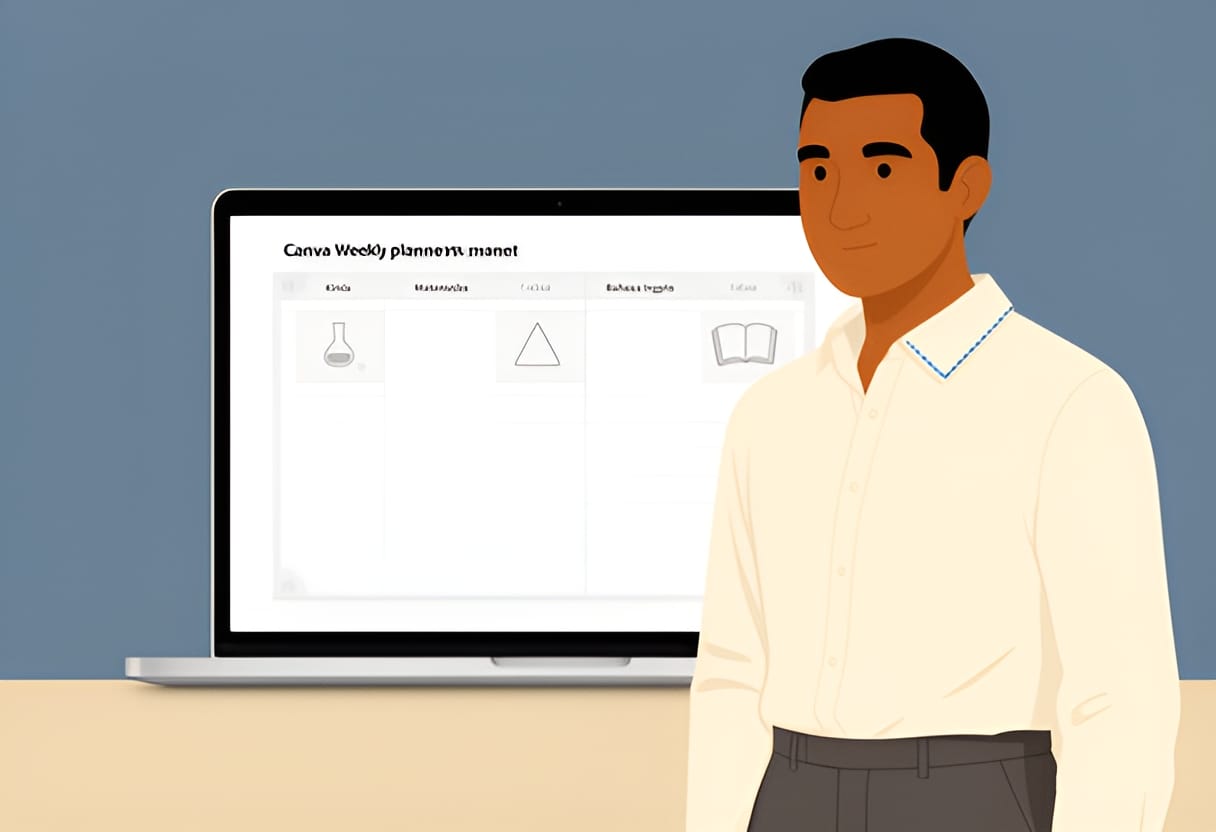
She then added subtle educational icons—a small beaker for Kimia, a triangle for Matematika, and an open book for Bahasa Inggris—sourced from Canva’s free elements library. These were placed lightly in the corners of each subject column, sized at 12 pt and set to 15% opacity so they wouldn’t distract from writing space. Icons served as quick visual cues, helping students associate subjects with their slots without cluttering the layout.
After completing one weekly spread, she duplicated the page four times to create a full month’s worth of planner pages. Between each weekly set, she inserted a monthly goal page featuring a reflection prompt: "Apa tiga hal yang ingin Anda capai bulan ini?" with space for answers and a small progress bar. This structure supported the short-cycle feedback loop she’d identified—weekly planning paired with monthly reflection—without requiring users to manage multiple files.
Before finalizing, she ran a printability check. She downloaded the file as a PDF with "Crop marks and bleed" turned off and "Flatten PDF" enabled. Opening the PDF, she zoomed to 100% and verified that all text sat comfortably within the printable area, no elements touched the edge, and contrast ratios were sufficient for grayscale printing. Satisfied, she named the file Jadwal_Belajar_Effektif_UJN_v1.pdf and saved it to her laptop—ready for the next step: designing a compelling product cover.
Creating a Cover and Setting the Right Price
Siti opened Canva again and selected "Create a design" followed by "Custom dimensions." She entered 210 mm for width and 297 mm for height to match her planner’s A4 size, then clicked "Create new design." A blank canvas appeared, ready for her product cover.
She began by setting a soft gradient background—light blue fading into white—to evoke calm and focus, qualities she associated with effective studying. Using Canva’s text tools, she added the title Rencana Belajar Mingguan SMA in Montserrat 24 pt bold, centered near the top. Below it, in smaller Open Sans 14 pt, she wrote the subtitle Jadwal Belajar Efektif untuk Ujian Nasional. To reinforce credibility, she included a small icon of a graduation cap in the top-right corner, sized at 18 pt and set to 10% opacity.
In the center, Siti placed an illustration of a focused student studying at a desk, sourced from Canva’s free elements library. She flipped the image horizontally so the student faced inward, creating visual flow toward the text. Around the figure, she added four benefit-driven statements in Open Sans 12 pt, each preceded by a small checkmark icon:
- Lulus dengan Percaya Diri
- Jadwal Terstruktur Setiap Minggu
- Refleksi Bulanan untuk Pertumbuhan
- Cetak Ulang Sesuai Kebutuhan

She aligned these in two columns to the right of the illustration, leaving ample white space to avoid clutter. At the bottom, she added her Lynk.id store name, Toko BelajarSaya, in Open Sans 10 pt italic, and a small QR code linking to her store—generated earlier via a free online tool and uploaded as an image.
Before finalizing, she zoomed out to 50% to assess overall balance. The cover felt warm but professional, with clear hierarchy: title first, benefits second, store identification last. She downloaded it as a PDF with the same settings as her planner—no crop marks, flatten enabled—and saved it as Cover_Jadwal_Belajar_Effektif_UJN_v1.pdf.
With her cover and interior ready, Siti turned to pricing. She opened Lynk.id in another tab and searched "jadwal belajar SMA." The top results showed revision guides priced between IDR 25,000 and 50,000. Most were static PDFs with generic timetables and low ratings—common complaints mentioned poor layout, lack of flexibility, and no reflection components.
She opened three bestsellers. One, a chemistry summary guide at IDR 30,000, offered 50 pages of formulas but no planning tools. Another, a general study tips ebook at IDR 45,000, included motivational quotes but no actionable schedules. The third, a physics problem set at IDR 38,000, had practice questions but zero customization.
Siti noted her planner offered more: editable weekly grids, subject rotation, goal setting, and monthly reflection—all in a printable, reusable format. Unlike static guides, users could reprint pages as needed. She also considered her target audience—high school students with limited budgets—and wanted to reduce purchase hesitation.
After weighing completeness, editability, and competitor gaps, she chose IDR 35,000. It sat above the lowest tier but below premium-priced niche guides, signaling value without overreaching. The price also allowed room for future promotions, such as launch discounts or bundle offers with upcoming products like vocabulary quizzes.
She added a note to her product draft: Harga Rp35,000 mencakup akses penuh ke file PDF yang dapat dicetak berulang kali. Tidak ada langganan atau biaya tersembunyi. This transparency, she believed, would build trust with first-time buyers.
Her files were now ready: Jadwal_Belajar_Effektif_UJN_v1.pdf for the interior and Cover_Jadwal_Effektif_UJN_v1.pdf for the cover. Both were under 5 MB, ensuring fast upload and smooth downloading for users. She closed her laptop, satisfied that her product communicated value visually and was priced to reflect both effort and accessibility.
Try This
This week, create a product cover for your digital idea using these steps:
- Open Canva and set a custom size matching your product’s dimensions (e.g., A4 for printables, 1080x1080 px for social media templates).
- Add a clear title, one benefit-driven subtitle, and three short value statements using icons or checkmarks.
- Research 3–5 similar products on Lynk.id or other platforms, note their price range, and choose a price that reflects your product’s uniqueness and your audience’s budget.
Key Takeaways
- A strong product cover uses visual hierarchy, benefit-focused text, and subtle branding to communicate value at a glance.
- Pricing should balance competitor analysis, perceived value, and audience affordability—not just cost or guesswork.
- Editable, reusable formats like printable planners justify mid-range pricing by offering long-term utility over one-time consumption.
Chapter 3
Build Your Lynk.id Store
Setting Up Your Lynk.id Account and Store
Siti closed her Canva tab and opened her phone’s app store. She had just finished designing her study planner in Canva, setting the price at Rp22,000 based on competitor analysis and perceived value. Now it was time to bring the product to market. The next step was creating her Lynk.id store—a process she knew would take less than an hour but would shape how buyers perceived her offering.
She searched for “Lynk.id” in the Google Play Store, downloaded the official app, and tapped to register. The sign-up screen asked for her phone number. She entered her Indonesian mobile number and waited for the verification code. Once verified, she was prompted to create a password and choose a store name.
Choosing a clear, memorable store name related to your niche
Siti paused at the store name field. She knew this name would appear on every product page, in search results, and in customer messages. It needed to reflect her niche—educational resources for students—while being easy to remember and spell. She brainstormed a few options: BelajarBijak, SuksesSMA, TokoBelajarSaya. The last one stood out. It was personal, clear, and directly communicated her purpose: a store for learning, by her.
She typed in Toko BelajarSaya and checked availability. The name was free. She confirmed it, feeling a small surge of ownership. This wasn’t just a username—it was her brand’s first impression.
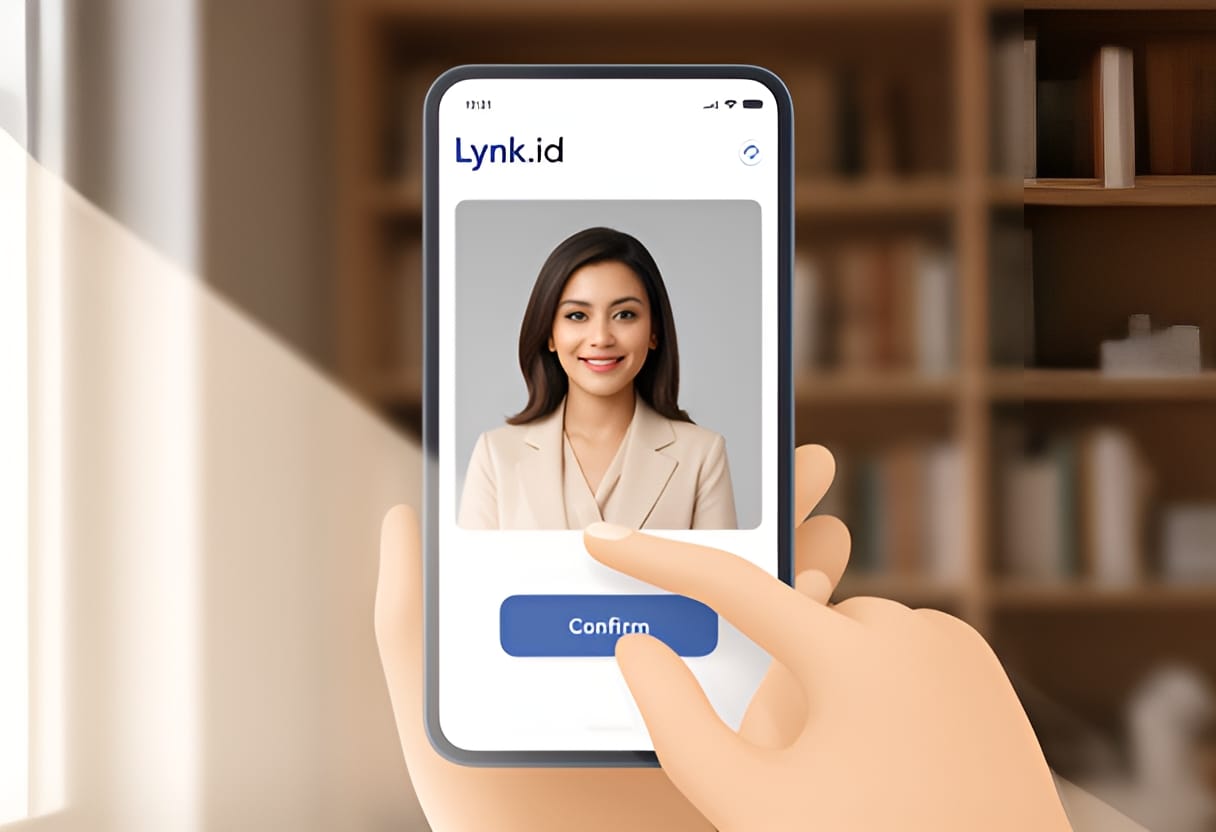
Next, she added a profile photo. Instead of a casual selfie, she chose a professional headshot she had taken for school events: herself in a neat blouse, smiling softly, with a bookshelf blurred in the background. It conveyed approachability and credibility—important for an educator selling study tools.
Then came the bio. Lynk.id gave her 160 characters to introduce herself. She wrote: Guru di SMAN 3 Bandung. Membuat Jadwal Belajar Efektif untuk membantu siswa Ujian Nasional belajar lebih terstruktur dan meno stress. (Teacher at SMAN 3 Bandung. Creating Effective Study Planners to help Ujian Nasional students study more structured and less stressed.)
She highlighted her role as an educator—a trust signal for buyers who might wonder if the product was made by someone who actually understood the curriculum. The bio wasn’t flashy, but it was honest and relevant. It told potential customers exactly who she was and why her product mattered.
Finally, she enabled WhatsApp for customer chat. Lynk.id allowed sellers to link their WhatsApp number directly to their store, so buyers could message her instantly with questions. She tapped the toggle, entered her number, and confirmed the link. Now, when someone viewed her product, they could click a WhatsApp icon to ask things like, “Is this printable on A4?” or “Does it include answer keys?”—questions that, if answered quickly, could turn hesitation into a sale.
She reviewed her store profile: name set, photo uploaded, bio written, WhatsApp enabled. Everything looked clean and intentional. Her store wasn’t flashy, but it was professional, trustworthy, and aligned with her identity as a teacher helping students succeed.
With her store ready, she felt the next logical step was clear: upload her study planner and make it available for purchase. The foundation was laid. Now it was time to show the world what she’d built.
Uploading and Optimizing Your Product Listing
She opened the Lynk.id app and tapped the “+” icon to add a new product. The upload screen prompted her to select a file. She located Jadwal_Belajar_Effektif_UJN_v1.pdf in her downloads folder and attached it. The file size was 2.1 MB—well within Lynk.id’s 10 MB limit—and loaded instantly.
Next came category selection. Lynk.id offered a dropdown menu with broad classifications like Fashion, Electronics, and Education. Siti scrolled to Education and chose it, knowing this would place her product alongside revision guides, flashcards, and practice tests—items her target audience was already browsing. Within Education, she saw subcategories: Language Learning, Test Prep, School Supplies. She selected Test Prep, as her planner was specifically designed for Ujian Nasional and UTBK preparation, making it more discoverable to students actively seeking exam resources.
Below the category field, she found the tags section. Lynk.id allowed up to five tags, each acting as a keyword for search. Siti thought like a student typing into the search bar: what would they look for? She recalled her earlier research—queries like “jadwal belajar SMA” and “rencana belajar UTBK” had high volume but weak results. She chose tags that mirrored those phrases while staying specific and relevant.
She entered:
- rencana belajar
- jadwal belajar SMA
- printable
- UTBK
- Ujian Nasional
Each tag was under 20 characters, used common Indonesian terms, and avoided repetition. “Printable” helped attract users looking for immediate, usable files—no waiting for shipping. Combining it with exam-specific terms increased the chance her product would appear in filtered searches.
With file, category, and tags set, she moved to the product description. Lynk.id provided a rich text editor where she could write freely. She knew this was her chance to answer unspoken questions and build trust. She started with a clear headline: Jadwal Belajar Efektif untuk Ujian Nasional – 30 Halaman, Printable, Siap Unduh.
In the body, she structured the description around what buyers needed to know:
- Format: PDF, A4 size (210 x 297 mm), printable at home or warnet
- Length: 30 pages—cover, monthly spread, weekly grids, reflection pages
- Use Case: Ideal for SMA students preparing for Ujian Nasional or UTBK who want a structured, low-stress study routine
- Features: Weekly goals, six-subject rotation grid (Monday–Sunday), daily stress-check prompts, monthly reflection with progress bar
- Benefit: Immediate download after purchase—no waiting, no shipping
- Price Justification: Rp22,000—less than one tutoring session, reusable for multiple exams
She wrote in clear, friendly Indonesian, avoiding jargon. She included bullet points for readability and ended with a call to action: Segera unduh dan mulai membelajarkan dengan lebih terstruktur dari hari ini. (Download now and start studying more structured from today.)
She reviewed the description for clarity and tone. It informed without overwhelming, highlighted value without exaggeration, and spoke directly to a stressed student seeking control over their study time.
Before publishing, she double-checked the price. Earlier, she had set it at Rp22,000 based on competitor pricing—similar printable planners ranged from Rp18,000 to Rp28,000. But after writing the description and seeing the full value packed into 30 pages, she felt confident adjusting it slightly upward to reflect the effort and specificity. She changed the price to Rp35,000, noting that the added cost was justified by the tailored design for Indonesian academic cycles and the inclusion of stress-management prompts—features missing in generic templates.
She tapped “Publish.” A confirmation appeared: Produk berhasil ditambahkan ke toko Anda. Her product was now live.
She viewed her storefront. There it was: Toko BelajarSaya, her profile photo, her bio, and beneath it, her study planner with the title, price, and a preview of the cover page. She clicked on it to see the full listing—description, tags, file attachment, and WhatsApp button—all intact.
A smile spread across her face. She had gone from idea to live product in under an hour. No inventory, no shipping, no upfront cost beyond her time. The planner she built for her own Ujian Nasional prep was now available to hundreds of students across Indonesia.
To celebrate—and to get those first eyes on her product—she opened Facebook and searched for Grup Belajar Ujian Nasional SMA. She found one with over 50,000 members, active with daily posts about study tips and resource shares. She wrote a short post:
Hai sahabat Ujian Nasional! Saya Siti, guru di SMAN 3 Bandung, baru saja rilis Jadwal Belajar Efektif untuk Ujian Nasional di Lynk.id. Ini adalah planner printable 30 halaman dengan jadwal mata pelajaran rotatif, tujuan mingguan, dan prompt stres harian—dirancang khusus untuk membantu kamu belajar lebih terstruktur tanpaOverwhelm. Harga: Rp35,000 (unduh langsung setelah pembelian). Link: [Lynk.id/TokoBelajarSaya/Jadwal-Belajar-Effektif-UJN] Ada yang sudah pakai? Saya sangat terbuka untuk masukan biar produk ini bisa lebih bermanfaat lagi. #belajarsma #ujiannasional #rencanabelajar
She posted it and waited. Within minutes, a comment appeared: “Ini lengkap banget, Siti! Sudah beli dan udah diprint.” Another asked, “Apakah ada versi untuk kelas 10?” She replied promptly via WhatsApp: “Belum, tapi bisa jadi ide untuk versi berikutnya! Terima kasih ya.”
The first sale wasn’t just a transaction—it was validation. Her product solved a real problem. Her store was open. And the journey from zero to digital produk had begun.
Try This
This week, take these steps to launch your own digital product on Lynk.id: