Children's books
Free children's manuscripts written with BookAI. Open any title to read chapters on the public book page.
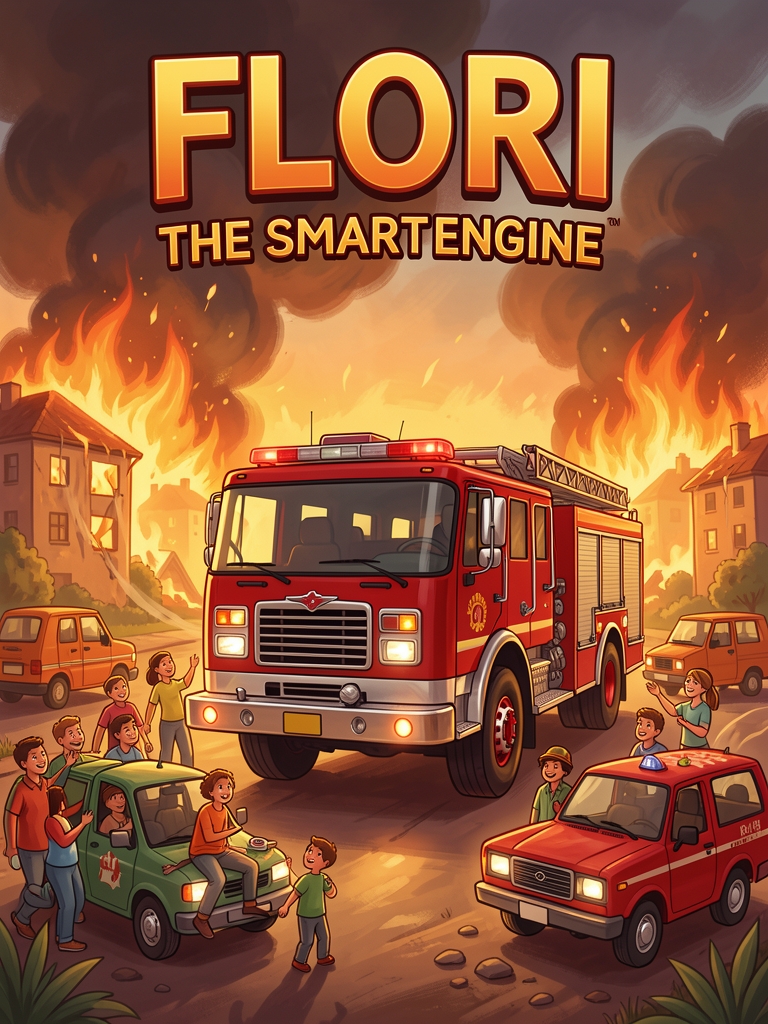
FLORI the smart fire engine
Mo Ri · 4 chapters · 16/22 pages
a fire engine, always alone, every other car ignores him, the police car, the trash car, the ambulance ... one day there is a fire, flori goes there and extinguishes it and saves people, from now on he is the hero, everyone is his friend, never alone again
FLORI the smart fireengine — Edition 2
Mo Ri · 0/24 pages
a fireengine, always alone, no friends, also policecar, trashcar, ambulance, ... ingnore him, one day there is a fire, he goes there quickly and extinguishes it, saves people, now he is the hero, everybody likes him and he isn't alone any more
FLORI the smart fireengine
Mo Ri · 0/24 pages
a fireengine, always alone, no friends, also policecar, trashcar, ambulance, ... ingnore him, one day there is a fire, he goes there quickly and extinguishes it, saves people, now he is the hero, everybody likes him and he isn't alone any more
Flori, the smart fire engine — Edition 2
Mo Ri · 4 chapters · 0/20 pages
Flori a fireengine is always alone, no friends, everybody ignores him, the schoolbus, the police, the ambulance, ... one day a fire breaks out and flori goes there first and extinguishes the fire, he saves people, now everybody is proud of him and finally he has found a lot of friends
Flori, the smart fire engine
Mo Ri · 4 chapters · 16/20 pages
Flori a fireengine is always alone, no friends, everybody ignores him, the schoolbus, the police, the ambulance, ... one day a fire breaks out and flori goes there first and extinguishes the fire, he saves people, now everybody is proud of him and finally he has found a lot of friends
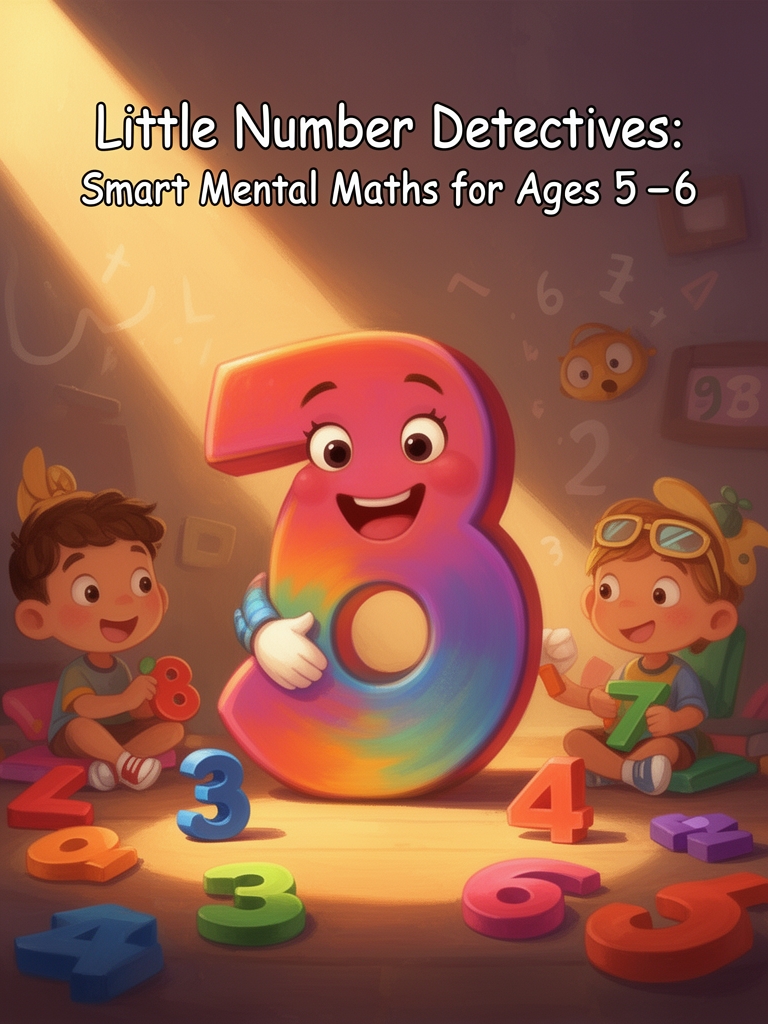
Little Number Detectives: Smart Mental Maths for Ages 5–6
Esther · 3 chapters · 12/10 pages
10-minute playful number challenges that help children see, talk about, and use numbers confidently.” Format: 60–80 printable/digital pages, designed for 8–12 weeks of short sessions. Core design rule: Each page should ask the child to look, think, say, then write/draw. At this age, mental maths grows from visual and hands-on number understanding; children should not be expected to memorise procedures before they understand what numbers mean. Learning goals By the end, a child should be able to: Count objects accurately, initially within 10 and progressing towards 20. Recognise small groups quickly without counting one by one, such as dots on dice. Match numerals to quantities. Compare numbers using language such as more, fewer, same, bigger, and smaller. Make and break numbers, for example: “5 is 2 and 3” or “8 is 5 and 3.” Solve simple addition and subtraction stories mentally using pictures, fingers, counters, or drawings. Continue, copy, and invent patterns. Explain a choice: “I knew it was 7 because I saw 5 and 2 more.” These goals align with early-childhood maths guidance that prioritises problem-solving, reasoning, communication, connected ideas, and sustained work with key concepts.
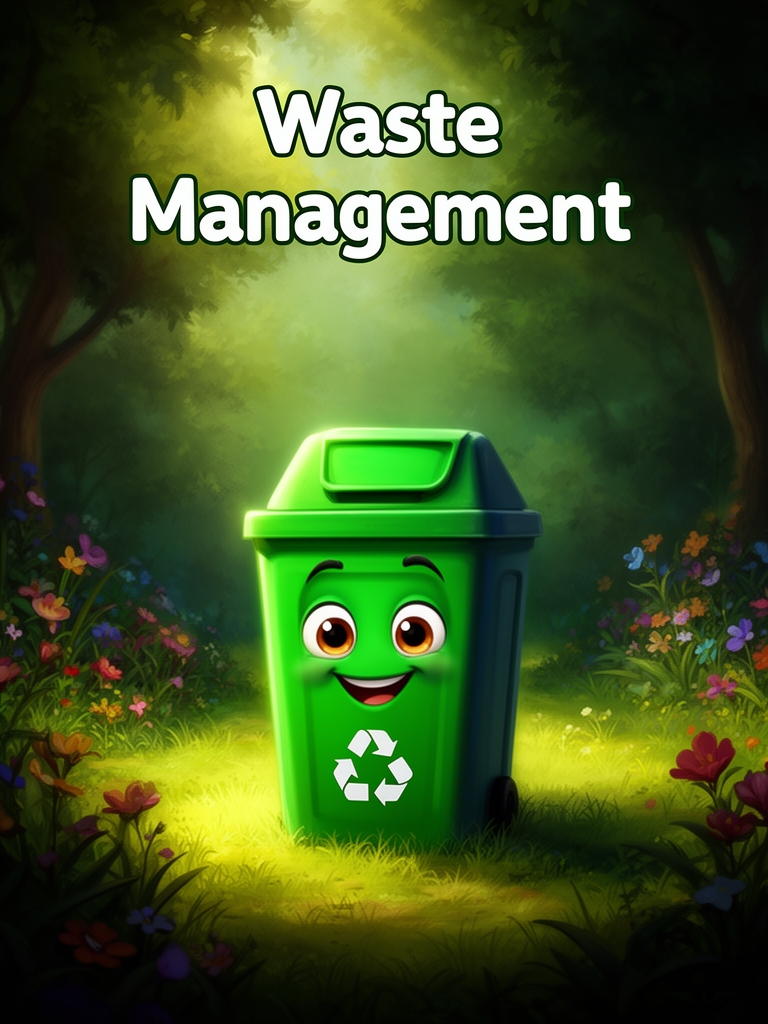
Waste Management
Sachin Kumar · 3 chapters · 20/50 pages
In the midst of a world grappling with the consequences of unchecked waste, a crucial narrative emerges to educate and enlighten the future stewards of the planet - school children. This Hindi book, tailored specifically for young minds, aims to delve into the critical realm of waste management, presenting complex issues in an accessible and engaging manner. Within its concise 50 pages, the book seeks to not only raise awareness about the importance of proper waste disposal but also to inspire a sense of responsibility and action among its readers. Set against the backdrop of a world where environmental degradation and pollution pose significant threats, the stakes are high. The book's professional tone ensures that the subject matter is handled with the seriousness it deserves, yet it remains approachable and easy to understand for its general audience of school children. By focusing on the foundational aspects of waste management, the narrative lays the groundwork for a comprehensive understanding of the subject, covering topics from the sources and types of waste to the methods of disposal and recycling. What makes this book distinctive is its targeted approach towards fostering a sense of environmental stewardship in young readers. By addressing the issue of waste management in a language and context that is relatable to school children in Hindi-speaking regions, the book fills a critical gap in environmental education. Its concise nature and focused content make it an ideal resource for schools and educational institutions looking to integrate environmental awareness into their curriculum. The book's ultimate goal is to empower the next generation with the knowledge and motivation needed to contribute to a cleaner, healthier environment, making it a valuable addition to any environmental education initiative. Through its blend of informative content, engaging narrative, and call to action, this book on waste management has the potential to inspire a movement among young readers, encouraging them to adopt practices that reduce waste and promote sustainability. By reading this book, school children will not only gain a deeper understanding of the environmental challenges posed by waste but will also be equipped with practical strategies to make a positive impact in their communities. As a result, the book serves as a powerful tool in the quest for a more sustainable future, one that is shaped by the informed and active participation of the next generation.
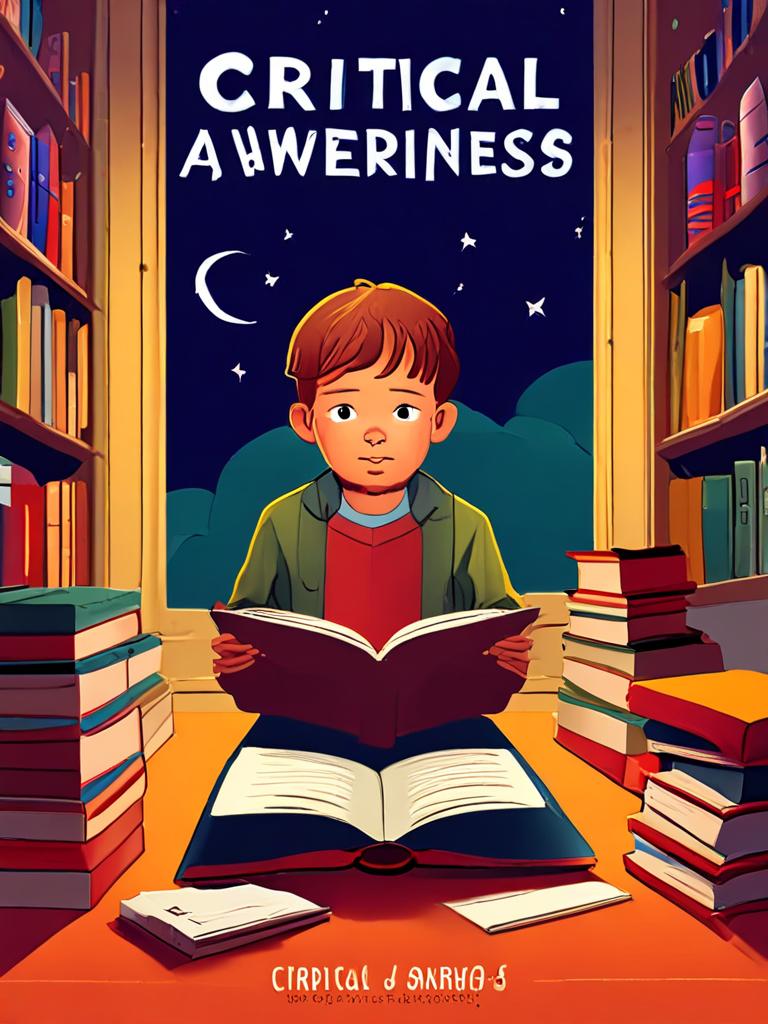
CRITICAL AWARENESS
MOHAMMED GYAMFI · 5 chapters · 20/25 pages
Write a critical thinking/awareness book for kids aged 3 - 5 years, using the following prompts; Make it a 10 chapter book Develop 10 critical awareness activities under each chapter Each chapter must end with exercises to test the understanding of the learners Include pictorial activities Short conversations with deeper meanings Logical reasoning Everyday activities
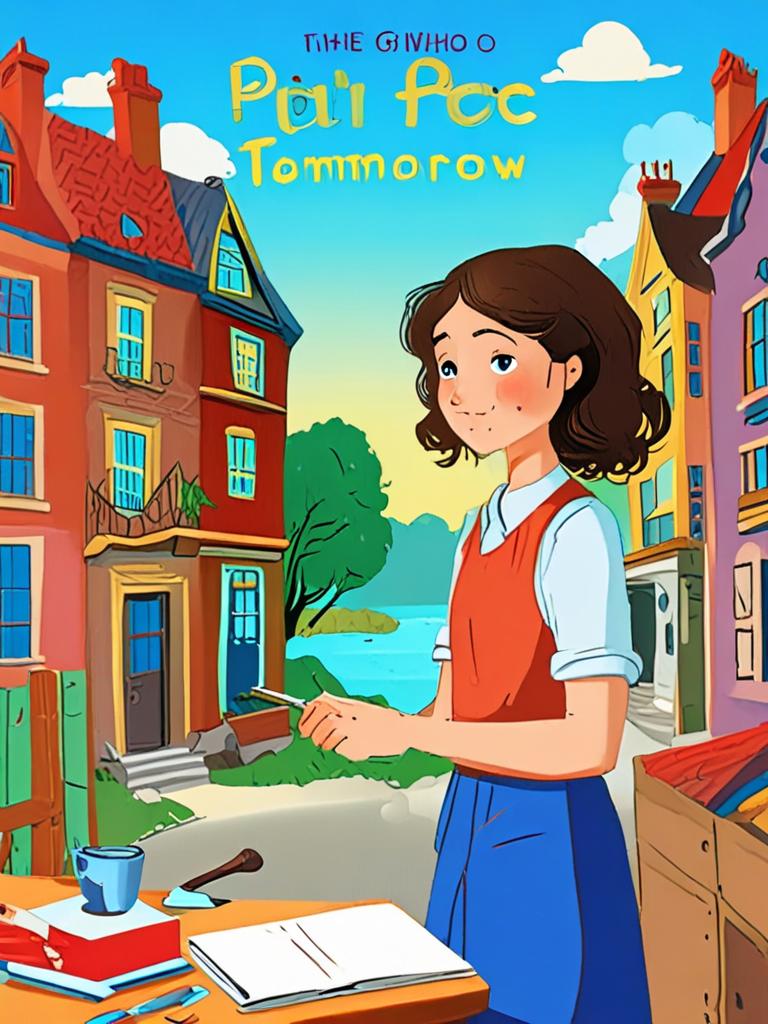
The Girl who painted Tomorrow
Kate Obot · 3 chapters · 10/10 pages
Title: The Girl Who Painted Tomorrow Subtitle: A Magical Story About Courage, Choices, and Creating Your Own Future Target Age: 6–10 years old Genre: Fantasy / Inspirational Children’s Fiction Core Idea In a small town where every child receives a special talent at age seven, a quiet girl named Mia discovers that her paintings have an unusual power: whatever she paints appears as a glimpse of tomorrow. At first, Mia thinks her gift is the greatest thing that has ever happened. She paints herself
Leo and the Little Lost Penguin
SASWATA KAR ROY · 0/10 pages
Leo loved visiting the beach every morning. One sunny day, he spotted a tiny penguin waddling near the rocks. "Oh no! Where is your family?" Leo asked gently. The little penguin chirped sadly. A wise seagull flew down. "I saw a group of penguins on the other side of the bay," she said. "I'll help!" Leo smiled. Soon a friendly dolphin splashed beside them. "Hop on my back!" said the dolphin. Together they crossed the sparkling water. Along the way, colorful fish swam around them, and playful seals waved hello. At last, they found the penguin's family waiting near an icy floating rock. The baby penguin hugged Leo with its tiny wings. "Thank you for bringing our little one home," said Mama Penguin. Leo waved goodbye. As he sailed back, he realized that helping someone find their family was the greatest adventure of all. **Moral:** Helping others brings happiness.