Health & Wellness
VitaSavoir – Family Health Organizer
by Redha Paypal
3 chapters1.1 hr read

Chapter 1
Foundations of Family Health Organization
The Cost of Disorganized Health Information
The Moreau family stood in the pediatric clinic’s waiting room, Léa’s vaccination card nowhere to be found. Sophie frantically flipped through a kitchen drawer stuffed with school notices and old receipts while Marc tried to recall the exact date of Léa’s last shot. The nurse’s calm question—“Has she had her DTaP booster yet?”—triggered a wave of panic. Without proof, the clinic would either delay the vaccination or administer an unnecessary repeat dose, both posing risks. After twenty minutes of searching, they finally unearthed the card buried in a birthday gift bag from six months prior. The relief was short-lived; the incident left them rattled, aware of how easily a small oversight could compromise Léa’s protection.
This scene mirrors a widespread issue: families often store health information in fragments—scratched on notepads, buried in email threads, or tucked inside medicine cabinets—creating avoidable risks during routine and urgent care. Disorganization isn’t merely inconvenient; it directly impacts health outcomes and amplifies stress in moments that demand clarity.
Common Consequences of Lost Medical Records
When health records go missing, the effects ripple through care delivery in predictable, harmful ways. Three consequences stand out for their frequency and severity: delayed care, duplicate testing, and medication errors. Each stems from the same root cause—inaccessible or incomplete information—and each carries tangible costs to families and the healthcare system.
Delayed care occurs when providers lack critical history to make timely decisions. Imagine Noah wheezing during a soccer game, his inhaler empty, and his parents unable to recall his asthma action plan details. Without knowing his usual triggers or medication dosages, the urgent care clinician might default to a less effective treatment, prolonging his distress. In contrast, having a clear, accessible record of Noah’s asthma management—including his peak flow zones and rescue medication schedule—would enable swift, appropriate intervention.
Duplicate testing represents both a financial and physical burden. When Sophie’s mother, Claire, visited a new cardiologist, her previous EKG results were nowhere to be found. The doctor ordered a repeat test, exposing Claire to unnecessary radiation and adding $150 to the family’s out-of-pocket costs. Had the EKG been readily available in a centralized system, the clinician could have compared it directly to prior readings, identifying subtle changes faster and avoiding redundancy.
Medication errors pose perhaps the gravest risk. Consider a scenario where Léa is prescribed an antibiotic for strep throat, but her parents forget to mention her severe allergy to amoxicillin—information scribbled on a school form they misplaced. The pharmacist, lacking access to her full history, dispatches the medication, triggering an allergic reaction requiring emergency care. Such errors are preventable when allergy histories are consistently documented and easy to retrieve.
Stress Amplified by Scattered Information
Disorganization doesn’t just affect clinical encounters; it seeps into everyday family logistics, heightening anxiety during routine transitions. School and camp enrollment, for instance, often require proof of vaccinations, physical exams, and medication authorizations. When these documents are scattered, parents face last-minute scrambles that erode confidence and strain household routines.
Take the Moreau family’s preparation for Léa’s overnight camp. The camp nurse requested a signed medication administration form for Léa’s seasonal allergy treatment, a copy of her insurance card, and a summary of her food allergies. Sophie knew she had seen these papers recently but couldn’t locate them amid piles of mail and kids’ artwork. Over two evenings, she tore through filing cabinets and digital folders, eventually finding the forms crumpled in a backpack from the previous school year. The process left her exhausted and irritable, diminishing the excitement she wanted Léa to feel about the upcoming trip.
This stress compounds when multiple children have overlapping needs. If Noah also required asthma paperwork for the same camp, the duplication of effort could easily overwhelm a parent managing work and household duties. Centralized storage eliminates this burden: one update serves all purposes, turning a frantic search into a quick verification.
Research supports this link between disorganization and parental strain. A 2022 study in the Journal of Pediatric Psychology found that parents who reported difficulty locating their children’s health records experienced significantly higher stress levels during school enrollment periods compared to those with organized systems. The cognitive load of searching for information—combined with the fear of missing deadlines—activates the same stress response triggered by financial uncertainty or time pressure.
Avoidable Emergency Room Visits
Perhaps the most consequential outcome of poor health organization is its contribution to preventable emergency room visits. When critical details like chronic conditions, current medications, or allergy histories are unavailable during a crisis, clinicians may resort to cautious but unnecessary interventions, increasing ER utilization and patient risk.
Consider Noah experiencing a severe asthma attack at night. His parents rush him to the hospital, but in their panic, they forget to bring his spacer and rescue inhaler. The ER team, unaware of his usual baseline, administers a standard nebulizer treatment and observes him for four hours before discharge. Had they known Noah typically responds well to a single treatment with his spacer, they might have managed him safely in an urgent care setting, saving hours of waiting and exposure to hospital-borne illnesses.
Similarly, Claire’s history of atrial fibrillation means her anticoagulant levels must be monitored closely. If she develops unexplained bruising and her family cannot recall her last INR result or current dosage, the ER may order extensive coagulation panels and admit her for observation—steps that might be avoided with immediate access to her recent lab values and medication log.
Data from the Centers for Disease Control and Prevention indicates that up to 30% of emergency visits for chronic condition exacerbations could be prevented with better outpatient management, including timely access to accurate health information. Disorganization disrupts this outpatient safety net, turning manageable issues into crises that strain both families and emergency services.
Self-Assessment: Evaluating Your Family’s Health Information Habits
Recognizing these risks is the first step toward change. The following checklist helps you gauge how effectively your family currently manages health information. Answer each question honestly to identify strengths and gaps.
| Habit Area | Indicator of Strength | Indicator of Gap |
|---|---|---|
| Record Storage | Vaccination cards, test results, and medication lists are kept in one designated place (physical or digital) | Documents are scattered across drawers, emails, or memory |
| Accessibility | You can retrieve a child’s immunization record or a parent’s allergy list within two minutes | Finding key information requires searching multiple locations |
| Update Routine | Health changes (new medications, test results) are recorded within 48 hours | Updates happen only during crises or are forgotten |
| Sharing with Providers | You bring a current summary of medications or conditions to every appointment | Providers often ask for information you struggle to provide |
| Emergency Readiness | A caregiver could quickly locate emergency contacts, insurance details, and critical medical info if you were incapacitated | No clear system exists for others to access vital data in your absence |
If you marked two or more items in the “Indicator of Gap” column, your family would likely benefit from a structured approach to health organization. The goal isn’t perfection but progress: reducing the frequency of frantic searches, minimizing preventable errors, and building confidence that critical information is available when it matters most.
By confronting the tangible costs of disorganization—from delayed care and duplicate testing to heightened stress and avoidable ER visits—we lay the groundwork for a system that protects rather than burdens. The Moreau family’s initial frustration was a signal, not a sentence. What follows is a practical path forward, beginning with a tool designed to turn fragmentation into clarity.
Introducing the VitaSavoir Health Binder System
The Moreau family gathered at their kitchen table on a Saturday morning, the disarray of scattered health documents still fresh in their minds. Sophie spread out vaccination cards, prescription receipts, and a crumpled asthma action plan she had found in Noah’s backpack. Marc held a folder labeled “Claire – Heart” that contained printouts from three different cardiology visits over the past year. Léa, watching from the side, remarked how strange it felt to see everything laid out at once—like seeing the pieces of a puzzle they had never tried to assemble.
“What if we had one place for all of this?” she asked. “Not just for emergencies, but for everyday stuff too—like when the school nurse needs Léa’s tetanus date or when Noah’s inhaler runs low.”
Sophie nodded. “That’s exactly what the VitaSavoir Health Binder is designed to do. It’s not about creating more work; it’s about replacing the chaos with a system that works for us, not against us.”
They opened the printable VitaSavoir template Sophie had downloaded the night before. The system was built around six clearly defined sections, each serving a distinct purpose in the family’s health journey. Together, they began to understand how each tab would transform their scattered habits into a coherent, living record.
The Six Core Sections of the VitaSavoir Binder
The binder’s structure reflects the natural flow of family health management—from who we are, to what we’ve experienced, to what we need to stay well. Each section is designed to hold specific types of information, making retrieval intuitive and updates straightforward.
| Section | What It Contains | Why It Matters |
|---|---|---|
| Personal Profiles | Core demographics, primary care providers, insurance details, emergency contacts, blood type, allergies, and advance directives | Provides instant identification and critical baseline data during routine visits or emergencies |
| Medical History | Past illnesses, surgeries, hospitalizations, chronic conditions, immunization records, and significant test results (e.g., EKGs, labs, imaging) | Enables providers to see patterns, avoid duplicate testing, and make informed decisions based on longitudinal data |
| Medications | Current prescriptions, over-the-counter drugs, supplements, dosages, start/end dates, prescribing providers, and side effects | Reduces medication errors, supports reconciliation at appointments, and helps track effectiveness and interactions |
| Appointments & Logs | Scheduled visits, past appointment summaries, symptom trackers, vital signs (weight, BP, glucose), and preparation notes | Encourages proactive care, improves visit efficiency, and helps monitor trends over time |
| Emergency Preparedness | Emergency contacts, insurance cards, medical power of attorney, advance directives, condition-specific action plans (e.g., asthma, anaphylaxis), and evacuation considerations | Ensures critical information is immediately accessible if a family member is incapacitated or during a crisis |
| Wellness Tracking | Growth charts, fitness goals, mental health check-ins, sleep logs, nutrition notes, and preventive screening reminders | Shifts focus from reactive care to long-term health promotion across generations |
For the Moreaus, this structure addressed their most pressing frustrations. Léa’s immunization record would live in Medical History, no longer buried in a birthday gift bag. Noah’s asthma action plan and inhaler schedule would go in Medications and Emergency Preparedness, ensuring his caregivers—whether at school or with a babysitter—knew exactly what to do. Claire’s anticoagulant log and recent INR results would reside in Medications, ready to show any provider in minutes rather than hours of hunting.
Why Color-Coding and Material Choice Enhance Usability
The VitaSavoir system uses color-coded dividers not for decoration, but for cognitive efficiency. During high-stress moments—like rushing a child to urgent care or assisting an aging parent—visual cues reduce search time by allowing the brain to locate information through pattern recognition rather than reading every label.
Research in human factors shows that color-coding can improve retrieval speed by up to 40% in organized systems, particularly when combined with consistent placement. For the Moreaus, assigning each section a distinct hue meant that even under pressure, Sophie could grab the red tab for Medications without hesitation, knowing it held Noah’s inhaler details and Claire’s warfarin dosage.
They chose a 3-inch D-ring binder made of polypropylene, which lies flat when open and resists moisture better than standard cardboard versions. Inside, they used archival-safe, acid-free clear sleeves to protect documents from spills, fading, and tearing—important for items like immunization cards or surgical reports that need to last years. Laminating the Emergency Preparedness page added an extra layer of durability; it could withstand being wiped clean or carried in a bag without smudging.
Marc pointed out another practical benefit: “If we ever need to grab the binder and go—say, during a power outage or evacuation—we don’t want to worry about pages falling out or ink running. The materials aren’t just about longevity; they’re about reliability when it counts.”
They also selected a binder with an interior pocket and a built-in pen loop, small features that made daily use frictionless. The pen stayed attached, and the pocket held insurance cards or referral slips that didn’t need full-page sleeves.
A Step-by-Step Guide to Assembling Your Binder
With their materials selected, the Moreau family began assembling their binder in under twenty minutes—a process any household can replicate using common supplies. The goal was not perfection, but a functional starting point that could evolve with their needs.
Step 1: Print and Sort the Templates Sophie printed the six section dividers on cardstock in their chosen colors: blue for Personal Profiles, green for Medical History, orange for Medications, purple for Appointments & Logs, red for Emergency Preparedness, and yellow for Wellness Tracking. She also printed the first set of content pages for each section, starting with the family’s basic profiles and Léa’s most recent immunization record.
Step 2: Label and Insert the Dividers Using a hole punch that matched the binder’s rings, Sophie punched each divider and inserted them in the order listed above. She left the first few pages blank after each divider to act as a buffer, preventing tabs from tearing through frequently used pages.
Step 3: Load Core Documents They began filling each section:
- Personal Profiles: One page per family member with name, date of birth, PCP, insurance number, and allergies (Léa: none; Noah: eggs; Claire: latex; Sophie: penicillin; Marc: sulfa drugs).
- Medical History: Léa’s vaccination card went into a clear sleeve under Medical History, followed by Noah’s asthma diagnosis note from his pulmonologist.
- Medications: A simple table listed Noah’s daily inhaled corticosteroid and as-needed albuterol, along with Claire’s warfarin dose and Sophie’s monthly migraine preventive.
- Appointments & Logs: They added a monthly calendar printout and a symptom tracker for Noah’s peak flow readings.
- Emergency Preparedness: A laminated sheet listed emergency contacts (including Marc’s work line and Sophie’s sister), insurance group numbers, Claire’s anticoagulant clinic number, and Noah’s asthma action plan.
- Wellness Tracking: They started with growth charts for Léa and Noah, and a weekly mood check-in template for Claire, who had been feeling isolated since retiring.
Step 4: Designate a Home and Build the Habit The family placed the binder on the lower shelf of the kitchen command center—next to the calendar and mail sorter—where everyone passed multiple times a day. Sophie taped a small reminder to the front: “Update after appointments. Check meds monthly. Review emergencies quarterly.”
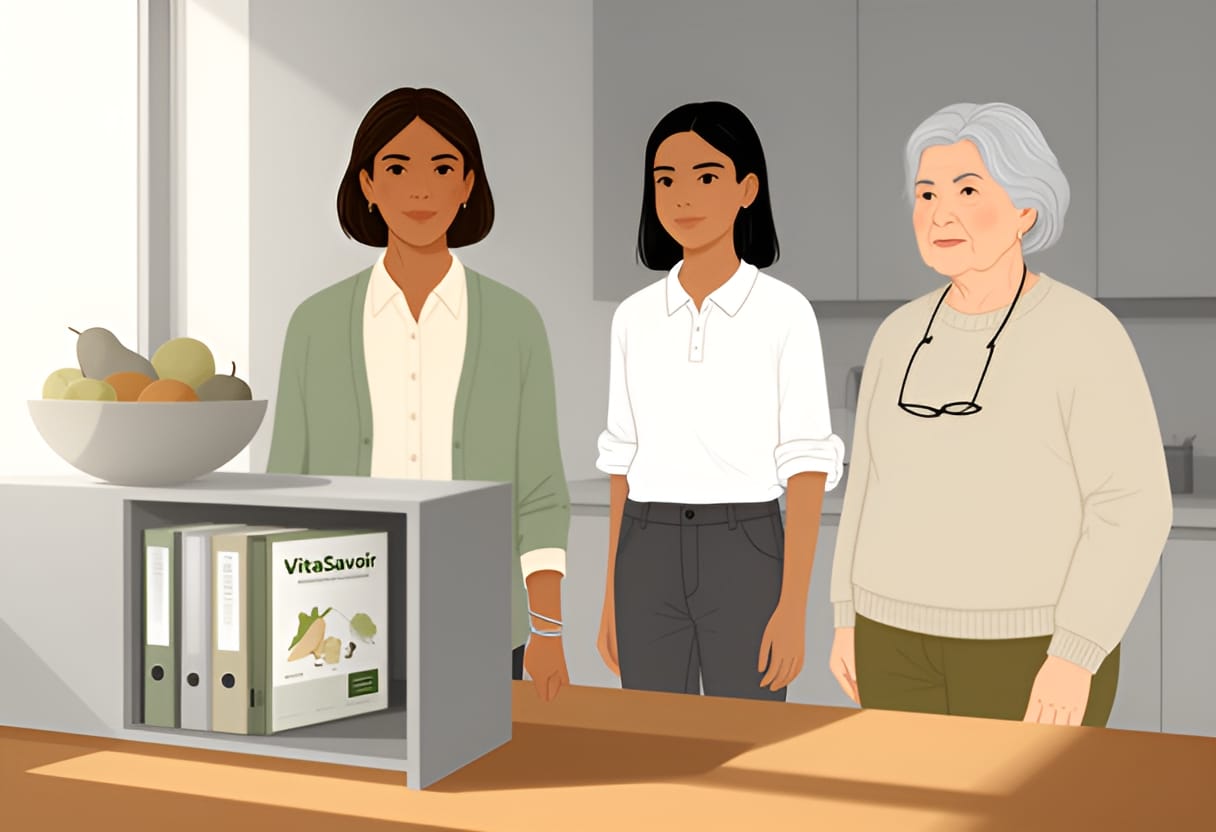
That evening, after dinner, they did their first official update: Marc added the date of Léa’s last dental cleaning; Sophie noted Claire’s most recent INR result (2.8, within target range); and Noah, with his mother’s help, logged his peak flow for the third day in a row—a habit they hoped would catch early signs of asthma exacerbation.
As they closed the binder, Léa traced her finger along the red tab. “It feels weirdly calm,” she said. “Like we finally put the fire out.”
Sophie smiled. “Not because we’re done. But because now, when something comes up, we know where to look.”
Building Core Family Profiles
The Moreau family gathered around the kitchen table with their newly assembled VitaSavoir binder open to the Personal Profiles section. Sophie had printed six blank profile templates—one for each family member, including extra copies for future updates—and placed them in the blue divider sleeves. Marc brought a notebook to jot down questions as they worked, while Léa and Noah watched curiously, ready to fill in their own details. Grandmother Claire, seated comfortably with her reading glasses, offered to start with her own profile so the others could see how it was done.
Defining the Core Data Points
Every personal profile in the VitaSavoir system begins with five essential data points that form the foundation of effective health coordination. These are not arbitrary choices but are drawn from clinical best practices and emergency medicine guidelines to ensure that critical information is immediately accessible when needed.
The first point is full legal name and date of birth, which serves as the primary identifier across medical systems. Discrepancies in naming—such as using a nickname on one form and a full name on another—can lead to mismatched records or delayed care. The second is primary care provider (PCP) name and contact information, including phone number and clinic address. This ensures that any provider treating a family member can quickly coordinate with the doctor who knows their baseline health. The third is insurance details: provider name, group number, member ID, and effective dates. Without this, billing delays or coverage denials can occur, especially during urgent visits.
The fourth point is allergy information, categorized by type (medication, food, environmental) and severity of reaction. This is non-negotiable for safety; even a mild-seeming allergy can escalate, and providers must know to avoid certain drugs or substances. The fifth and final core point is key health markers, which include blood type, chronic conditions (like diabetes or hypertension), and implanted devices (such as pacemakers or insulin pumps). These details influence treatment decisions in emergencies and are often overlooked in casual record-keeping.
For the Moreaus, establishing these five points meant confronting gaps in their current knowledge. Marc realized he didn’t know Sophie’s blood type, and Sophie admitted she’d never recorded Claire’s exact warfarin clinic contact—only that she went “somewhere downtown.” By standardizing what went into each profile, they turned vague awareness into actionable data.
“It’s not about collecting every detail,” Sophie explained, tapping her pen on the template. “It’s about making sure the five things that matter most in a crisis are right here, in the same place, for everyone.”
Handling Sensitive Information with Care
As they worked, Noah asked what to do about information that felt too private to write down—like mental health history or genetic risks. Sophie acknowledged that this was a common concern and emphasized that the VitaSavoir system encourages thoughtful inclusion, not forced disclosure.
For sensitive data such as a family history of breast cancer, a past episode of depression, or carrier status for a genetic condition, the system uses a tiered approach. First, individuals decide what they are comfortable recording in the binder. Second, they determine who should have access—whether it’s just themselves, a spouse, or a designated healthcare proxy. Third, they consider using coded language or abbreviations that are meaningful to them but not immediately obvious to others. For example, instead of writing “BRCA2 positive,” someone might note “Onco screen 2021 – follow up with Dr. Evans,” which preserves privacy while still signaling importance to a trusted reader.
The Moreaus agreed that Claire’s history of anxiety, which had worsened since retiring, would be included in her profile—but only in the “Key Health Markers” section as “History of GAD, managed with therapy and citalopram 20mg daily.” They chose this phrasing because it was clinically accurate, actionable for a provider, and something Claire felt comfortable sharing. Marc added that if Claire ever felt uneasy, they could remove or revise the entry—profiles are living documents, not permanent records.
Léa, who had recently started seeing a school counselor for stress related to transitions to middle school, opted to note “Periodic check-ins with school counseling – coping strategies in place” under her profile. She didn’t want to share specifics but recognized that knowing she had support could contextualize other health notes, like changes in sleep or appetite.
This approach balances thoroughness with respect for autonomy. The binder is a tool for empowerment, not surveillance, and its strength lies in being accurate and consensual.
Comparing Storage Options: Paper vs. Digital
When Léa asked whether they should keep digital copies of the profiles too, Sophie pulled out her phone and opened a note-taking app. This sparked a comparison of paper and digital storage for profile sheets—each with distinct trade-offs in accessibility, security, and resilience.
The paper version, as implemented in the binder, offers immediate physical access during power outages, internet failures, or emergencies where devices may be lost or inaccessible. It requires no login, no battery, and no technical literacy to use—critical factors for older family members like Claire or young children like Noah. The archival-safe sleeves protect against spills and wear, and the binder’s flat-opening design allows quick scanning. However, paper is vulnerable to loss, fire, or theft, and updating it requires reprinting and manual replacement.
The digital version, whether stored in a secure cloud service, encrypted USB drive, or password-protected app, enables remote access, easy sharing with providers via portals, and instant updates. It can include searchable fields, backup redundancy, and audit logs. But it introduces risks: forgotten passwords, hacking, service outages, or compatibility issues. Moreover, not all family members may feel comfortable navigating digital tools, potentially creating access barriers.
To address these concerns, the VitaSavoir system recommends a hybrid model for profiles: keep the master copy in the binder for daily use and emergency readiness, and maintain an encrypted digital backup updated quarterly. The Moreaus chose to store encrypted PDFs of each profile on a USB drive kept in their fireproof safe, with Sophie and Marc as the only ones holding the password. They agreed to review and refresh the digital copies every time they updated the binder—typically after appointments or medication changes.
“I like having the paper in my hands when I’m at the doctor’s,” Claire said, flipping to her profile. “But if I ever lost this binder, I’d want to know the info isn’t gone forever.”
Example Profile: Noah’s Asthma Management
To illustrate how a completed profile looks in practice, the Moreaus finished Noah’s sheet together. His profile exemplifies how the five core points expand to support ongoing condition management while remaining clear and scannable.
| Data Category | Example Entry for Noah Moreau |
|---|---|
| Full Name & DOB | Noah Lucien Moreau, March 14, 2016 |
| Primary Care Provider | Dr. Elise Reynaud, Pediatric Associates, 555-0198 |
| Insurance Details | SantéPlus Insurance, Group #GRP7742, Member ID: MEM-88215 |
| Allergies | Eggs (urticaria, mild); Pollen (seasonal allergic rhinitis) |
| Key Health Markers | Blood type O+; Persistent mild asthma (diagnosed age 4); No implanted devices |
Below this core section, they added a supplemental box titled Condition-Specific Notes, which is encouraged but not required for every profile. For Noah, this included:
- Current Medications: Fluticasone propionate 44 mcg inhalation twice daily (daily); Albuterol sulfate 90 mcg inhalation every 4–6 hours as needed for wheeze or shortness of breath (max 3 doses/24h)
- Asthma Action Plan: Green zone (PEF >80% personal best): continue daily meds; Yellow zone (PEF 50–80%): increase albuterol, contact Dr. Reynaud; Red zone (PEF <50%): use albuterol, seek emergency care
- Triggers: Cold air, exercise, dust mites, cat dander
- Last Pulmonologist Visit: April 3, 2024 – stable, peak flow 280 L/min (85% predicted)
- School Notes: Inhaler kept with nurse; self-carries with teacher permission; PE modifications as needed
This level of detail transforms a simple identifier into a living clinical summary. When Noah visited the school nurse after recess wheezing, she was able to reference his profile—stored in the binder’s Medications section for quick cross-reference—and administer his albuterol confidently, knowing his triggers and action plan. Later, Marc uploaded a photo of the completed profile to the school’s health portal, ensuring consistency between home and school records.
As they sealed Noah’s profile in its clear sleeve, he traced the orange tab for Medications and smiled. “Now if I forget my inhaler at school, they can just look it up,” he said.

Sophie closed the divider. “Exactly. And if we ever need to, we’ll know where to find it—fast.”
Establishing a Weekly Maintenance Routine
The Moreau family gathered around the kitchen table on Sunday evening, the soft glow of the lamp casting long shadows as they opened their VitaSavoir binder. Sophie had set a timer for fifteen minutes—a limit she found kept the routine from feeling burdensome while ensuring they stayed focused. Marc flipped to the Appointments & Logs section, Léa pulled out her mood journal notebook, and Noah climbed onto his chair to reach the Medications divider. This was their first official weekly Health Check-In, a practice designed to transform reactive scrambling into proactive stewardship of their family’s well-being.
Structuring the Weekly Health Check-In
A consistent routine prevents the binder from becoming a static archive and turns it into a living tool. The Moreaus identified four core tasks to perform each week, each taking roughly three to four minutes, ensuring the entire process stayed within their quarter-hour goal. First, they logged any new symptoms or health observations from the past seven days. This included noting fevers, persistent coughs, changes in energy levels, or emotional shifts—details easily forgotten by the next appointment but vital for tracking patterns. Second, they reviewed medication supplies, checking expiration dates and counting remaining pills or inhaler doses to avoid last-minute pharmacy runs. Third, they scanned the upcoming week’s appointments, confirming times, locations, and any required preparations like fasting or bringing prior test results. Finally, they updated the Emergency Preparedness section if anything had changed—such as a new phone number for a contact or a revised evacuation plan after a local weather alert.
These tasks were not arbitrary; each addressed a common failure point in family health management. Symptom logging builds a longitudinal view that helps providers distinguish between acute issues and chronic trends. Medication checks reduce the risk of running out of essential drugs, particularly important for Noah’s asthma controller. Appointment reviews prevent missed visits and the associated delays in care. Emergency updates ensure that, should crisis strike, responders and family can act without hesitation. By binding these actions to a recurring weekly slot, the Moreaus created a feedback loop where small, regular efforts prevented larger, more stressful problems down the line.
To make the routine sustainable, they paired each task with a simple cue. Symptom logging happened right after dinner, when everyone was still at the table. Medication checks followed, using the binder’s orange-tabbed section as a physical prompt. Appointment reviews came next, guided by the purple-divider tab. Emergency updates were last, often triggered by glancing at the red tab or a note on the refrigerator. This sequencing turned the check-in into a ritual, reducing the mental load of deciding what to do next.
Involving Children Age-Appropriately
Engaging Léa and Noah wasn’t just about lightening the parents’ load—it was about building lifelong habits and fostering a sense of ownership over their health. For Léa, now twelve, the Check-In became a chance to practice self-awareness. She used a small notebook tucked into the Wellness Tracking section (yellow tab) to rate her mood each day on a scale of one to five, noting keywords like “anxious before test” or “energetic after soccer.” During the weekly review, she flipped through her entries and shared one observation with the family. This practice helped her recognize patterns—such as increased irritability after poor sleep—and gave Sophie and Marc insight into her emotional world without prying.
Noah, at eight, contributed through concrete, tactile tasks. He was responsible for checking the family’s digital thermometer and two oral syringes kept in the Medications section. Each week, he verified the thermometer had batteries by turning it on and confirmed the syringes were clean and capped. If supplies were low, he placed a sticky note on the refrigerator as a reminder for his parents to reorder. This role gave him meaningful responsibility while teaching him to monitor tools critical to managing his asthma. During flu season, he also helped log daily peak flow readings—a number he took pride in tracking, especially when it stayed in his green zone.
The parents framed these roles as contributions to the family team, not chores. When Léa hesitated to share a low mood score, Sophie said, “Thanks for telling us. That helps us know when you might need extra support.” When Noah proudly announced the thermometer worked, Marc replied, “Great job—you just helped make sure we’re ready if someone gets a fever.” By linking their efforts to tangible outcomes—like avoiding a midnight pharmacy trip or catching a mood shift early—the children saw the value of their participation.
Using a Habit Tracker for Consistency
Even the best intentions fade without a system to reinforce them. To maintain their weekly Check-In, the Moreaus adopted a simple visual habit tracker tucked into the front pocket of their binder. They drew a grid with twelve rows (for months) and four columns (for weekly tasks), labeling each cell with the first letter of the task: S for symptom log, M for medication check, A for appointment review, and E for emergency update. After completing each task, they filled in the corresponding square with a colored pencil—Sophie chose blue for symptom logs, Marc green for medication checks, Léa yellow for appointment reviews, and Noah red for emergency updates.
This tracker served multiple purposes. It provided immediate gratification through visual progress, turning an abstract goal into a chain of colored squares they didn’t want to break. It also revealed patterns—if a column showed gaps, they knew which task was being skipped and could troubleshoot why. During a particularly busy month, Noah noticed the medication column had two empty squares. “We forgot to check the inhalers when Grandma was visiting,” he said. The family adjusted by pairing the medication check with another non-negotiable habit: Sunday night laundry folding.
The tracker also facilitated communication. When Léa saw a streak of yellow squares, she felt encouraged to keep sharing her mood notes. When Marc saw a red square filled after Noah reported the thermometer worked, he felt reassured about their preparedness level. Over time, the grid became a silent conversation about their collective commitment to health readiness.
Illustration
A close-up illustration of the habit tracker grid inside the VitaSavoir binder’s front pocket. The grid shows twelve rows labeled Jan through Dec and four columns labeled S, M, A, E. Several squares are filled with colored pencil marks: blue, green, yellow, and red. A handwritten note in the margin reads: “Updated after Claire’s follow-up – 10/13.”
A Sample Weekly Routine Calendar
To illustrate how the Check-In fits into broader family life, the Moreaus mapped a typical Sunday evening. Their routine began at 6:45 PM, right after clearing the dinner table. At 6:50 PM, Léa shared her mood log highlights while Sophie filed the completed sheet into the Wellness Tracking section. At 6:54 PM, Noah checked the thermometer and syringes, then reported to Marc, who updated the Medications section if needed. At 6:58 PM, Sophie reviewed the upcoming week’s appointments in the Appointments & Logs section, confirming Léa’s orthodontist visit on Tuesday and Claire’s blood work on Thursday. At 7:02 PM, they scanned the Emergency Preparedness section—no changes this week—and Sophie noted that Marc’s work phone number had been updated last month and was already current. The timer buzzed at 7:05 PM, signaling the end of the Check-In. They closed the binder, stored it on the hall shelf near the front door for easy access, and moved on to board games.
This timing ensured the routine didn’t encroach on bedtime but remained fresh in their minds as they prepared for the week ahead. By anchoring it to a consistent transition point—post-dinner, pre-relaxation—they increased the likelihood of adherence, even during hectic weeks.
Try This
This week, begin your family’s Health Check-In with these three steps:
- Choose a regular 15-minute slot—such as Sunday evening or Wednesday morning—and mark it on everyone’s calendar as a recurring event.
- Identify one age-appropriate task for each child: a mood or symptom log for older children, a supply check (like thermometers or bandages) for younger ones.
- Create a simple habit tracker on a sticky note or in the front of your binder, with columns for the four core tasks (symptom log, medication check, appointment review, emergency update) and rows for the next four weeks. Fill in a square each time you complete a task.
Key Takeaways
- A weekly 15-minute Health Check-In transforms the VitaSavoir binder from a static file into an active tool for preventive care and crisis readiness.
- Involving children through age-appropriate tasks—such as symptom logging for teens and supply checks for younger kids—builds health literacy and shared responsibility.
- A visual habit tracker, using colored marks to log completed tasks, reinforces consistency and highlights patterns for improvement.
- The four core weekly tasks—symptom logging, medication review, appointment preview, and emergency update—address common gaps in family health management.
- Anchoring the routine to a consistent cue, like post-dinner cleanup, increases adherence by linking it to existing habits.

Chapter 2
Managing Medical Information and Daily Care
Tracking Illnesses, Symptoms, and Recovery
The Moreau family’s Sunday Health Check-In had become a quiet ritual, but it was Léa’s sudden fever on a Tuesday morning that truly tested the VitaSavoir binder’s purpose. Sophie pulled the green-tabbed Medical History section from the binder and opened to a fresh symptom log page, realizing that consistent tracking could turn anxiety into actionable insight.
Designing an Effective Symptom Log
A symptom log transforms subjective feelings into objective data, helping families distinguish between normal illness progression and warning signs. The key is simplicity: time-stamped entries paired with clear severity scales allow patterns to emerge without overwhelming the recorder. For common illnesses like colds, flu, or stomach bugs, tracking six core symptoms provides a clinically useful snapshot.
Sophie began by drawing a table with four columns: Time, Symptom, Severity (1–5), and Notes. She kept the design minimal—just enough structure to ensure consistency without burdening Léa or herself during caregiving. The 1–5 scale worked well for subjective experiences like fatigue or discomfort, while objective measures like temperature or fluid intake used concrete units.
| Symptom | Why Track | How to Measure |
|---|---|---|
| Fever | Indicates infection severity and guides medication timing | Digital thermometer; note time and reading |
| Cough | Tracks respiratory involvement and potential complications | Frequency (episodes/hour) and sound (dry/wet) |
| Hydration | Prevents dehydration, especially with vomiting or diarrhea | Fluid intake (oz/mL) and urine output |
| Pain/Discomfort | Identifies localized issues like earache or sore throat | Location and 1–5 scale |
| Energy Level | Reflects overall toll of illness and recovery progress | Activity level (1=bedridden, 5=normal play) |
| Sleep Quality | Disrupted sleep often correlates with symptom severity | Hours slept and night wakings |
This framework ensures that logs capture both what clinicians need and what caregivers can realistically maintain during illness.
When to Act on Symptom Data
Not every symptom requires a medical visit, but certain patterns should prompt professional consultation. The family established clear thresholds based on pediatric guidelines: a fever above 104°F (40°C), any fever lasting more than 72 hours, difficulty breathing, inability to keep fluids down for over 12 hours, or lethargy that doesn’t improve with rest.
Sophie used Léa’s log to make these decisions in real time. On day two, Léa’s fever spiked to 103.8°F at 2:00 PM, but her hydration remained adequate and she was alert enough to complete her mood log in the Wellness Tracking section. By day three, the fever had broken, but a persistent cough and reduced energy led Sophie to schedule a telehealth visit—not because of alarming symptoms, but because the log showed the illness was lingering longer than expected for a typical virus.

The log became a communication tool. When the pediatrician asked for a symptom timeline, Sophie shared the completed page. The provider noted the steady fever curve and good hydration, confirming home care was appropriate, and offered specific guidance on managing the post-viral cough. Without the log, the family might have either rushed to the clinic unnecessarily or delayed care amid uncertainty.
Illustration
A completed symptom log for Léa’s illness, showing time-stamped entries from Day 1 to Day 4. Columns include Time, Symptom, Severity (1–5), and Notes. Annotations highlight key clinical decision points: fever peak at 103.8°F on Day 2, adequate fluid intake logged throughout, and a telehealth visit triggered on Day 3 due to prolonged cough and low energy despite resolving fever.
Integrating Logs into Routine Care
The true value of symptom tracking emerged during the family’s next Health Check-In. Léa, still recovering, used her yellow-tabbed notebook to rate her energy as a 3/5 and noted lingering fatigue. Sophie reviewed the symptom log alongside Léa’s mood entries, seeing how the objective data matched her daughter’s subjective experience.
They added a new habit to their weekly routine: during the Health Check-In, they would review any recent illness logs to identify patterns and update the family’s collective understanding of what “normal” recovery looks like for each member. For Noah, this meant correlating peak flow readings with cold symptoms; for Claire, it involved connecting blood pressure logs to how she felt during hypertensive episodes.
This practice turned the binder from a reactive tool into a proactive one. By documenting illnesses consistently, the family built a personal health baseline that made deviations easier to spot. They also reduced the cognitive load on caregivers—Sophie no longer had to rely on memory to report symptoms accurately, and Léa felt heard because her experience was recorded and validated.
The symptom log, once a crisis response, had become a cornerstone of their ongoing health dialogue.
They also began using the log to anticipate needs before the next illness struck. After reviewing Léa’s tracker, Sophie noticed a pattern: fluid intake consistently dropped during the first 24 hours of fever, even when Léa didn’t report feeling thirsty. This insight led them to add a proactive hydration reminder to Noah’s weekly medication check task—now, during the Health Check-In, he verifies that oral rehydration solution packets are stocked in the emergency preparedness section and notes any expired supplies.
The family refined their log format based on what proved useful. They added a small column for “Interventions” to track what actions were taken—such as administering acetaminophen, using a humidifier, or offering electrolyte popsicles—and whether they seemed to help. This turned the log into a rudimentary effectiveness tracker, helping them distinguish between interventions that provided real relief and those that were habitual but low-impact.

Sophie also recognized the log’s value beyond acute illness. When Claire complained of vague fatigue during her weekly blood pressure check, Marc suggested reviewing her symptom entries from the past month. Though not designed for chronic symptom tracking, the log revealed a subtle trend: her energy scores had dipped slightly over three weeks, coinciding with higher salt intake noted in her nutrition jottings. While not diagnostic, the pattern prompted a conversation with her cardiologist about adjusting her medication timing relative to meals.
The children, too, found ownership in the process. Léa started asking to “see her fever chart” when she felt under the weather, treating the log as a way to understand her own body. Noah, inspired by her example, began tracking his peak flow readings alongside his cold symptoms in a separate notebook, hypothesizing that his asthma worsened with certain viruses—a theory he hoped to discuss with his allergist at their next visit.
By the end of the week, the symptom log had done more than document an illness; it had strengthened the family’s capacity to observe, interpret, and respond to health changes with clarity. The binder, once a repository for papers, now felt like a living record of their collective well-being—a tool that turned uncertainty into informed action, one time-stamped entry at a time.
Organizing Medications and Supplements
The Moreau family gathered at their kitchen table on a quiet Tuesday evening, the binder open to the orange-tabbed Medications section. Sophie had just returned from the pharmacy with Claire’s renewed prescription for lisinopril, and Noah’s asthma inhaler needed a refill check. Marc sorted through a loose pile of pill bottles and supplement jars that had accumulated on the counter—a weekly ritual that often ended with questions like, “Did we already give Noah his vitamin D today?” or “Is this the new blood pressure pill or the old one?”
They began by listing every substance each family member took regularly, from prescribed medications to over-the-counter pain relievers and daily vitamins. As they worked, Sophie realized they needed a standardized way to capture key details without overwhelming the page. She proposed a medication chart with eight essential fields: drug name, dosage, frequency, route, prescriber, start date, purpose, and special instructions. Each field served a specific safety or organizational purpose, she explained. Knowing the route—whether oral, inhaled, or topical—prevented administration errors, especially with Noah’s inhaler. Recording the prescriber helped track which doctor to contact for refills or concerns, while the start date flagged medications that might need reevaluation. Special instructions covered nuances like “take with food” or “avoid sunlight,” which were easy to forget but critical for effectiveness and safety.
To illustrate, Sophie filled out a sample row for Claire’s lisinopril. She wrote the drug name as Lisinopril, dosage as 10 mg, frequency as Once daily, route as Oral, prescriber as Dr. Evans (Cardiology), start date as 09/15/2023, purpose as Hypertension management, and special instructions as Take in the morning; monitor for dizziness or cough. She noted that if Claire ever saw a new provider or went to the emergency room, this single line could convey vital information quickly and accurately.
Next, they addressed how to distinguish between prescription, OTC, and supplement entries—a crucial step for avoiding interactions. Sophie suggested using simple labels: Rx for prescription, OTC for over-the-counter, and Supp for dietary supplements. She explained that while all three could affect the body, supplements often lacked rigorous testing and could interfere with prescribed drugs. For example, Claire took a daily calcium supplement for bone health, but her cardiologist had warned her that high-dose calcium might reduce the absorption of certain blood pressure medications if taken too close together. By labeling it as Supp and noting the timing concern in the special instructions column, the family created a visual cue to separate it from her lisinopril in both thought and practice.
They applied the same system to Noah’s medications. His albuterol inhaler was marked Rx, with dosage noted as 2 puffs every 4–6 hours as needed for wheezing. Sophie pointed out that unlike pills, inhalers required tracking usage frequency to gauge asthma control. They added a dedicated log in the Medications section—a small table with columns for Date, Time, Number of Puffs, Trigger (if known), and Effectiveness (1–5). Noah agreed to update it after each use, turning his inhaler into a monitored tool rather than an as-needed guesswork item. During their last allergist visit, the log showed a pattern of increased usage during humid days, prompting a discussion about adjusting his controller medication.
For topical treatments, they adapted the same principle. When Léa developed a mild eczema flare, Sophie recorded the hydrocortisone cream as OTC, 1%, applied twice daily to affected areas, with special instructions to avoid broken skin and discontinue after seven days unless directed by a doctor. They noted that tracking topicals prevented overuse and helped identify whether a product was truly helping or merely being applied out of habit.
The family then turned to organizing the physical medications. Sophie pulled out a weekly pill organizer with seven compartments labeled Monday through Sunday, each subdivided into morning, noon, and night. She explained that such organizers worked well for stable regimens but posed risks if medications changed frequently. Noah’s once-daily vitamin D3, for instance, fit perfectly in the morning slot, but Claire’s blood pressure pill—recently adjusted from 5 mg to 10 mg—required a system that could accommodate mid-week updates without confusion.
To compare options, they created a simple table:
| Organizer Type | Best For | Limitations |
|---|---|---|
| Weekly pillbox (7-day) | Stable, long-term prescriptions | Hard to update if dose changes mid-week |
| Daily pillbox with lids | Complex regimens, multiple times/day | Bulky; easy to misplace lids |
| Medication chart with admin log | Variable or as-needed meds | Requires consistent updating |
| Original bottles with color-coded stickers | Infrequent or specialty meds | Less portable; relies on visual cues |
They decided on a hybrid approach. For Claire’s daily lisinopril and Noah’s vitamin D3, they used the weekly pillbox, filling it each Sunday during their Health Check-In. For Sophie’s prenatal vitamins—which she took only during the first trimester and had since discontinued—they kept the bottle in the binder’s pocket with a note: Discontinued 11/30; restarted if pregnancy confirmed. For Noah’s albuterol inhaler, which was used intermittently, they left it in its original box with a red sticker on the cap and logged each use in the chart. Claire’s nitroglycerin tablets, kept for emergency angina relief, remained in their glass vial with a yellow sticker indicating “For chest pain only—call 911 if no relief after 3 doses.”
To prevent errors, they adopted a color-coded sticker system: green for daily maintenance meds, yellow for as-needed or emergency drugs, and blue for supplements. Sophie explained that the colors acted as a quick visual double-check—especially helpful when Marc or Léa helped with medication duties. During a busy morning, Marc reached for Noah’s inhaler, saw the yellow sticker, and paused to confirm it was indeed time for a dose based on Noah’s wheezing, rather than giving it out of routine.
They also instituted a monthly review ritual. On the first Sunday of each month, during their extended Health Check-In, they would go through the medication chart and pillbox together. Sophie would verify that each medication still had a clear purpose, check expiration dates, and cross-reference supplements with current medical advice. Last month, this review revealed that Léa had been taking a gummy multivitamin containing vitamin A, which, combined with her fortified cereal intake, approached the upper limit for her age. After consulting their pediatrician, they switched to a lower-dose formula.
As they closed the binder, Sophie reflected on how much calmer their medication routine felt. What had once been a source of daily uncertainty—worrying over missed doses, mixing up pills, or forgetting whether a supplement was still needed—had become a structured, visible process. Noah, watching his mother place the inhaler back in its slot with its red sticker facing outward, said, “Now I know when I need it, and I can show the doctor how often I’ve been using it.” The medication section was no longer just a list; it was a living tool that turned confusion into clarity, one field, one sticker, one logged puff at a time.
Maintaining Vaccination and Preventive Care Records
The Moreau family gathered at their kitchen table on a quiet Tuesday evening, the binder open to the Vaccination and Preventive Care section. Sophie had printed the CDC’s recommended immunization schedules for all age groups and laid them out alongside Léa’s misplaced school HPV vaccine notice, which had resurfaced in a backpack pocket two days after the deadline. The near-miss had sparked a resolve to create a system that would prevent such oversights in the future.
They began by reviewing the standard schedules, recognizing that each family member fell into a different category. Léa, at 12, was in the adolescent range; Noah, 8, in the childhood range; Sophie, in her 40s, in the adult range; and Claire, at 70, in the older adult range. Marc, though not present that evening, would need similar attention as a man in his 40s. Sophie pointed out that while childhood vaccines often follow a rigid timeline, adolescent and adult vaccines are more opportunistic—tied to life events, travel, or changes in health status—making them easier to overlook without intentional tracking.
To build their tracker, they adapted a table format similar to the medication log but tailored to vaccines. Each entry included: vaccine name, dose number (e.g., Dose 1 of 2), date administered, provider or clinic, lot number, expiration date (if applicable), next dose due, and notes. They used the binder’s archival sleeves to store copies of immunization cards and printouts from patient portals, labeling each with the family member’s name and year.
Sophie emphasized that lot numbers and expiration dates were not just bureaucratic details—they were critical for safety tracking. In the event of a manufacturer recall or a concern about vaccine efficacy, having the lot number allowed them to quickly determine if a dose was affected. She cited a 2021 incident where a specific lot of a pediatric vaccine was recalled due to potential storage issues; families who had recorded lot numbers were notified promptly, while others faced uncertainty. The Moreau family decided to log lot numbers for every vaccine, even those without expiration dates, as a habit of precision.
They started with Léa’s HPV vaccine, which had been delayed. The school notice had recommended the first dose at age 11–12, with a second dose 6–12 months later. Since Léa had just turned 12 and missed the school-based clinic, they needed to schedule a catch-up dose. Sophie called their pediatrician’s office and requested an official immunization record, which they received via secure portal within 24 hours. The record showed Léa was up to date on all childhood vaccines except HPV and meningococcal conjugate vaccine (MenACWY), both due at her age.
They added an entry for Léa’s HPV vaccine: Dose 1, administered today at the pediatric clinic, lot number 2J45A, expiration 08/2025, next dose due in 6 months. They noted that the provider had also offered the MenACWY vaccine, which they decided to administer the same day to minimize visits. A second entry followed: MenACWY, Dose 1, same date, lot number 7X92B, expiration 11/2024, booster due at age 16.
For Noah, they reviewed his records and saw he was due for his annual influenza vaccine and had completed his DTaP and MMR series. They added a planned entry for the flu vaccine, to be administered in October, with a note to check the clinic’s lot number at the time of administration. Sophie explained that while flu vaccines are reformulated annually and thus don’t carry long-term expiration tracking, recording the lot number still helped trace any adverse reactions to a specific batch.
Claire’s records revealed she had received her pneumococcal vaccines (PCV20 and PPSV23) and her most recent shingles vaccine (Shingrix, Dose 2) two years prior. They noted that Shingrix requires two doses spaced 2–6 months apart, and since she had completed the series, her next action was to stay current with annual influenza and updated COVID-19 vaccines. They added a placeholder for her upcoming flu vaccine and noted that her tetanus booster (Tdap) was due in two years, based on her last dose at age 65.
To ensure consistency, they integrated vaccination updates into their weekly Health Check-In. Every Sunday, after reviewing symptom logs and medication charts, they would scan the vaccination tracker for any doses due in the coming month. Sophie created a simple color-coded sticker system for the binder’s pocket: green for up to date, yellow for due within 30 days, and red for overdue. Léa was assigned to update the stickers each week, turning the task into a routine check.
They also discussed how to handle records from pharmacies or travel clinics. Sophie explained that when receiving a vaccine outside their primary care office—such as a travel typhoid vaccine before a trip to Central America—they should always request a printed or digital proof of immunization that included the vaccine name, date, lot number, and provider contact. They would then file it in the binder and update the tracker. For international travel, they noted that some countries require proof of yellow fever or meningococcal vaccination, and having organized records would streamline the process.
As they closed the binder, Marc returned from walking the dog and asked what they’d been working on. Sophie showed him the tracker, pointing out Léa’s HPV entry. “It’s not just about checking a box,” she said. “It’s about knowing exactly what we’ve got, when it expires, and what’s coming next—so we’re never scrambling for a lost notice again.” Noah added, “Now I can tell the doctor exactly when I got my last flu shot, and what lot it was.” The vaccination section was no longer a passive file; it had become an active safeguard against preventable gaps in protection.
Monitoring Vital Signs and Chronic Conditions
Claire wrapped the blood pressure cuff around her upper arm and pressed the start button on the automatic monitor. The device inflated, then slowly deflated as it measured the force of blood against her artery walls. When the reading appeared—138/86 mm Hg with a pulse of 72—she picked up her pen and logged it in the VitaSavoir binder under the Vital Signs section. Beside the numbers, she noted the time: 7:15 a.m., before breakfast and before taking her metoprolol. In the margin, she added a reminder: “Had salted nuts last night.” This simple ritual, begun two weeks after her hypertension diagnosis, was becoming the cornerstone of managing her condition at home.
Home monitoring of vital signs transforms subjective feelings into objective data. For chronic conditions like hypertension, asthma, or diabetes, trends in these measurements often reveal patterns that single office visits miss. The Moreau family focused on four key vital signs suitable for home tracking: blood pressure, heart rate, respiratory rate, and temperature. Each requires specific tools and techniques to ensure accuracy and usefulness.
| Vital Sign | Recommended Home Device | Key Consideration for Accuracy |
|---|---|---|
| Blood Pressure | Upper-arm automatic monitor (validated) | Cuff size must match arm circumference |
| Heart Rate | Pulse oximeter or manual palpation | Rest for 5 minutes before measuring |
| Respiratory Rate | Stopwatch and observation | Count for full 60 seconds at rest |
| Temperature | Digital oral or temporal artery thermometer | Wait 15 minutes after eating or drinking |
Claire chose an upper-arm monitor validated by the British Hypertension Society, avoiding wrist or finger devices known for higher variability. Sophie helped her select the correct cuff size by measuring Claire’s mid-arm circumference—32 cm—matching it to the manufacturer’s large adult cuff. Noah, meanwhile, used a peak flow meter for his asthma, a device that measures how fast he can expel air from his lungs. Marc tracked his resting heart rate each morning using a smartwatch, verifying it weekly by palpating his radial pulse for a full minute.
To make the data meaningful, they structured their logs to show trends over time. Instead of isolated numbers, each entry included contextual details that could explain fluctuations. Claire’s blood pressure log had columns for date, time, systolic/diastolic pressure, pulse, medication taken, recent salt intake, and notes on stress or sleep. Noah’s peak flow log recorded his best of three attempts each morning and evening, alongside triggers like cold air, exercise, or pollen exposure. These logs lived in the Vital Signs section of the binder, each on a two-page spread with grid lines for easy plotting.
Three rules guided their measurements to ensure reliability. First, rest and prepare: sit quietly for five minutes with feet flat, back supported, and arm at heart level before measuring blood pressure. Second, consistency in timing: take readings at the same times each day—such as morning before medication and evening before dinner—to reduce variability from circadian rhythms. Third, verify technique: for blood pressure, ensure the cuff is snug but not tight, the bladder encircles at least 80% of the arm, and no talking occurs during measurement. For glucose, wash hands thoroughly to avoid false highs from fruit residue; for peak flow, stand and use the same posture each time.
Over four weeks, Claire’s log revealed a clear trend linked to lifestyle adjustments. In week one, her average morning blood pressure was 142/88 mm Hg after nights of higher salt intake—often from canned soup or salty snacks. By week three, after reducing processed foods and using herbs instead of salt, her average dropped to 130/82 mm Hg. The log also showed that readings taken after her evening walk were consistently 5–7 points lower than sedentary evenings. She brought this log to her cardiologist, who noted the correlation and affirmed her efforts, making no medication changes but encouraging continued monitoring.
Illustration
A two-page spread from the VitaSavoir binder showing Claire’s blood pressure log. The left page has a table with columns for Date, Time, Systolic, Diastolic, Pulse, Meds Taken, Salt Intake (Low/Med/High), and Notes. Entries span four weeks, with handwritten notes like “Had pretzels” and “Walked 30 min.” The right page displays a simple line graph plotting systolic and diastolic trends over time, with a dotted line marking the 130/80 mm Hg target.
The act of logging created a feedback loop. Seeing the numbers encouraged Claire to choose fresh vegetables over frozen meals. When Noah’s peak flow dropped below 80% of his personal best during high-pollen days, he used his rescue inhaler earlier and avoided outdoor soccer practice. These early interventions prevented escalation. Sophie emphasized that the goal was not perfection but awareness—knowing their baselines and recognizing deviations worth discussing with a provider.
As the family reviewed the logs during their weekly Health Check-In, Marc pointed out that Claire’s pulse had stayed in the 60s and 70s, indicating her metoprolol was controlling her heart rate effectively. Léa observed that Noah’s evening peak flow was often lower than his morning reading, suggesting nocturnal asthma symptoms worth discussing with his allergist. These insights turned raw data into shared understanding, reinforcing the binder’s role not just as a archive but as a tool for proactive care.
Try This
This week, choose one vital sign to monitor at home based on your family’s health needs. Follow these steps:
- Select a validated device (e.g., upper-arm blood pressure monitor or digital thermometer) and prepare a simple log with columns for date, time, reading, and one contextual factor (like medication, activity, or diet).
- Take measurements at the same time each day for three consecutive days, resting for five minutes beforehand.
- Review the results together and note any patterns or surprises—then decide whether to continue tracking or adjust your approach.
Key Takeaways
- Home monitoring of blood pressure, heart rate, respiratory rate, and temperature provides objective data to manage chronic conditions and detect trends early.
- Structuring logs with contextual details—such as medication timing, salt intake, or exposure to triggers—turns numbers into actionable insights for care decisions.
- Accuracy depends on proper preparation, consistent timing, and correct technique; small errors in measurement can lead to misleading trends and inappropriate responses.

Chapter 3
Preparedness, Communication, and Long-Term Care
Building an Emergency Preparedness Section
The Moreau family sat in the dim glow of their kitchen candles, the refrigerator humming silently after the power had gone out an hour earlier. Sophie checked her phone—no signal—and Marc flipped through a stack of mail looking for the flashlight batteries they swore they’d bought last month. Eight-year-old Noah tugged at his mother’s sleeve, his asthma inhaler clutched tightly in his small hand. “Is Nana Claire okay?” he asked, voice tight with worry. Upstairs, Claire stirred in her bed, reaching for her nightstand where her blood pressure pills usually sat—only to find the bottle missing from its usual spot. In the darkness, the family realized how quickly routine care could unravel when systems failed.
This moment of vulnerability became the catalyst for completing the Emergency Preparedness section of their VitaSavoir binder—a tab they had started but left unfinished amid the busyness of school schedules and doctor’s appointments. Now, with the house quiet and the candles flickering, they gathered at the kitchen table to build a resource that could speak for them when they couldn’t.
Core Components of an Emergency Health Sheet
In a crisis, first responders need immediate access to critical health information—not a full medical record, but a concise summary that enables safe, effective care. The VitaSavoir system recommends an emergency health sheet containing five essential components: current medications, allergies, chronic conditions, emergency contacts, and key medical devices. Each element serves a distinct purpose in preventing harm and guiding treatment.
Current medications help avoid dangerous interactions—such as giving a decongestant to someone on MAO inhibitors or missing a dose of anticoagulants during trauma care. Allergies prevent life-threatening reactions to medications like penicillin or latex. Chronic conditions (e.g., diabetes, heart failure, asthma) alert providers to baseline risks that might explain symptoms or complicate interventions. Emergency contacts ensure someone who knows the patient’s history can be reached quickly, especially if the patient is unable to communicate. Finally, listing medical devices—such as pacemakers, insulin pumps, or home oxygen—helps responders avoid interference (e.g., not placing defibrillator pads over a pacemaker) and understand dependencies.
For the Moreaus, completing this sheet meant gathering details they had tracked elsewhere in the binder but never consolidated for emergencies. Sophie pulled out Claire’s Medications tab and copied her current list: lisinopril 10mg daily, atorvastatin 20mg at night, and aspirin 81mg for cardiac prophylaxis. From Noah’s profile, she noted his albuterol inhaler (two puffs every four hours as needed for wheezing) and his allergy to amoxicillin (rash and swelling). Marc added that Claire used a CPAP machine nightly for sleep apnea and that Noah’s spacer was kept with his inhaler in the kitchen drawer. They designated Sophie as the primary emergency contact for both children, with Marc as secondary, and listed Claire’s cardiologist and pharmacy numbers under her contacts.
To make the sheet usable under stress, they formatted it as a clean, one-page document with clear headings and bullet points—no paragraphs, no jargon. They printed it on bright yellow paper so it would stand out in a drawer or bag and placed a copy in each family member’s personal profile section, as well as a master copy in the Emergency Preparedness tab marked with a red divider.
Designing Wallet-Sized Emergency Cards
While a full emergency health sheet is vital for home or clinic use, emergencies often happen away from the house—at school, during travel, or in public spaces. For these moments, the Moreaus created compact, wallet-sized emergency cards for each family member, designed to fit in a purse, wallet, or backpack.
Each card contains the same five core elements as the health sheet but distilled to fit on a 3.5” x 2” template—approximately the size of a business card. The layout prioritizes scannability: large, sans-serif font for the name and date of birth at the top, followed by bolded section labels (MEDICATIONS, ALLERGIES, CONDITIONS, CONTACTS) with concise entries underneath. To save space, they used standard abbreviations accepted by emergency personnel: “CAD” for coronary artery disease, “T1D” for type 1 diabetes, “PEANUT” for peanut allergy, and “NKDA” for no known drug allergies. Medications were listed with name and dose only (e.g., “Lisinopril 10mg”), omitting frequency unless critical (like insulin).
For Léa, who has no chronic conditions but carries an EpiPen for a severe peanut allergy, her card read:
LÉA MOREAU DOB: 03/14/2012 ALLERGIES: PEANUT (EpiPen required) CONDITIONS: None MEDICATIONS: EpiPen 0.3mg CONTACTS: SOPHIE MOREAU (555-0192), MARC MOREAU (555-0188)
Noah’s card included his asthma and amoxicillin allergy, while Claire’s highlighted her atrial fibrillation, lisinopril, and CPAP use. The family laminated each card for durability and attached them to key rings or slipped them into ID holders. Sophie kept hers in her wallet; Marc taped his to the inside of his work badge; Léa clipped hers to her school backpack; and Noah’s lived in his Cub Scout pouch. Claire, who rarely left the house without her purse, kept hers in the zippered compartment alongside her glasses.
To ensure the information stayed current, they added a quarterly reminder to their habit tracker: “Review emergency cards – E” (for Emergency update), scheduled during their Sunday evening Health Check-In. This way, if a medication changed or a new allergy was identified, the cards would be updated before the next crisis.
Securing Digital Backups with Redundancy
Recognizing that paper could be lost, damaged, or inaccessible during floods or fires, the Moreaus established three layered methods for securing digital backups of their health records—following the VitaSavoir principle of redundancy: encrypted USB drive, secure cloud storage, and trusted-contact sharing.
Their primary backup lived on an encrypted USB drive stored in their fireproof safe, a practice they had already begun during Chapter 2. Sophie and Marc were the only ones who knew the password, which they updated every six months using a passphrase system tied to a family inside joke—easy for them to remember, hard for others to guess. The drive contained PDF versions of each personal profile, the emergency health sheets, and a master medication list, all clearly labeled and dated.
As a second layer, they uploaded the same encrypted files to a zero-knowledge cloud service—meaning not even the provider could access the data without the decryption key. Sophie chose a provider that offered two-factor authentication and end-to-end encryption, uploading the files during their monthly “digital refresh” session. This ensured that even if the physical drive was destroyed, the information could be retrieved from any internet-connected device.
Finally, they shared a view-only version of the emergency health sheets with two trusted individuals: Claire’s sister, who lived nearby and could respond quickly in a medical emergency, and Marc’s brother, who was often listed as an emergency contact for the children. These files were not full records but contained only the emergency essentials—enough to guide care until the primary contacts could be reached. Access was granted via secure email links that expired after 30 days, reducing long-term exposure.
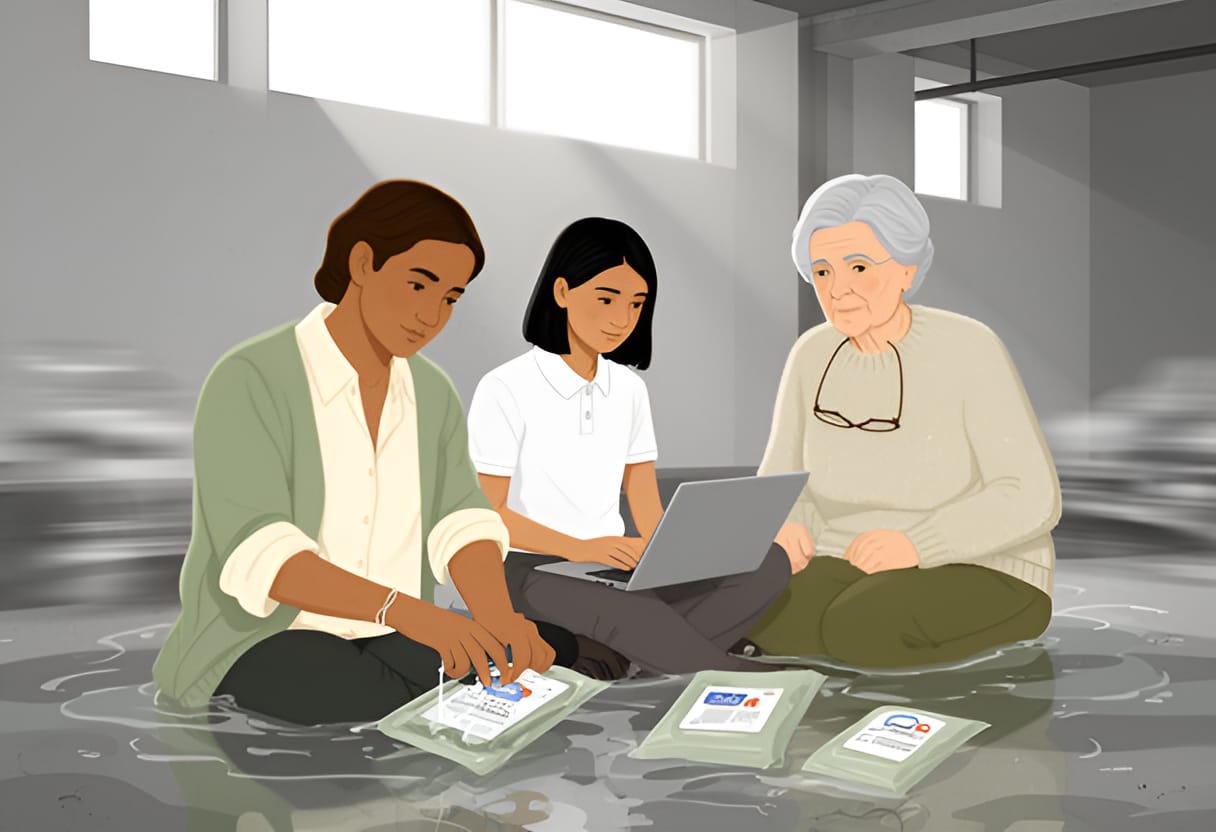
To test their system, they simulated a scenario: a sudden storm knocks out power and floods the basement, making the safe inaccessible. Marc grabs his wallet, finds Claire’s emergency card, and calls her sister, who accesses the cloud backup from her tablet and forwards the medication list to the paramedics en route. The redundancy worked—no single point of failure compromised their preparedness.
Comparing Preparedness Needs: Disasters vs. Medical Emergencies
Not all emergencies demand the same response, and the Moreaus learned to tailor their preparations based on likely scenarios. They created a simple comparison to guide their planning, distinguishing between natural disasters (e.g., hurricanes, blizzards, power outages) and acute medical emergencies (e.g., stroke, severe allergic reaction, fall with injury).
| Aspect | Natural Disasters | Medical Emergencies |
|---|---|---|
| Primary Concern | Sustained access to care, supplies, and shelter | Immediate treatment and information transfer |
| Critical Info | Medication lists, device needs, pharmacy contacts | Allergies, chronic conditions, emergency contacts |
| Access Method | Physical grab-and-go kit; digital backups | Wallet card; phone-accessible records |
| Duration | Hours to days; requires self-sufficiency | Minutes to hours; depends on rapid response |
| Example Need | 72-hour supply of refrigerated medication (via cooler with ice packs) | Immediate availability of EpiPen or nitroglycerin |
This table helped them prioritize. For natural disasters, they focused on building a grab-and-go packet: a waterproof bag containing printed emergency sheets, a seven-day supply of essential medications (rotated quarterly), copies of insurance cards, a list of utility outage numbers, and a charged power bank for phones. They stored it in the hall closet, near the front door, and practiced retrieving it during their quarterly drills.
For medical emergencies, they emphasized speed and accessibility—ensuring wallet cards were always on person, that the emergency health sheet was visible on the fridge (held by a magnet), and that 911 could be called quickly with medical info ready to relay. They also programmed “ICE” (In Case of Emergency) contacts into their phones labeled clearly: “ICE – Sophie” and “ICE – Marc.”
By the time the power flickered back on, the Moreaus had completed their Emergency Preparedness section—not as a theoretical exercise, but as a living tool forged in real need. The binder’s red divider now held not just paper, but peace of mind: a system designed not only to organize health information, but to protect it when it mattered most.
Preparing a One-Page Clinical Summary for Specialist Consultations
When Claire’s cardiologist recommended a surgical evaluation for her atrial fibrillation, Sophie pulled the binder from the shelf and turned to Claire’s Personal Profiles section. She knew the specialist would need a concise, accurate snapshot of Claire’s health—not a thick stack of papers. Using the VitaSavoir system, they created a one-page clinical summary that distilled essential information into a format specialists could scan in under two minutes.
The summary began with Claire’s core identifiers: full legal name, date of birth, and primary care provider contact. Below that, Sophie listed Claire’s key health markers from the habit tracker—her average resting heart rate over the past month (78 bpm), her most recent blood pressure trend (128/76 mmHg), and her weight stability (no significant change in six months). These were drawn directly from the Wellness Tracking section, where Claire had logged daily vitals after noticing decreased energy.
Next came a condensed medical history: paroxysmal atrial fibrillation diagnosed in 2021, controlled hypertension, and no history of stroke or bleeding disorders. Sophie included dates and outcomes where relevant—such as her successful cardioversion in March 2023 and her lack of adverse reactions to anticoagulants. Allergy information followed: no known drug allergies, but a mild latex sensitivity noted during a dental procedure.
The medication list came next, pulled from the orange Medications divider. Each entry included the drug name, dose, frequency, and purpose—apixaban 5 mg twice daily for stroke prevention, metoprolol 50 mg daily for rate control, and atorvastatin 20 mg nightly for cholesterol. Sophie added a note about adherence: Claire had missed two doses in the past 90 days, both during travel, and had since resumed her routine with a pill organizer.
Finally, the summary ended with current concerns and goals. Sophie wrote: “Patient reports decreased exercise tolerance over past six weeks, correlated with increased salt intake and reduced hydration. Seeking evaluation for rhythm control options to improve quality of life while maintaining stroke prevention.” This framed the consultation around Claire’s lived experience, not just test results.
When they arrived at the cardiologist’s office, Sophie handed the one-page summary to the nurse during check-in. The nurse glanced at it, nodded, and said, “This is exactly what we need.” The cardiologist later told Sophie that having this summary saved nearly ten minutes of baseline questioning, allowing more time to discuss procedure risks and benefits. Claire felt heard; the specialist could focus on shared decision-making instead of gathering basics.
Five Questions to Ask When Reviewing a New Diagnosis or Treatment Plan
During Claire’s preoperative visit, the surgeon recommended a left atrial appendage closure procedure as an alternative to long-term anticoagulation. Sophie felt overwhelmed by the terminology and risks. Remembering the VitaSavoir principle of informed advocacy, she pulled out a notepad and wrote down five essential questions—guided by the binder’s Appointments & Logs section, where they tracked past consultations.
She asked them in this order, pausing for clear answers:
- What is the goal of this treatment, and how will we know if it’s working?
This clarified whether the aim was symptom relief, risk reduction, or cure. The surgeon explained the procedure aimed to reduce stroke risk by sealing off the appendage where clots form, with success measured by post-op imaging and elimination of the need for anticoagulants.
- What are the most common and most serious risks, and how likely are they in someone like Claire?
Sophie wanted specificity, not vague assurances. The surgeon cited a 1–2% risk of pericardial effusion and a less than 0.5% risk of device embolization, noting Claire’s age and heart size placed her in the average-risk category.
- What are the alternatives, including the option of no treatment?
This opened the door to shared decision-making. The surgeon reviewed continuing apixaban (with its 1% annual bleeding risk), trying a different anticoagulant, or pursuing catheter ablation—each with trade-offs in efficacy, lifestyle impact, and follow-up burden.
- What does recovery look like, and what support will we need at home?
Sophie needed to plan for Noah and Léa’s care during Claire’s recuperation. The surgeon outlined an overnight hospital stay, limited lifting for two weeks, and a follow-up transesophageal echocardiogram at one month—details they later added to their preoperative tracker.
- How experienced is the care team with this procedure, and what is their complication rate?
This question shifted focus from the procedure to the provider. The surgeon shared that their center performed over 200 such closures yearly with a 98.5% success rate, and offered to connect them with a former patient for peer insight.
By writing the answers directly into Claire’s Appointments & Logs section under a new entry titled “Preop Consult – LAAC – Dr. Benoit,” Sophie created a permanent record of the discussion. When Marc later reviewed it, he could see not just what was said, but how it informed their decision to proceed. The questions transformed anxiety into clarity, ensuring consent was truly informed.
Template for Tracking Preoperative Instructions and Postoperative Recovery Goals
After deciding to move forward with the procedure, Sophie used the binder to build a structured plan for Claire’s surgical journey. She turned to a fresh page in the Appointments & Logs section and designed a two-part table—one for preoperative readiness, one for postoperative recovery—inspired by the symptom log format they’d refined earlier in Chapter 2.
The preoperative table included five columns: Instruction, Source, Due Date, Completed (✓/✗), and Notes. Under Instruction, she listed items like “Stop apixaban 5 days pre-op,” “Complete preoperative labs,” and “Arrange for home care support.” The Source column noted where each directive came from—surgeon’s office, anesthesiology call, or preoperative checklist. Due Dates were pulled from the surgical scheduler, and Sophie updated the ✓/✗ column as tasks were finished. Notes captured nuances, such as “Pharmacy confirmed apixaban refill ready for pickup on [date].”
| Instruction | Source | Due Date | Completed | Notes |
|---|---|---|---|---|
| Stop apixaban 5 days pre-op | Surgeon’s office | 10/20 | ✓ | Restart bridged with enoxaparin if directed |
| Complete preoperative labs (CBC, CMP, INR) | Preop clinic | 10/18 | ✓ | Results normal; INR 1.1 |
| NPO after midnight before surgery | Anesthesiology | 10/23 | — | Clear liquids allowed until 6 AM |
| Arrange for home care support (Days 1–3) | Sophie | 10/15 | ✓ | Marc to take leave; Léa to help with meals |
| Shower with chlorhexidine soap night before and morning of | Preop packet | 10/22 & 10/23 | — | Avoid lotions after wash |
The postoperative table mirrored this structure but focused on recovery milestones. Columns included Goal, Target Date, Actual Date, Status, and Observations. Goals ranged from “Ambulate to hallway and back” (Target: Postop Day 1) to “Return to light household tasks” (Target: Postop Week 2). As Claire progressed, Sophie filled in Actual Dates and used the Observations column to note pain levels, swelling, or fatigue—tying back to the symptom log’s Intervention column for tracking effectiveness.
| Goal | Target Date | Actual Date | Status | Observations |
|---|---|---|---|---|
| Ambulate to hallway and back | POD 1 | 10/24 | ✓ | Assisted by nurse; mild dizziness resolved with rest |
| Tolerate clear liquids | POD 1 | 10/24 | ✓ | No nausea; advanced to full liquids by POD 2 |
| Manage pain with acetaminophen PRN | POD 1–3 | 10/24–10/26 | ✓ | Max 2 doses/day; no opioids needed |
| Sleep through night without interruption | POD 3 | 10/26 | ✗ | Woke once at 2 AM; attributed to anxiety |
| Resume light walking (10 min daily) | POD 4 | 10/27 | ✓ | Felt energetic; used hallway loop |
| Return to light household tasks (e.g., folding laundry) | POD 10 | 11/1 | ✓ | Avoided lifting >10 lbs; took breaks |
This system turned vague discharge instructions into a trackable journey. When Claire felt frustrated by slow progress, Sophie could show her the table—proof that she was meeting milestones, just on her own timeline. The binder became a tool not just for recording, but for reinforcing agency and patience during recovery.
Example of a Successful Advocacy Moment Using Binder Data in a School Meeting
While Claire recovered, Léa’s homeroom teacher requested a meeting about her difficulty concentrating during morning math lessons. Sophie suspected it might be related to residual fatigue from Léa’s recent viral illness, but she wanted data, not guesswork. She turned to Léa’s Wellness Tracking section—the yellow tab where Léa logged daily mood and energy on a 1–5 scale.
Sophie printed two weeks of entries: the week before Léa’s illness (baseline), the week of illness (acute phase), and the week after (recovery). She highlighted patterns: during baseline, Léa’s average mood and energy were both 4.2; during illness, they dropped to 2.1 and 1.8; in the recovery week, mood had bounced to 3.8, but energy remained at 2.9—still below normal.
She attached this printout to a one-page health summary she’d prepared for the meeting. It included Léa’s diagnosis (post-viral fatigue, per pediatrician), current limitations (needs 10-minute breaks after 20 minutes of focused work), and recommended accommodations (extended time on assignments, permission to stand or stretch, access to water bottle). The summary also noted that Léa’s sleep logs showed she was falling asleep faster but waking frequently—suggesting non-restorative rest.
At the meeting, Sophie presented the summary and the mood/energy charts. The teacher, initially skeptical, leaned in when she saw the downward trend during illness and the incomplete rebound in energy. “I’ve noticed she’s been zoning out during independent work,” the teacher admitted. “I thought it was motivation.”
With the data in hand, Sophie proposed a trial: Léa would use a timer to work in 20-minute blocks, followed by a 2-minute movement break. The teacher agreed to implement it for two weeks and check in using Léa’s own focus logs—which Sophie had added to the Wellness Tracking section as a new column.
Two weeks later, the teacher emailed Sophie: Léa’s completion rate on in-class assignments had risen from 60% to 85%, and her self-reported focus during work blocks had improved from 2.5 to 4.0. The accommodation was made permanent, and Léa began advocating for herself—raising her hand to say, “I need my break now,” when the timer rang.
This moment showed how the binder didn’t just store information—it turned observation into action. By grounding Léa’s needs in longitudinal data, Sophie shifted the conversation from concern to collaboration. The school didn’t just grant accommodations; they partnered in monitoring progress, using the same tools the family had refined at home.
Planning for Transitions and Future Care
The Moreau family gathered around their kitchen table on a quiet Sunday evening, the binder open to a blank section divider labeled “Future Care.” Claire, sipping herbal tea, had just mentioned how her friend Elise had recently moved into an assisted living community and wished she’d talked sooner with her daughter about what she wanted. Sophie noticed Léa glance up from her mood log, pencil hovering, while Noah paused mid-sentence about his upcoming soccer tournament. Marc set down his coffee cup.
“It’s not about predicting the future,” Sophie began, her voice calm. “It’s about making sure whoever speaks for us knows what we truly want—especially if we can’t speak for ourselves.” She turned to Claire. “You’ve always said you’d rather stay home if you could. Let’s put that in writing so there’s no guesswork later.”
Claire nodded, her hands steady on the teacup. “I don’t want to be a burden. But I also don’t want strangers making choices for me.”
That evening, they began building their advance care planning section—not as a morbid exercise, but as an act of clarity and care.
Core Documents for Advance Care Planning
An effective advance care plan rests on four foundational documents, each serving a distinct purpose. Together, they create a cohesive picture of a person’s values, medical preferences, and decision-making authority. The Moreau family learned that having these documents in one place reduced confusion during crises and ensured Claire’s voice remained central, even if she became unable to communicate.
| Document | Purpose | Key Components |
|---|---|---|
| Advance Directive (Living Will) | Outlines treatment preferences if incapacitated | Preferences for life support, resuscitation, artificial nutrition, comfort care |
| Healthcare Proxy / Durable Power of Attorney for Health | Designates a trusted person to make medical decisions | Name, contact info, alternate proxy, scope of authority |
| HIPAA Authorization | Permits sharing of medical information with designated individuals | Names of authorized recipients, description of info that can be shared |
| Financial Power of Attorney | Manages financial affairs if incapacitated | Agent name, powers granted (e.g., bill payment, asset management), effective date |
Sophie explained that while some families combine these into a single legal document, keeping them separate in the binder allowed for easier updates. For example, Claire’s healthcare proxy might change if her nominated daughter moved abroad, but her treatment preferences could remain the same.
They placed printed templates for each document in the section, sourced from their state’s health department website. Sophie emphasized that these forms only become legally valid when signed, witnessed, and, where required, notarized. The family agreed to complete them together after their discussion, then store the originals in a fireproof safe while keeping certified copies in the binder.
Facilitating the Conversation Without Pressure
Starting the dialogue about future care can feel daunting. The Moreau family found that framing it as an ongoing process—not a one-time decision—reduced anxiety. They adopted three guiding principles: begin with curiosity, listen more than speak, and revisit the topic regularly.
Sophie initiated the conversation by sharing her own wishes first. “I’d want to be at home, surrounded by family, with music playing if I could,” she said. “I wouldn’t want prolonged ventilation if there’s no chance of recovery.” This vulnerability invited Claire to open up about her fears of losing independence and becoming dependent on others for basic care.
They used the binder’s habit tracker to schedule a monthly “Care Conversation” during their Sunday Health Check-In. Each session lasted no more than fifteen minutes and focused on one topic: this week, it was Claire’s preference for in-home care versus assisted living; next week, they’d discuss financial arrangements for potential home modifications.
Léa, though only twelve, participated by asking simple questions: “Grandma, what does ‘comfort care’ mean?” Noah, meanwhile, practiced active listening by repeating back what he heard: “So you’d want pain medicine even if it made you sleepy?” These exchanges normalized the dialogue across generations and helped younger members understand their roles as future advocates.
When disagreements arose—Marc worried about the cost of in-home care, while Claire feared losing her routine—the family paused and returned to the binder. They added a new column to their habit tracker labeled “Care Talk Notes,” where they jotted down concerns and revisited them at the next meeting. Over time, this practice transformed tension into collaborative problem-solving.
Checklist: Updating a Child’s Health Profile for Transitions
As Léa prepared for middle school and Noah for a week-long soccer camp, the family realized their binder needed a proactive tool for managing health information during transitions. Sophie adapted their existing symptom log format into a pre-transition checklist, ensuring critical details were communicated to caregivers, coaches, and school nurses.
The checklist focused on three pillars: current health status, emergency preparedness, and ongoing care needs. By completing it before each transition, the family avoided last-minute scrambles and ensured caregivers had accurate, actionable information.
| Category | Item | Completed? (Y/N) | Notes |
|---|---|---|---|
| Current Health Status | Recent illness or injury (last 30 days) | ||
| Current medications and dosages | |||
| Allergies (food, environmental, medication) | |||
| Emergency Preparedness | Emergency contact list (primary and secondary) | ||
| Action plan for chronic conditions (e.g., asthma, diabetes) | |||
| Location of rescue medications (inhaler, epinephrine) | |||
| Ongoing Care Needs | Dietary restrictions or preferences | ||
| Mobility or sensory accommodations needed | |||
| Preferred communication method for updates (call, text, email) |
Before Léa’s parent-teacher conference, Sophie filled out the checklist using data from Léa’s Wellness Tracking and Medications sections. She noted Léa’s recent viral illness, her current mood average of 3.6, and her need for movement breaks after twenty minutes of focus. She attached the completed form to Léa’s school health file and emailed a copy to her homeroom teacher.
For Noah’s soccer camp, Marc completed a similar checklist, highlighting Noah’s asthma triggers (cold air, pollen), his prescribed inhaler schedule, and the location of his rescue inhaler in his gear bag. He also included a copy of Noah’s asthma action plan from the Medications section, ensuring coaches knew exactly what to do if Noah wheezed or struggled to breathe.
The checklist lived in a clear sleeve at the front of each child’s section in the binder. After each transition, the family reviewed it during their Health Check-In, updated any changes, and filed the completed version behind the divider for future reference.
Example: Advance Care Planning Sheet for Claire Moreau
To make their wishes tangible, the Moreau family created a one-page advance care planning sheet summarizing Claire’s key decisions. Sophie designed it using the binder’s existing clinical summary format, adapting it to reflect values-based preferences rather than just medical data. They completed it after their third care conversation and placed it behind the “Future Care” divider, where it could be quickly accessed by emergency responders or hospital staff.
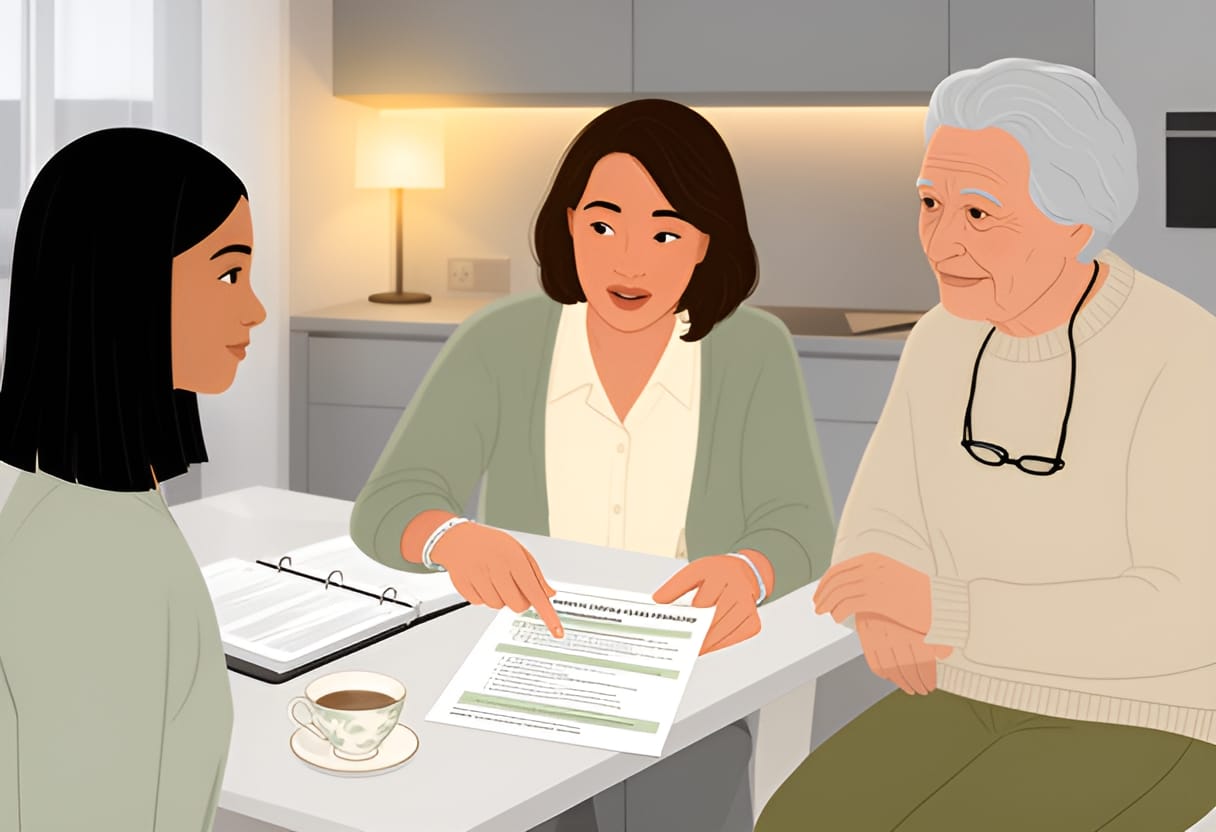
The sheet began with Claire’s identifying information and her designated healthcare proxy—her daughter Sophie—with Marc listed as the alternate. It then outlined her treatment preferences in clear, simple language, avoiding medical jargon where possible.
Illustration
A one-page advance care planning sheet titled "Claire Moreau – Future Care Wishes." Sections include: Personal Information (name, DOB, address), Healthcare Proxy (Sophie Moreau, 555-0123; Alternate: Marc Moreau), Treatment Preferences (Comfort-focused care preferred; no intubation or prolonged ventilation if recovery unlikely; artificial nutrition only if temporary and reversible; pain and symptom management prioritized), Do Not Resuscitate (DNR) Status: Not currently in place; to be discussed with physician, and Signature lines for Claire, Sophie, and Date.
Sophie explained that while this sheet wasn’t a legal substitute for a signed advance directive, it served as a vital communication tool. In an emergency, it could guide initial conversations while the formal documents were being located. She also noted that Claire had discussed her preferences with her cardiologist, Dr. Benoit, who agreed to document them in her electronic health record and provide a copy of the state-approved advance directive form for signing.
The family agreed to review this sheet every six months—or after any significant health change—and update it as needed. Claire expressed relief at having her wishes recorded. “Now if something happens, they won’t have to wonder what I’d want,” she said. “They’ll just have to look.”
As they closed the binder that evening, Marc placed his hand over Sophie’s. “It’s not easy to talk about,” he admitted. “But I feel… lighter. Like we’ve done something important.” Claire smiled, her eyes meeting Léa’s across the table. “You’re teaching them well,” she whispered. “To care—not just for bodies, but for people.”
Sustaining the System and Next Steps
The kitchen light cast a warm glow over the binder as Sophie flipped to the back pocket where they kept their habit tracker. Six months had passed since that first frantic search for Léa’s vaccination card, and the grid now showed a pattern of consistency—check marks clustered around medication times, symptom logs filled most evenings, and the quarterly review dates circled in blue. Marc traced a finger over the page, noting how Noah’s peak flow readings had stabilized since they began tracking them alongside his inhaler use. Claire’s blood pressure log, once sporadic, now showed a steady trend she could discuss confidently with Dr. Benoit.
The system had become less a project and more a rhythm—a quiet assurance that information was where it should be when it was needed. Yet sustaining it required intention, not just habit. The family gathered one Sunday afternoon to reflect on what was working, what needed adjusting, and how to keep the binder alive as their lives evolved.
Signs Your System Is Working
Effective health organization isn’t measured by perfection but by tangible shifts in daily life. The Moreau family identified three clear indicators that their VitaSavoir binder had moved beyond paperwork into practical resilience.
First, reduced friction during routine care. Before the binder, Sophie often spent ten minutes at the pharmacy verifying Claire’s medications or calling the clinic to confirm Léa’s last tetanus shot. Now, when Claire needed a refill on her atorvastatin, Sophie pulled the Medications section, confirmed the dosage and prescribing doctor, and had the prescription sent in under two minutes. The time saved wasn’t just convenient—it reduced the cognitive load that often led to missed doses or delayed care.
Second, increased confidence during unexpected events. When Noah woke with a tight chest one winter morning, Marc didn’t panic. He opened Noah’s section, reviewed the asthma action plan, checked the peak flow meter log from the past week, and administered the rescue inhaler according to the prescribed steps. The binder turned a potentially frightening moment into a practiced response. Later, when the pediatrician asked about frequency and triggers, Noah’s log provided clear data, avoiding guesswork.
Third, shared ownership across generations. Léa began updating her own mood log without prompting, using the color-coded pens Sophie had provided. Noah took responsibility for packing his inhaler before soccer practice, checking the emergency checklist in his section first. Even Claire, initially hesitant about the “medical paperwork,” started reminding Marc to log his morning heart rate and would ask to see the wellness tracker when she felt unusually fatigued. The system had stopped being Sophie’s project and become a family language.
| Indicator | What It Looks Like | Why It Matters |
|---|---|---|
| Reduced routine friction | Quick access to medications, vaccination dates, or symptom trends during clinic visits or pharmacy calls | Saves time, reduces errors, lowers stress during everyday interactions |
| Increased confidence in surprises | Ability to act decisively during symptom changes or minor crises using logged data and action plans | Prevents escalation, supports timely decisions, builds trust in self-care |
| Shared ownership | Children and elders independently contributing to logs, checklists, or reviews | Ensures sustainability, builds health literacy, distributes caregiving mental load |
These signs weren’t abstract ideals—they were visible in the way the family now paused less, spoke more clearly with providers, and felt a quiet readiness settle over their days.
Scheduling Quarterly Reviews
A health organizer only remains useful if it reflects current reality. Medications change, schools update forms, and emergency contacts shift. The Moreau family instituted a simple rhythm: a 30-minute review at the start of each season, tied to existing routines like changing smoke detector batteries or scheduling dental cleanings.
Their quarterly process had four steps. First, archive outdated materials. Sophie moved completed symptom logs, old insurance explanations of benefits, and expired vaccination records into a labeled accordion file stored with the binder—keeping the active sections lean but preserving history for future reference. Second, refresh templates. They printed new habit tracker grids, updated the emergency contact sheet with any new numbers (like Léa’s middle school nurse), and replaced worn dividers. Third, verify critical data. Marc cross-checked Claire’s medication list against her pillbox, Noah confirmed his inhaler expiration date, and Léa reviewed her upcoming HPV vaccine schedule. Fourth, set intentions for the coming months. They discussed upcoming transitions—Claire’s annual cardiology visit, Noah’s soccer season, Léa’s school trip—and added relevant prompts to their pre-transition checklist.
When Claire’s apixaban dosage changed after a follow-up with Dr. Benoit in January, the update happened during their first-quarter review. Sophie adjusted the Medications section, added a note to the emergency health sheet, and reminded Marc to monitor for any signs of bruising. By building review into their calendar, they avoided the scramble of discovering outdated information during a crisis.
Adapting for Special Circumstances
The VitaSavoir framework was designed to flex. Over the next six months, the family imagined how it might serve different households—each with unique rhythms and challenges—and noted five key adaptations.
For families fostering or adopting children, the binder became a tool for continuity. One section tracked the child’s known medical history from placement documents, while another logged new observations—sleep patterns, dietary reactions, or behavioral trends—to share with caseworkers and pediatricians. Foster parents used the appointment log to manage frequent therapy visits and the wellness tracker to note adjustments in mood or attachment, creating a comprehensive picture that supported both care and advocacy.
In households managing chronic illness, such as diabetes or epilepsy, the binder’s strength lay in pattern recognition. A family tracking a child’s seizures might add columns for sleep quality, screen time, and stress levels to their symptom log, revealing triggers over time. Medication sections included space for side effect logs, and emergency sheets detailed rescue protocols—like glucagon administration or vagus nerve stimulator use—ensuring caregivers could act swiftly and accurately.
For multigenerational homes caring for elders with cognitive changes, the binder supported dignity and safety. Photos with names helped visiting caregivers recognize family members, while a “Daily Rhythm” section noted preferred meal times, bathing routines, and calming techniques. The emergency sheet included specifics like “responds best to a calm voice” or “uses a walker but resists help,” guiding responders during moments of confusion. Regular reviews allowed updates as abilities shifted, keeping the information respectful and current.
Families navigating mental health challenges found value in normalizing tracking. A teen’s section might include a mood journal alongside medication logs for SSRIs, with notes on therapy attendance and coping strategy use. Parents used the wellness tracker to monitor their own stress levels, recognizing when they needed respite. The emergency sheet listed crisis line numbers and outlined signs that warranted urgent psychiatric evaluation—turning the binder into a bridge between everyday wellness and acute care needs.
Finally, households with mixed immigration status or language barriers adapted the system for accessibility. Key sections were translated into the family’s primary language, using simple terms and icons—like a pill for medications or a phone for emergency contacts. The emergency sheet included both English and the home language, ensuring clarity during urgent interactions with schools or clinics. Vital documents like vaccination records were stored in both original and translated forms, reducing delays when proof was required.
| Circumstance | Key Adaptation | Example Use |
|---|---|---|
| Fostering/Adoption | Track placement history and new observations | Logging dietary changes to discuss with caseworker |
| Chronic Illness | Add symptom triggers and side effect logs | Monitoring joint pain alongside biologic medication |
| Elders with Cognitive Changes | Include daily routines and responder guidance | Noting “prefers showers before breakfast” for caregivers |
| Mental Health | Integrate mood, therapy, and crisis resources | Logging CBT practice days alongside antidepressant use |
| Language/Immigration Barriers | Bilingual sheets and icon-based labeling | Emergency sheet in Spanish and English with visual cues |
These adaptations showed that the system’s power wasn’t in rigid forms but in its ability to hold what mattered most to each family—whether that was a child’s first fever log, an elder’s advance wishes, or a parent’s hard-won peace of mind.
Try This
This week, take three small steps to begin or renew your family’s health organizer:
- Gather your core materials: Choose a binder, divider tabs, and clear sleeves. If you already have a system, set aside 15 minutes to tidy it—remove outdated papers and test that your pens work in the sleeves.
- Create your first emergency health sheet: On one page, list current medications, allergies, chronic conditions, emergency contacts, and the location of rescue items like inhalers or epinephrine. Keep it in the front pocket for quick access.
- Schedule your first review: Pick a date within the next 30 days—perhaps a Sunday afternoon or a weekday evening—and mark it as your “Quarterly Prep.” Set a repeating reminder for every three months after.
These actions turn intention into practice, laying the foundation for a system that grows with your family.
Key Takeaways
- A working health organizer reduces daily friction, builds confidence during surprises, and invites shared ownership across generations.
- Quarterly reviews keep the system current by archiving old data, refreshing templates, verifying critical information, and setting near-term intentions.
- The VitaSavoir framework adapts to fostering, chronic illness, elder care, mental health, and language barriers by focusing on what each family needs to track, communicate, and prepare for.
- Launch your system in 30 days: gather core materials, create an emergency health sheet, and schedule your first quarterly review.
- Treating health organization as an act of love transforms preparedness into connection—protecting not just medical data, but the well-being of those who rely on it.